Longer term view of tunnels required from government, SIC depute leader says

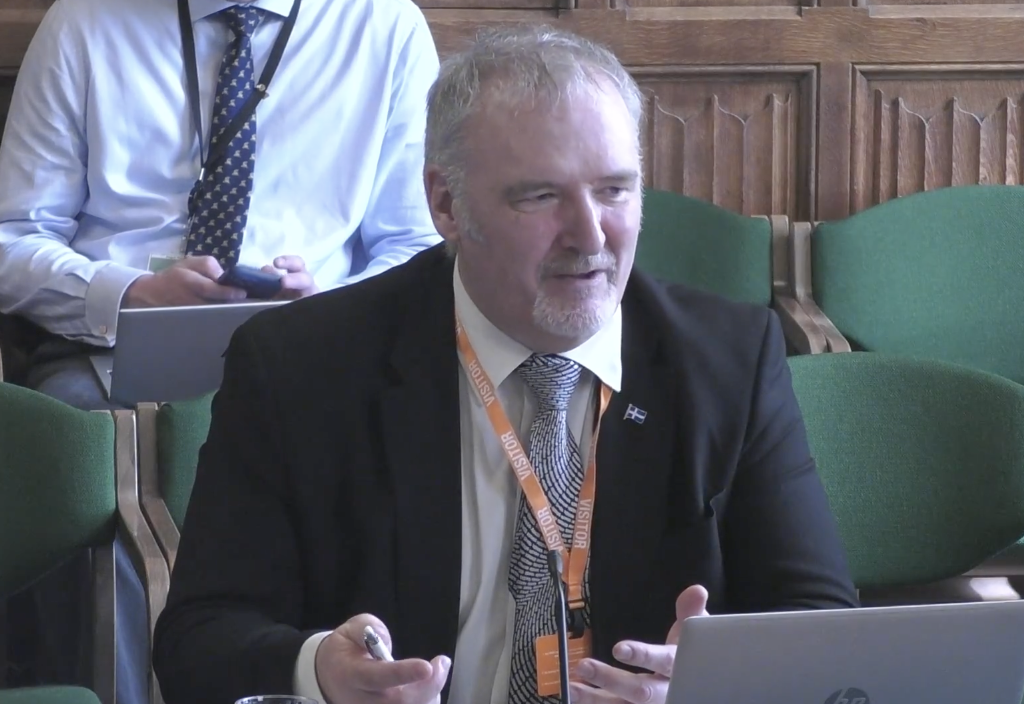
SHETLAND Islands Council depute leader Gary Robinson has encouraged governments to look “long term” at projects like tunnels in Shetland.
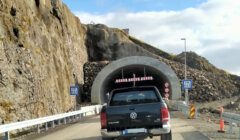
He told a meeting of Westminster’s Scottish Affairs Committee this morning (Wednesday) that tunnels would pay off over the years, but the finance background to their construction “probably needs a reshaping of how funding for government and council works”.
“If we can think about this long term, the benefits are there for everyone – whether it’s the UK Government Scottish Government or indeed the council, to have an asset that you don’t have to replace every 25 years,” Robinson said.
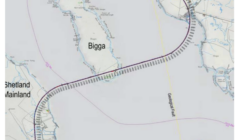
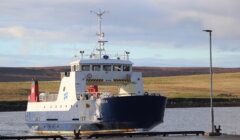
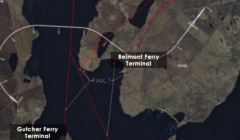
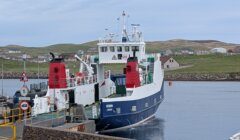
It also comes as a wider review of Shetland’s inter-island transport needs looks at potential tunnels to Yell, Unst, Whalsay and Bressay, as well as ferry replacements on other routes.
























An outline business case is set to be presented to councillors at the end of June.
There has also been work undertaken on modelling a possible tunnel to Yell.
Robinson was speaking at a meeting of the Scottish Affairs Committee as part of its inquiry into fixed links in Scotland, with the leaders of the Orkney and Western Isles councils also in attendance.
While there is a political desire for tunnels within the SIC chamber, how they could be financed remains the key question.
Support from governments has been suggested, and the three island councils wrote to the Scottish Affairs Committee encouraging MPs to recommend that the UK Government be involved in future SIC tunnel projects.
Speaking at Wednesday’s meeting, Robinson said three companies who are experienced with tunnel building have now come back with estimated costs of building a tunnel to Yell.
Help keep Shetland’s news open to everyone

Good local journalism takes time, care and people on the ground. Membership helps us keep reporting the stories that matter to Shetland — and keep them free for everyone to read. Members get a weekly newsletter created especially for them, local ads only, and can bookmark stories and join the conversation in the comments.
He said he was unable to provide details at this stage, but they will be featured in June’s report to councillors.
Robinson highlighted that ferries come with significant costs over time, not least in replacements and port infrastructure, but also in maintenance.
He said the challenge of tunnels is the upfront cost, but their benefit probably extends “well over 100 years”.
Robinson also told MPs that tunnels in Norway or Faroe have been backed by government, with the council here not having the capacity to borrow the significant amounts needed.
The SIC depute leader said the UK Government providing nearly £27 million for a new Fair Isle ferry, which is currently being built, has set a “precedent” of Westminster being able to support Scottish transport, which is a devolved matter.
The SIC councillor continued by saying that even the UK Government saying it supports fixed links in Shetland would be a step in the right direction – but funding, obviously, would be the hope.
Robinson began his evidence by highlighting Unst’s SaxaVord Spaceport as well as fishing and aquaculture, which also have a strong presence in Yell and Unst.
He noted that fish produce, which needs to be transported to the Shetland mainland before potential onward travel to the UK and beyond, is time sensitive – meaning reliable connections are vital.
Robinson also said some hauliers have reported lorries having to stay in Unst, for example, due to a lack of capacity on the ferry.
He told MPs that he feels island culture would be safe even in the advent of fixed links.
Robinson said despite the arrival of the oil industry in the 1970s, much of Shetland’s cultural hallmarks have been maintained, such as knitwear, fishing and tourism.
He also pointed to population increases in the islands of Trondra and Burra as examples of how fixed links – in this case bridges – can be beneficial to communities.
MPs were told that in the 40 years prior to the Trondra bridge, the population decreased from 91 to 17.
In the 40 years after the bridge, it rose to 135.
For Burra the population has risen from 565 to around 850, Robinson added.
The SIC councillor was also asked about the idea of using Shetland Charitable Trust funds for tunnels, or community benefit money from the Viking wind farm.
He said the charitable trust, which holds historic oil funds and has reserves of more than £400 million, is a charity.
The charities regulator looks upon infrastructure as council or government responsibility, Robinson added.
He also said the £2 million per year Viking community fund is not of the scale to invest in fixed links.
The UK Government’s Department for Transport (DfT) responded to the inquiry in writing by saying that the Scottish Government is “responsible for assessing the viability and potential return on investment for fixed-link infrastructure projects in Scotland’s island communities”.
“The UK Government’s role in such projects is limited, but we work closely with the Scottish Government and Transport Scotland to ensure that reserved policy areas and wider UK objectives are aligned,” it added.
“Any involvement from DfT therefore tends to focus on collaboration, capacity building and the sharing of best practice, where appropriate.
“Historically, any UK Government financial contributions have generally been made through UK-wide programmes – such as the Levelling Up Fund or the UK Shared Prosperity Fund – rather than direct funding for individual schemes.
“Where relevant, future support would follow similar principles, respecting devolved responsibilities while promoting connectivity and economic growth across the UK.”
Keep Shetland’s news open to everyone
Your membership helps us report the stories that matter to Shetland — and keep them free for everyone to read.