

‘I remember it like it was yesterday’: 20 years since Sakchai’s deportation fight
It was two decades to the day that Sakchai Makhao was taken from his home in Lerwick by immigration officials and threatened with deportation to Thailand. As we look back on the case 20 years on, it remains clear that at the heart of the story was Shetland’s well-known community spirit

“I can remember it like yesterday. I don’t think you ever forget it, to be honest.”
It was 20 years ago to the day that Sakchai Makhao was awoken from his sleep by immigration officials in his Lerwick bedroom and threatened with deportation back to his native Thailand.
Disorientated and “half-asleep”, he was flown to the UK mainland where he ended up in the maximum security prison in Durham with only days left to appeal.
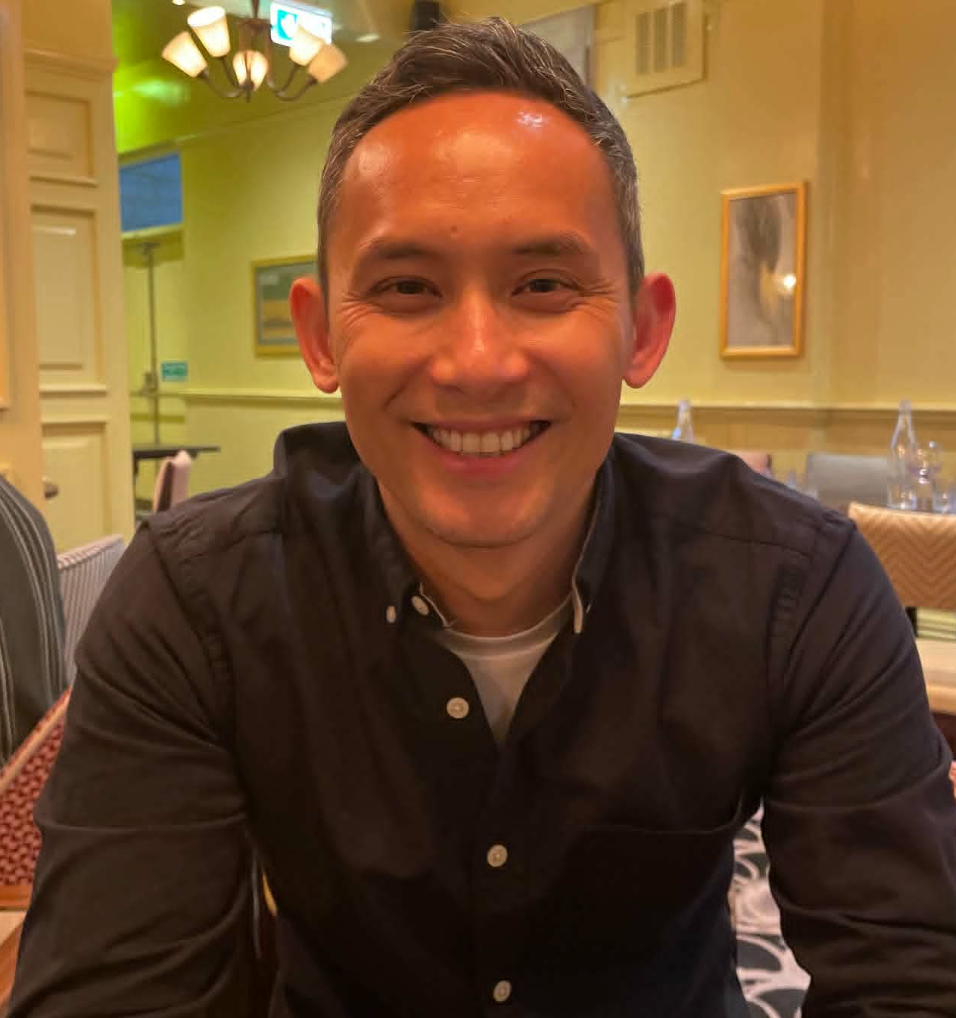
“Getting woken up at six o’clock in the morning with like eight-plus officers coming into your house was quite surreal,” the 43-year-old recalled two decades later down the phone line from Edinburgh, where he now lives.
Amid the confusion and fear, it emerged that Makhao had been targeted because he had a criminal record and was not a British citizen.


























But backed by a significant community campaign, the case went to an appeal in court where Makhao won the right to stay in the UK.
It was a tale of politics, community strength and human emotion that thrust the island community of Shetland into the national news spotlight.
It was on Tuesday 6 June 2006 when Makhao – who has a Thai passport, with indefinite leave to remain in the UK – was taken from his home on Haldane Burgess Crescent by immigration officials and police, despite having lived in the country since around 1993.
He was whisked off to Sumburgh Airport, where he sent a text to friends that said he loved them, and would always miss them.
From there it was on to Aberdeen, then Glasgow and then North Shields, where the then 23-year-old was detained in a high security prison in Durham.
He had fallen foul of a UK Government move, overseen by then home secretary John Reid, to deport foreign nationals with a criminal record. Makhao had served eight months in prison for fire-raising in 2004 after a vehicle and a portacabin were set alight in Lerwick, in what was described during his court case as a “moment of madness” involving alcohol.
Reflecting back to being taken from Shetland, Makhao said it all happened “so quick”, leaving him with little time to think.
But there were plenty of questions and doubts swirling in his mind. “Why am I going to England, why did they leave it so long, maybe I deserve it – all that kind of stuff. I’ve done my time, is it fate? Everything kind of runs through your head.
“But once I got to North Shields, it’s Durham – a maximum security prison. Even the governor came and had a meeting with me, and he was like what are you doing in my prison? and I was like ‘I don’t know’.
“He was like, ‘I don’t know either’. It was scary obviously, because it was Durham. But I was well taken care of.
“I was in a cell with someone who was a lifer, but I was quite blessed – he was quite nice. It was quite surreal, for sure, and quite scary.”
Among those who received a text from Makhao before he left Sumburgh Airport were brothers Mikey and Richie Gardner, who he worked alongside at the Clickimin Leisure Complex as lifeguards.
Community campaign
Unknown to Makhao at the time, as he was being transported south the the seeds were quickly being sown for a community campaign which ended up capturing the hearts of thousands of people – not just in Shetland, but elsewhere in the world too.
Led by the Gardners’ dad Davie, the campaign honed in on the fact that Makhao had lived most of his life in Shetland, where he had stayed since the mid-1990s, and had re-established himself back in the community after his prison sentence.
He attended school in Brae and had developed into a talented athlete, competing in events on the mainland.
Davie Gardner said he had also spoken to Makhao from Sumburgh Airport after he was taken from Lerwick, with the 23-year-old telling him he did not know where he was being taken to.
“The whole thing was total confusion,” he said, when reflecting on the situation 20 years later.
With the Gardners trying to figure out what could be done, Davie began phoning local politicians Alistair Carmichael and Tavish Scott – “and it just started rolling from there”.
A petition against Makhao’s possible deportation quickly gained thousands of signatures, which was launched alongside a fundraiser for legal costs, and in the days prior to social media being the force it is now the campaigners also used internet forum Shetlink as a means to get the word out.
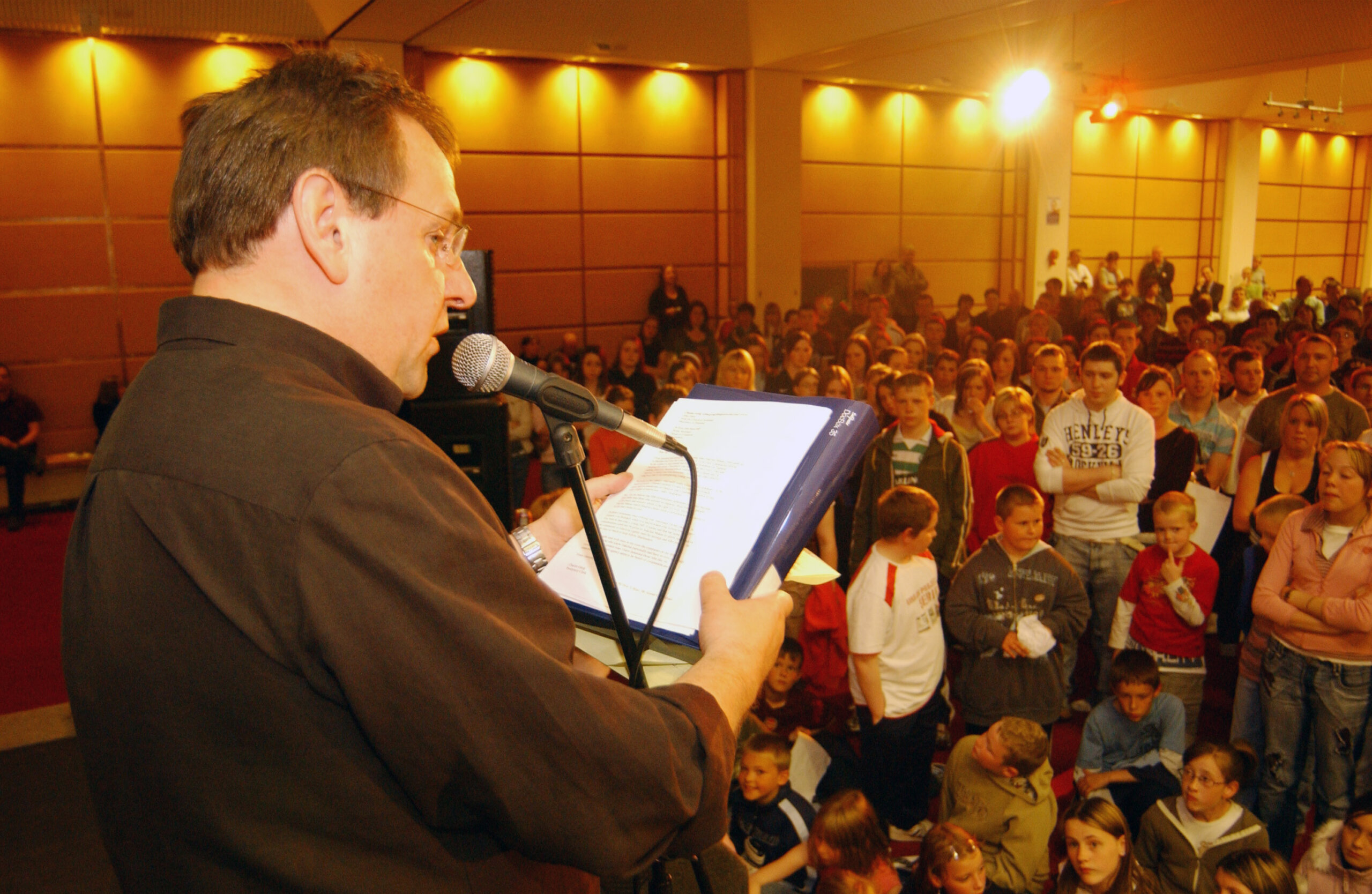
On 6 June, the day Makhao was taken from his home, Gardner took to Shetlink to raise his plight. “Sakchai is Shetland through and through – he even represented us at the Island Games last year,” he wrote, “I/we simply refuse to sit back and allow this to happen.”
Posts on Shetlink snowballed as the campaign grew, with founder Bryan Peterson saying there were “tens of thousands” of people on the forum at the time – including MPs and news reporters – as the messageboard became a key source of information.
“There were four of us that were moderators, and there were so many comments coming in that we had to work shifts, 24 hours a day, to always make sure there was always a moderator there,” he said. “There were hundreds of messages every hour.”
There were even moments when the website was subject to cyber attacks. “The Shetlink team were proud to have been able to help in some way, just by existing and providing channels,” Peterson said.
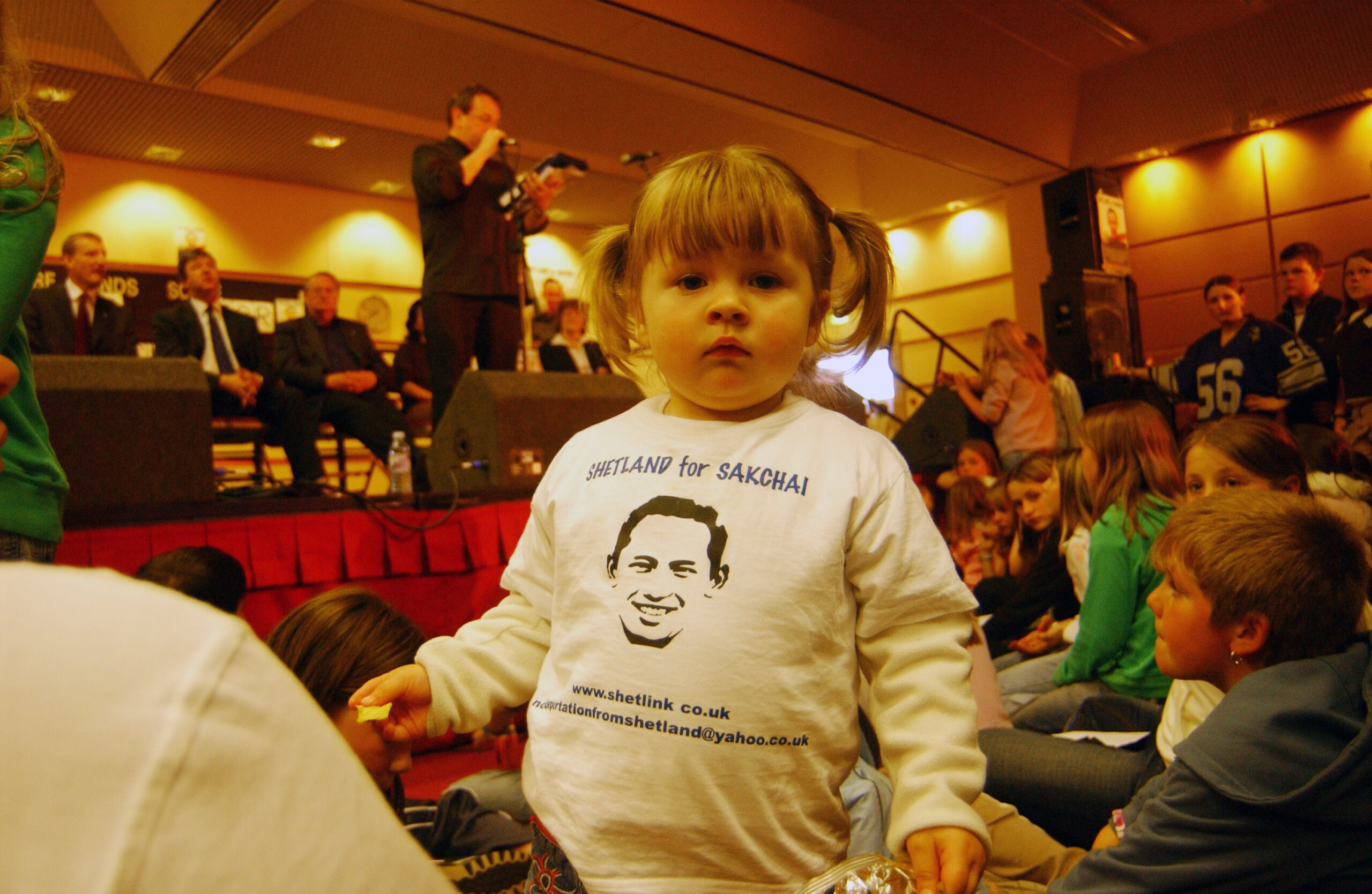
Outside of the online world, one of the key moments in the campaign was a rally held in the bowls hall at the Clickimin, which was attended by around 800 people, including Makhao’s mother and sister.
“That made us realise then that we probably had our strongest tool of all in this battle – and that was the support of the community,” Gardner reflected. The campaign was also felt outside the isles, with a protest held out the Scottish Parliament in Edinburgh.
But Makhao said he was initially unaware of all that was going on back home as he had no means of contacting anyone after arriving in prison.
“Then one day I got a knock on the cell, and they were like, ‘you’ve got a visitor’,” he recalled.
Expecting it to be family, he was confused to see it was a “young lady with a suit”.
It was a lawyer Alex Bartrope, organised from the outside. She asked him if he knew about the petition and the campaign, and he said no; she asked him if he had received letters in prison, and he said no.
“It was quite surprising,” Makhao said as he recalled being told about the community campaign.
‘Heartwarming’
“I didn’t think that was something that was possible. I know it was high profile in Shetland, but I didn’t think it would be something that people would actually do [for me] and rally and these kind of things. It was heartwarming.”
He admits he started to question what he had done to “deserve this love from Shetland”.
“It also gave me hope, and it also, it felt like if it doesn’t go to plan, it’s going to hurt even more.
“But from then on I basically got hundreds of letters of support, and from then it was just replying to letters, reading the letters, reading the articles, to just catch up.”
It also quickly emerged that Makhao had the support of his employer Shetland Recreational Trust (SRT), with the leadership of the charity at the time appearing to go above and beyond in supporting the lifeguard while his future was in the balance.
The trust had already taken Makhao back into the fold after his prison term for fire-raising, and they were ready to back him again.
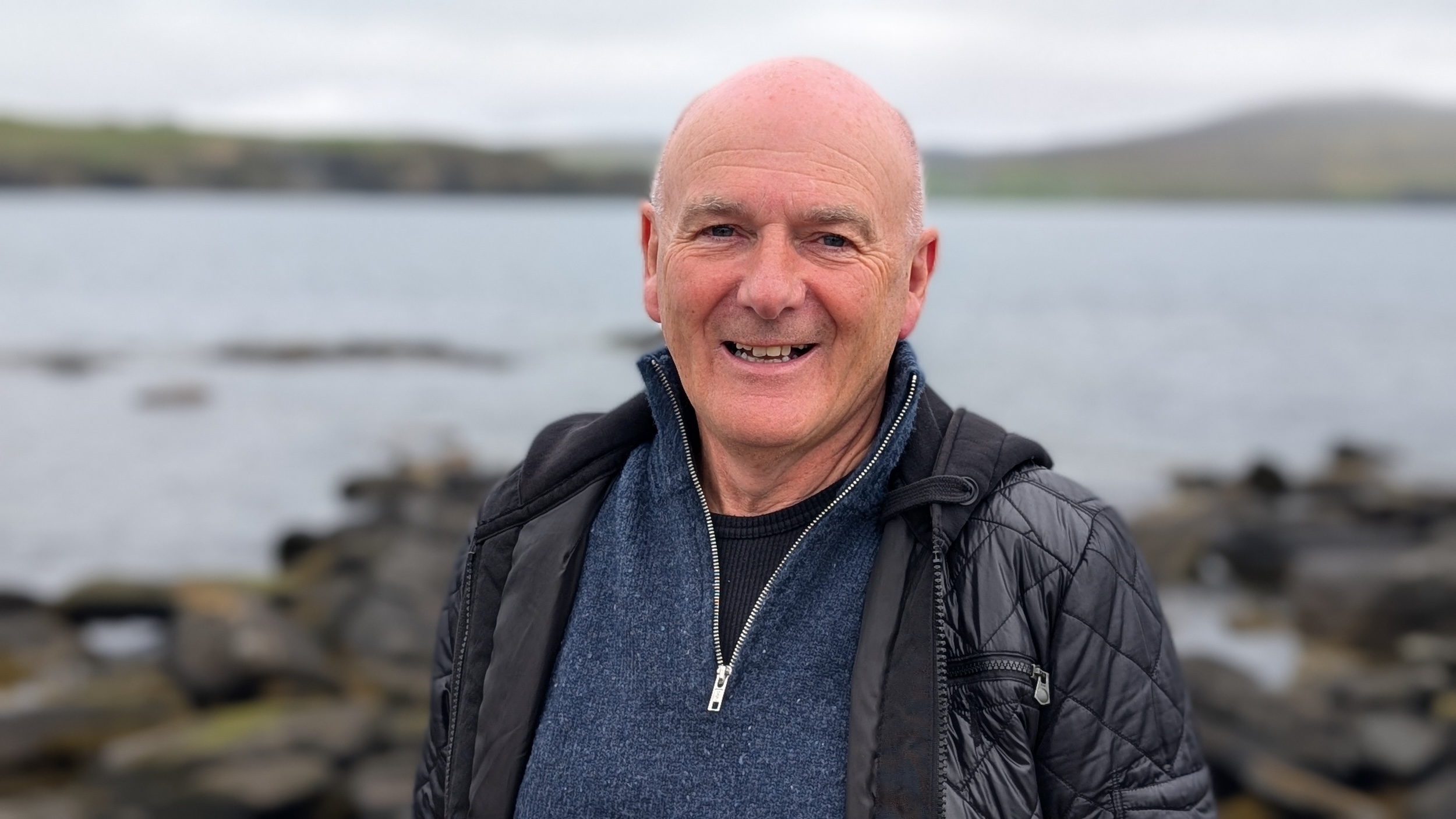
Chief executive of the trust back then was James Johnston. Reflecting on the situation some twenty years later, he said SRT trustees agreed that any legal costs would be underwritten by the organisation – with Johnston then quickly packing his own bags and travelling to the mainland to support Makhao.
Before he left Sumburgh Airport on the plane south, Makhao phoned the SRT to tell them he would not be at work – “how many other folk would have done that in the circumstances?”, Johnston said.
The ex-SRT chief ended up being in Newcastle for around two weeks as moves were made to try to get Makhao released on bail while an appeal was being worked on.
Arranging contact was difficult, however, and during this time he was only able to visit him once in the Durham prison. “I’ve never been in a prison before, so I’m not sure who was more anxious, whether it was me or Sakchai,” he recalled. “When I finally got in to see him, his infectious smile was there.”
To much relief, Makhao was released on bail from Durham after about two weeks behind bars – but a court hearing on the appeal against deportation still loomed on the horizon.
Johnston said both he and the late Joe Irvine, the then-SRT chairman who had also been Makhao’s headteacher at Brae, were present for the bail hearing, and both gave personal financial surety to enable his release. Makhao also said the pair stumped up for a suit and clothes.
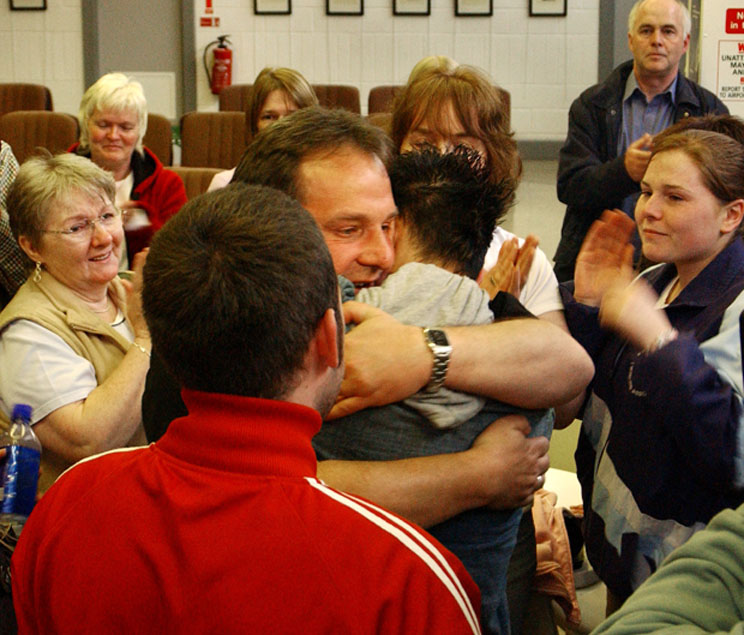
“It wasn’t the trust’s bank account, it was my bank account, and Joe’s bank account,” Johnston said. “Although it was scary, we didn’t have any hesitation.”
After he was bailed from prison, Irvine asked Makhao where he wanted to go to eat, having been locked up behind bars for a fortnight.
“He was thinking we were going to a lavish restaurant,” Johnston said with a smile. “But Sakchai was really excited about going to KFC.”
And the next day, before flying from Newcastle to Aberdeen, the SRT pair had a “terrifying” moment in the airport as they waited to board the plane.
“Joe looked at me and said ‘where’s Sakchai?’” Johnston said, alluding to the fact that he was on bail under strict conditions not to abscond.
“Anybody seeing us must have seen the look of horror on our face. And then we were thinking, what are we going to do? Then running towards us smiling was Sakchai, and he said ‘sorry boys, I just had to nip to the toilet’.”
“There wasn’t much sleeping,” Makhao said as he reflected on his return to Shetland on bail, where he was greeted by supporters and media at Sumburgh Airport.
Publicity
“There was a lot of rallying, a lot of getting up early morning doing press. It was a lot. But at the same time it was more and more hopeful, just because there was so many people helping, so much positive things going out.”
Gardner, however, said the campaign had some detractors, including in some early right-wing media coverage and also anonymous accounts on Shetlink, which unearthed an unsavoury underbelly.
“We had everything from death threats and horrible phone calls, to folk that wanted to see him deported,” Gardner said.
“I mind being on Radio Scotland and one caller got through that basically said to me ‘we have your name, we know where you live’. We were living with a lot of that kind of stuff.”
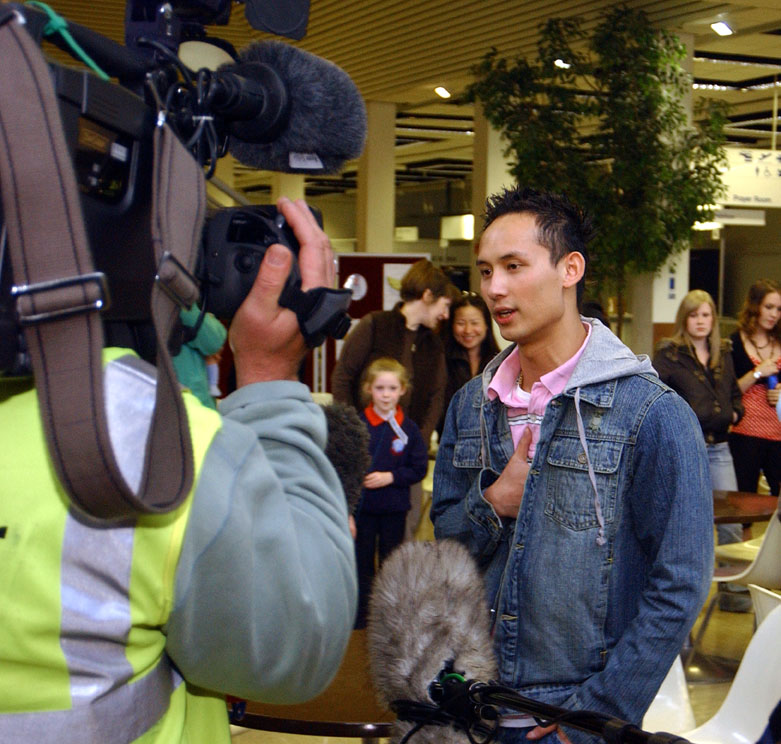
But Gardner said any sceptical Scottish press, including the Daily Mail, began to change their tune over time – and appeared to agree with the view that Makhao was not the type of profile that merited deportation under the government policy.
And the publicity around of the case blew up in size after a live broadcast from the Clickimin among another rally of local folk on ITV’s flagship morning show GMTV, which Gardner described as a “stroke of luck”.
Another important cog in the campaign was Northern Isles MP Alistair Carmichael, who leaned on his past experience as a lawyer to help fight Makhao’s corner.
But he said trying to make contact with Makhao after he was taken away was “next to impossible”.
“I spent half the day on the phone going around different helplines that didn’t help, and hotlines that weren’t very hot,” Carmichael added, as he called prisons and detention centres to establish where Makhao was being taken to.
The MP – who gained cross-party support in parliament for the cause – said that the usual legal process was a “world of difference” from what Makhao experienced – starting your day in Shetland and being taken from home, and effectively “disappearing”.
He also described the community campaign as a “quite remarkable whirlwind”. For Carmichael, who spent time between Shetland, Orkney and London, the air miles soon racked up.
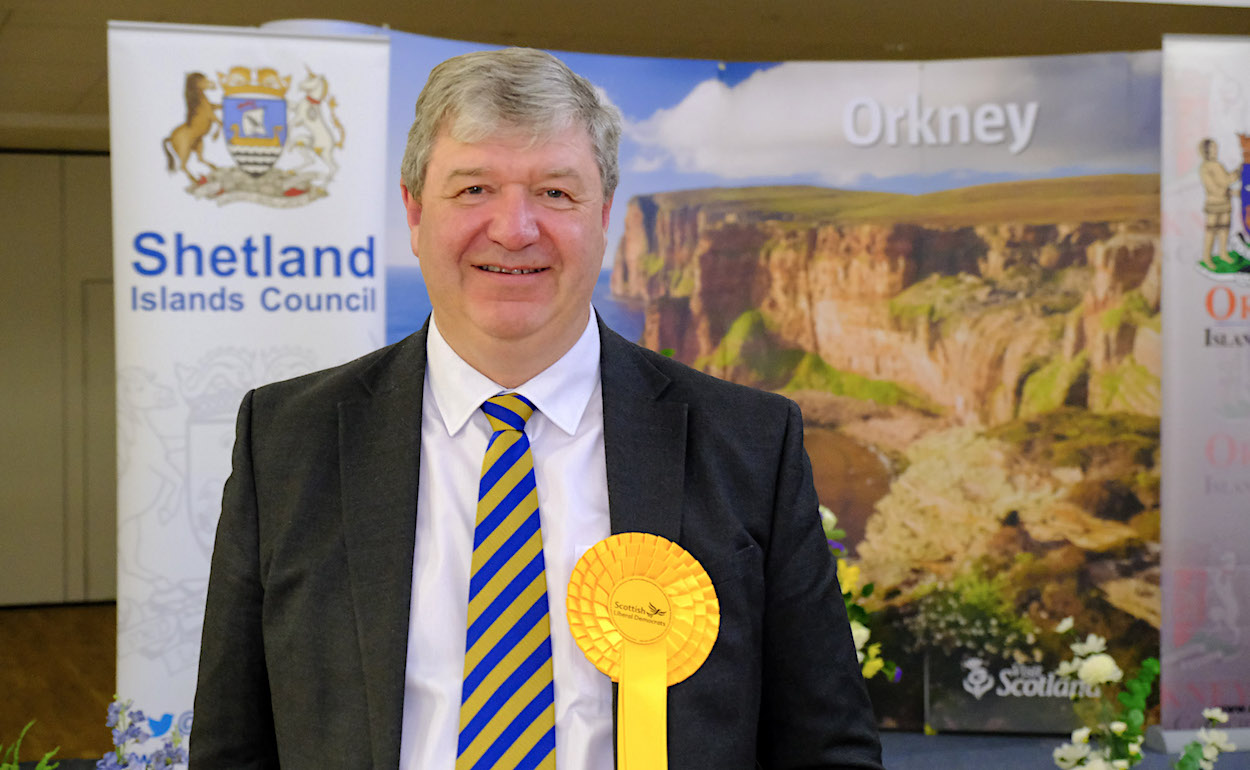
He recalled the week of the rally in the Clickimin, where he “basically flew the length of the country and back” four times.
“It was a moment where you said ‘right, we’ve just go to do this’ – and you didn’t spend time looking at the clock,” the MP added.
“It was actually quite energising, even though there were moments I was dead on my feet. But when you saw the mobilisation of support, it was almost something you could see happening. It was a like a rising wave.”
And so, to the all-important court hearing to decide Makhao’s fate, held in North Shields in early July 2006 – around one month after being taken from his home in Lerwick. It was up to a judge to determine whether he would be sent to Thailand, where he had not lived since he was a young boy.
The simple advice he was given from his lawyer was that “there is a chance that we could win, and there’s also a chance that we can’t – it’s something you need to make peace with”.
“When we got to the hearing at the court, it was quite scary, I’m not going to lie,” Makhao reflected.
But a fear that a key figure in the UK Government’s Home Office was going to attend did not materialise, giving the team renewed hope.
The court heard from both sides, with Carmichael among those giving evidence, and when Makhao and his lawyer returned from a break the verdict was quickly delivered.
“When we got back, when the judge said that I was clear and free to go home,” he said. “I honestly didn’t even register it at the time.
“I was like ‘what?’ and then I looked at my lawyer and she was like ‘we won’.
“I basically jumped on her and gave her a massive hug. That was the moment I can remember.”
Johnston and Irvine were there too, and they were also left surprised by the turn of events, with the case from the Home Office appearing to fall apart. “The judge immediately said he was going to agree the appeal, and Sakchai was free to go,” Johnston said.
“And we were looking at each other thinking ‘where did that come from?’.”
With the Gardners interwoven in the campaign from day one, it was a touch ironic that the family could not have been further away from the courtroom when the verdict was delivered.
They had a holiday to Australia already booked, with Davie having to be persuaded to join his family on the trip after initially being keen to stay in Shetland to fight the cause.
“We went, the four of us, and we were still working on the campaign,” Davie’s wife Arlene reflected. “We were up in the middle of the night, we were answering emails, answering calls.”
“It was absolutely non-stop, 16 hours a day,” Gardner added.
The family were in Tasmania on the day of the verdict, but they had a worry that Makhao would lose his case – particularly given there was a fear the government would come with to court with all guns blazing.
Again, it was another phone call in the middle of the night, at around 3am, that delivered the good news.
“We were absolutely euphoric, but we just couldn’t believe the government hadn’t come back and really gone for us,” Gardner said.
The view among the parties involved was that if it had not been for the team effort and the community campaign in Shetland, the story might have had a much different outcome. And on top of it all, it also scooped a major prize at the 2006 Scottish Politician of the Year Awards.
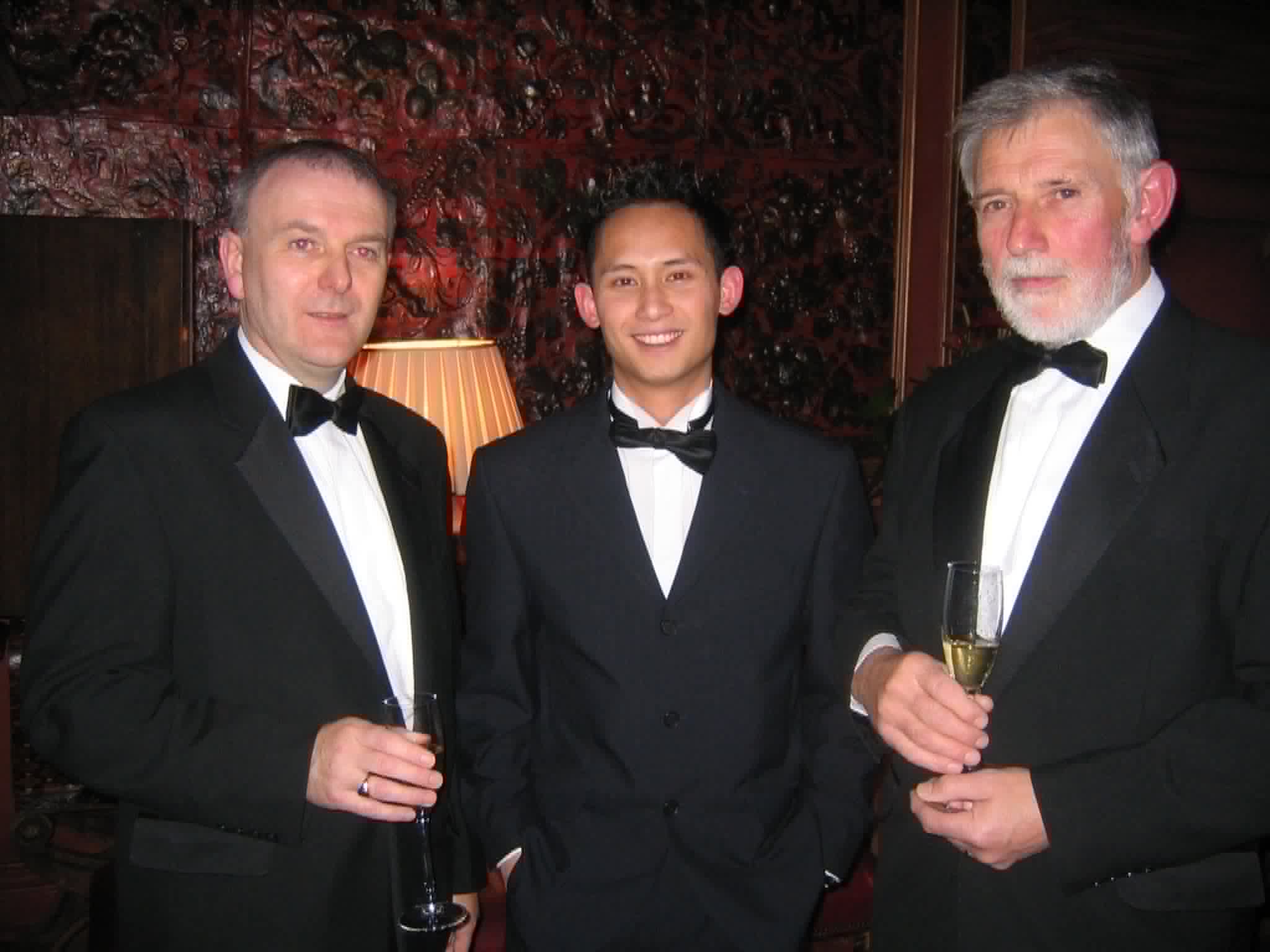
“I think it showed when the whole community worked together – you got Davie mobilising the community effort, Alistair Carmichael as the MP and his background as a lawyer, and then the whole thing about the trust, no hesitation at all, just acting on it,” Johnston said.
“Everybody had their part to play, and it just shows what can be done. You didn’t have a script to follow, you were making it up as you went along and trying just to do the right thing.”
And as Gardner sums it up – “the Shetland community won the day for us”.
Carmichael, however, had special words of praise for Gardner – the man who kicked things off when Makaho was taken from his home in Lerwick.
Recalling how Gardner had described himself as a “moothy bugger” at the Clickimin rally, the MP added:
“I said, when you go home tonight you can count yourself blessed that you are going home to your bed, when Sakchai is going to bed in a prison cell.
“But even at that, he should consider himself fortunate because he knew he had a moothy bugger like Davie Gardner on his side.”
Makhao first stayed in Drumchapel, in Glasgow, when he arrived with his family in the UK in 1993 – a “dangerous place” to stay, he said.
His mum knew people in Shetland, so decided to make the move north to live in a safer community.
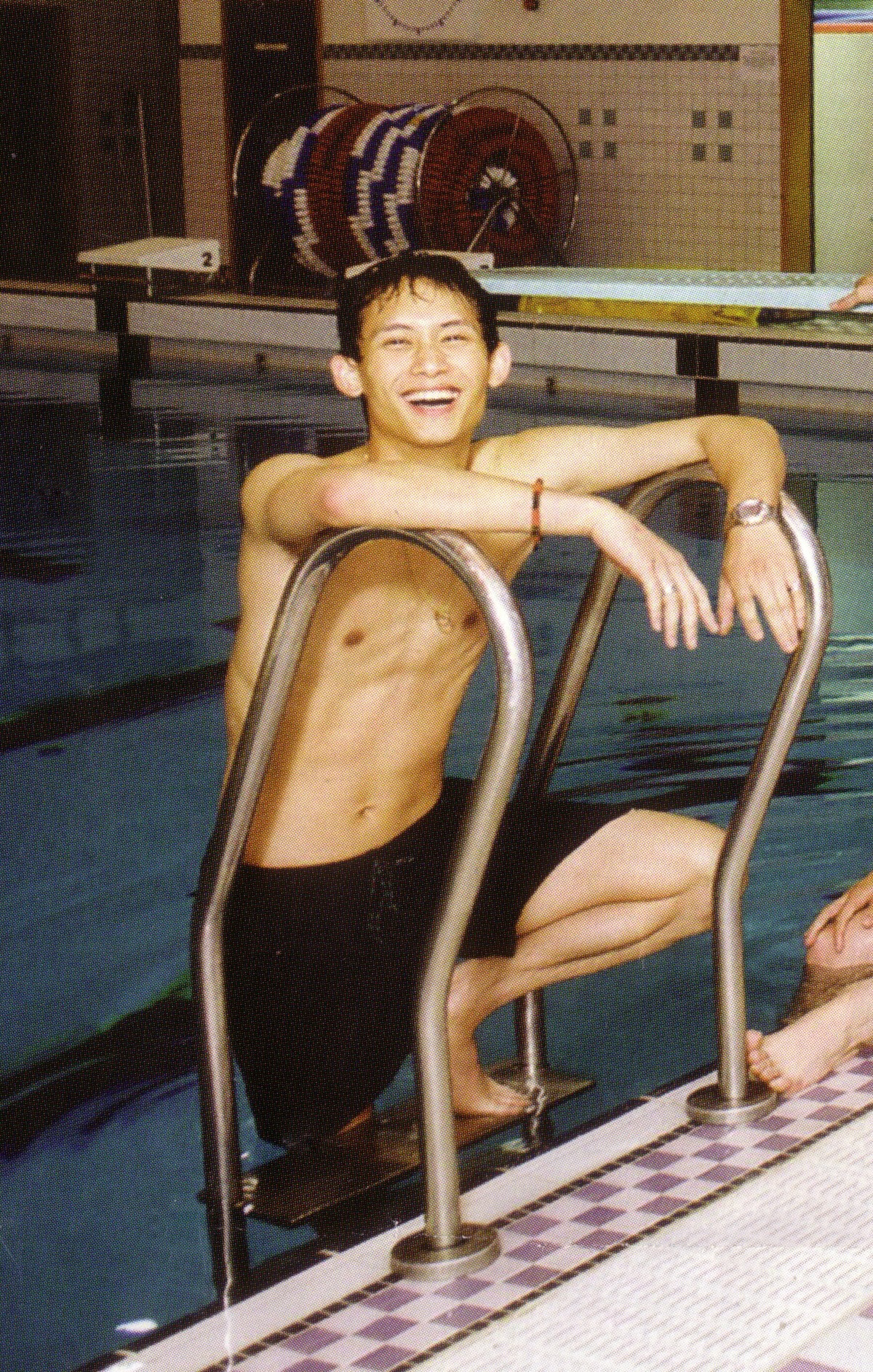
A different culture from his native Thailand, that is for sure – with the family moving to Shetland just in time for the infamous ‘big snow’ of 1995. It was the first time, in fact, that he and his sister had seen snow in person.
So does the deportation threat of 2006 still crop up in Makhao’s mind? “Every day,” he replies, without hesitation. “I still remember like it was yesterday.”
It may perhaps be on his mind even more so at the moment, considering he is currently going through the British citizenship process.
But he admits feeling guilty when he moved away from Shetland to Aberdeen in 2010, in a bid to further his employment prospects.
Makhao returned to work at the Clickimin after winning his deportation appeal, and after 20 years he is still in the swimming pool business, in Edinburgh. On the side, he also runs a food-themed TikTok account called ‘HungryThaiGuy’, which has racked up more than 11,000 followers.
The last time he was in Shetland, meanwhile, was in 2021 – coincidentally to be best man at Mikey Gardner’s wedding.
“I don’t think there’s anything that I could repay everyone that helped in Shetland,” he said.
“Prison and all that ordeal has changed me, I think. I wasn’t a bad kid. I was good, but I was naughty, do you know what I mean?
“I think prison and going through the deportation case really humbled me a lot – it calmed me down a lot, and I stopped hanging out with the same crew.
“It’s changed my perspective on life, for sure.”