

Almost 3,000 ferry sailings cancelled in two years as fixed links calls continue
Chloe Irvine reports on ongoing disruption to Shetland’s island communities

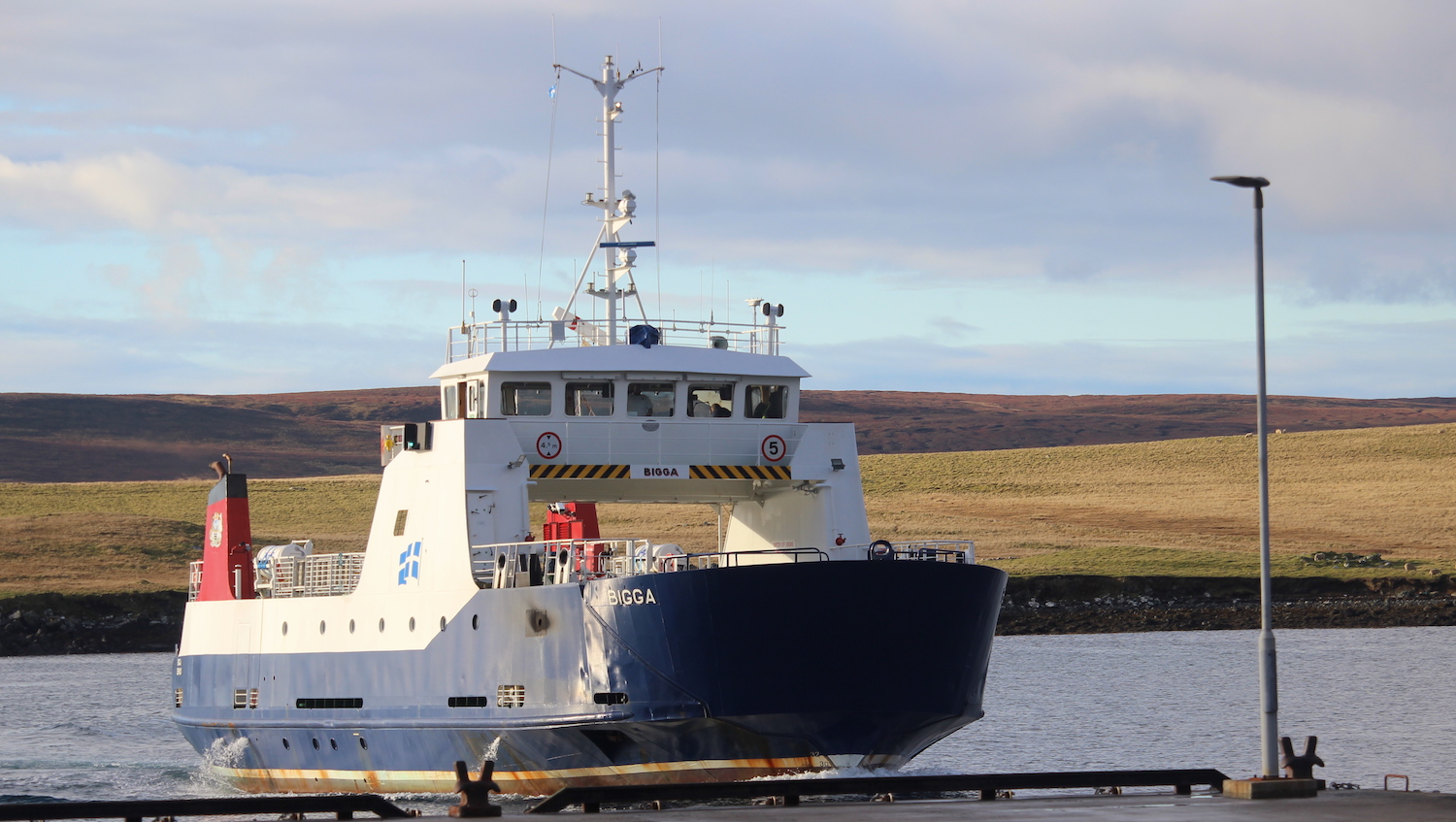
CALLS have been made for “reliable” fixed links to some of Shetland’s islands after figures showed almost 3,000 ferry sailings were cancelled in just two years, writes Chloe Irvine.
A freedom of information (FOl) request revealed that 2,845 inter-island ferry sailings were cancelled in 2024 and 2025 – affecting the Bluemull Sound, Yell, Whalsay, Skerries, Bressay, Fair Isle and Papa Stour routes.
While most cancellations were due to weather, almost a third resulted from crewing issues, vessel breakdowns, maintenance, or docking.
Yell recorded the highest number of cancellations caused by crewing issues, with 404 sailings failing to go ahead, while Bluemull Sound had 200.
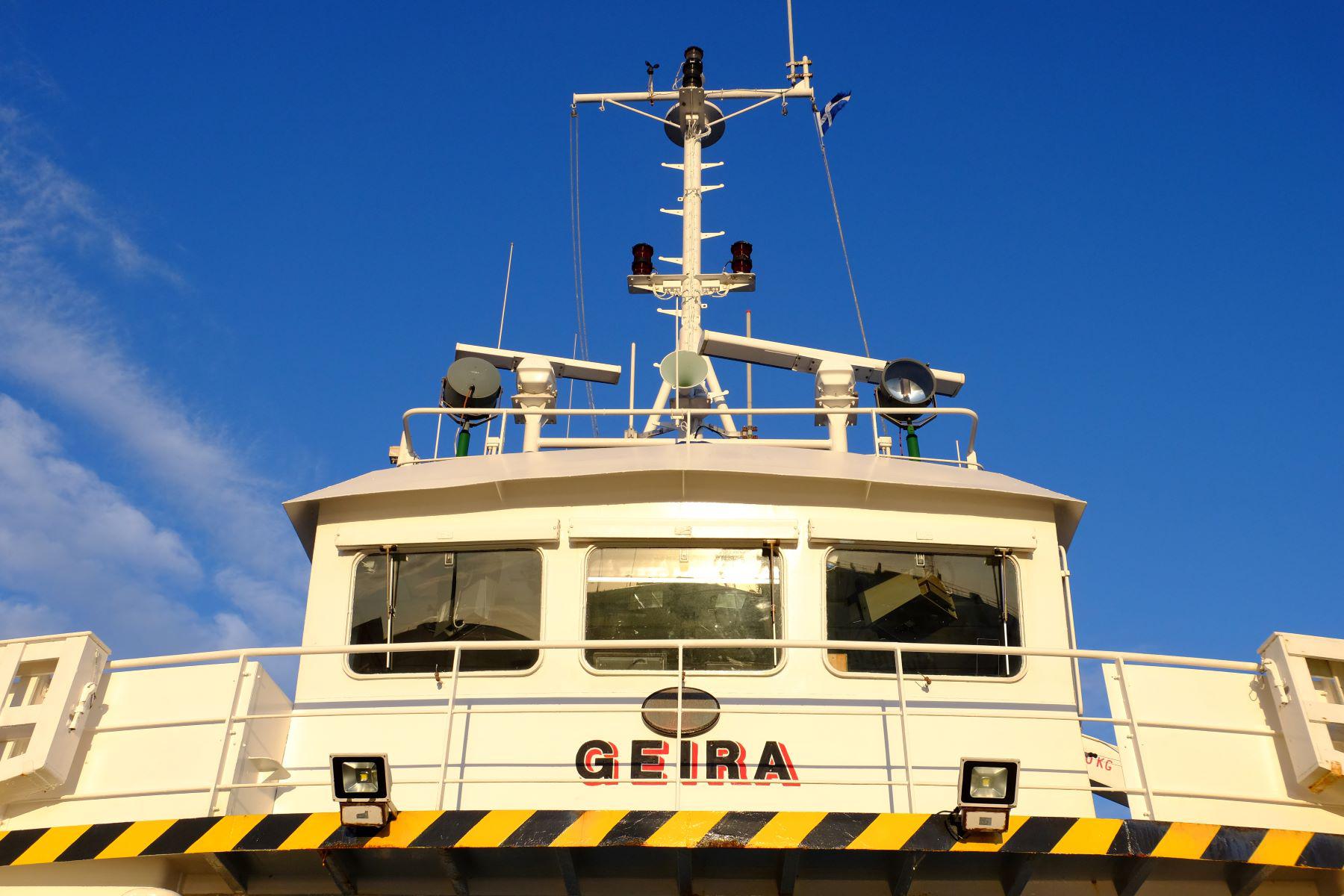
The majority of cancellations due to breakdowns, maintenance and docking occurred on the Bluemull Sound, totalling 271 – most of them in 2024, when a new engine had to be fitted on the Geira.
Whalsay had the second-highest number of cancellations in this category, with 44.
























Its service also experienced 153 terminal changes between Laxo and Vidlin during this period.
North Isles councillor Ryan Thomson said while these figures paint a “concerning picture”, they would be of “no surprise” to those who use the ferries on a regular basis.
“The high figure of cancellations, unrelated to weather, highlights the operational pressures and vulnerabilities that exist within the current ageing fleet,” he said.
Thomson stressed the fact that services across Whalsay, Bluemull Sound and Yell were reduced to a single vessel “so many times” demonstrates how “exposed” communities can become when mechanical issues, maintenance or docking requirements arise.
He said he also believed the figures further cemented the view that additional tonnage is needed as soon as possible.
It comes as the SIC plans to procure a new relief vessel for its fleet, using a £10 million inter-island connectivity grant from the Scottish Government.
Help keep Shetland’s news open to everyone

Good local journalism takes time, care and people on the ground. Membership helps us keep reporting the stories that matter to Shetland — and keep them free for everyone to read. Members get a weekly newsletter created especially for them, local ads only, and can bookmark stories and join the conversation in the comments.
Thomson added it was particularly notable, but again came as no surprise, that Bluemull Sound experienced the highest level of disruption, with Whalsay also recording “significant” figures.

“For residents, businesses, workers and those travelling for healthcare or family commitments, these are not simply statistics, they represent real disruption, uncertainty, and frustration,” he stressed.
Thomson added ferry services are “lifeline links” and that the FOI figures “reinforce the case for greater resilience within the network”.
This included sufficient vessel cover and contingency arrangements to minimise disruption where possible while “simultaneous work” continued around the longer term transport solutions.
Thomson said he had “no doubt” that those solutions for Whalsay, Unst and Yell are fixed links.
Tunnels to the three communities are under consideration as part of Shetland Islands Council’s ongoing inter-island connectivity project.
Elected members are set to decide at the end of the month on the options to take forward for eight of Shetland’s routes.
“These are not simply statistics, they represent real disruption, uncertainty, and frustration.” Ryan Thomson
Meanwhile Shetland MSP Hannah Mary Goodlad described the frequent cancellations as “disruptive” for both businesses and households.
She emphasised that reliable connectivity is “absolutely vital” for island communities – and in her view fixed links must form part of the solution.
“The operational responsibility of our inter-island ferries sits with Shetland Islands Council, but it is increasingly clear that, in my view as our islands’ new MSP, tunnels must be part of Shetland’s future connectivity landscape,” she said.
Goodlad described tunnels as more “reliable, safer, and more carbon-efficient” and said she is committed to working with the council, tunnel action groups and Northern Isles MP Alistair Carmichael to “progress this ambition”.
Carmichael meanwhile said the FOl figures confirmed that the inter-island ferry fleet is “ageing” and becoming “less resilient”.
He stressed that a long-term solution – including fixed links – is needed.

“Tunnels between our islands could be transformative and end, or massively reduce, this sort of disruption – amongst other potential benefits,” the MP said.
In the meantime, Carmichael said ferries would still be required for many years, particularly on routes where fixed links may not be “viable”.
He added both governments were responsible for improving inter-island transport.
“It is vital the Scottish Government plays its part in supporting ferry replacements where they are needed – just as both our governments need to play their part in advancing the case for tunnels.”
In response to the figures, SIC environment and transport chairwoman Moraig Lyall highlighted that sailing cancellations fell from 1,613 in 2024 to 1,232 in 2025, calling the reduction a “huge improvement”.
Crewing-related cancellations also dropped from 385 to 237, which she said reflected efforts to improve recruitment and retention through changes to crew terms such as shift patterns and victualling.
Lyall noted that replacing the Geira‘s engine required the vessel to be out of service longer than a “usual docking period” and that older vessels generally require more maintenance – which is reflected in their time out of service.
She added crewing challenges are heightened because most vessels are berthed in the islands they serve, making staffing increasingly difficult in areas with “low” working-age populations.
Lyall said the fragility of the service was well known and that the council has made improvements where possible.
She confirmed the council is continuing to “scan the market” for a second-hand vessel as well as pressing ahead with the case for fixed links to “free communities” from the “constraints” of relying on ferries.
In the meantime, she said the council remains “fully aware” of the negative impacts the ferry service has on individuals, communities and businesses.
“Staff are working hard every day – not just on board the vessels, but in the background too, to ensure the service is safe, maintained as required and available for our islands’ needs,” she said.
Lyall added there has also been some “good news” for the Bluemull service, particularly in that the Geira has returned to service after a lengthy period of time on the sidelines in dry dock.
“The return of the Geira having had her new engines fitted and an MCA ruling that masters can again use a degree of discretion about lashing large vehicles on the Bluemull vessels are a bit of good news that will hopefully help make everything run a little more smoothly,” she said.
Keep Shetland’s news open to everyone
Your membership helps us report the stories that matter to Shetland — and keep them free for everyone to read.


