More rock protection than expected required for subsea cable

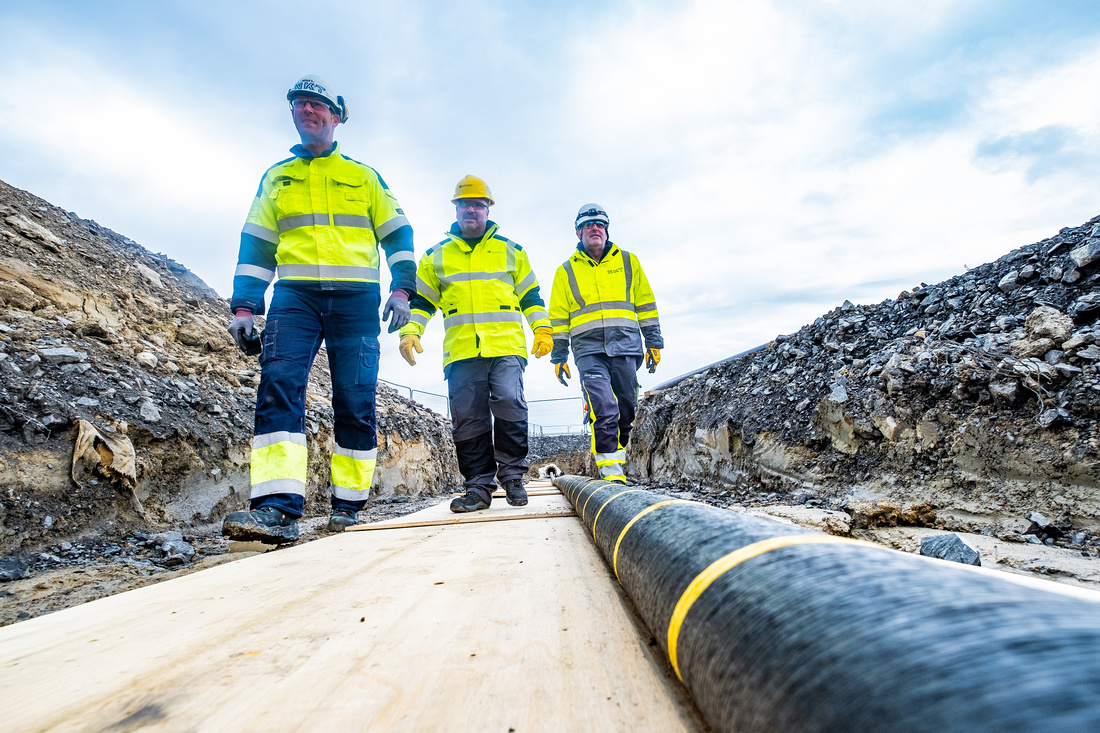
IT IS thought that around 30 per cent more rock will be needed than initially expected for the protection of the subsea HVDC transmission link between Shetland and the Scottish mainland for areas more than 12 miles away from shore.
Developer SSEN Transmission has requested a modification of its marine licence for the project as a result.
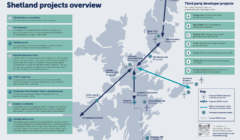
The HVDC cable will enable renewable energy power to be exported from Shetland, such as from the Viking Energy wind farm, while electricity will be able to be taken north.
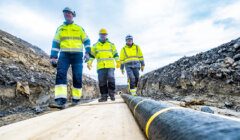
The cable itself has been laid, and the final pieces of work include protecting the link, such as with rock.
The developer has consent for using around 245,000 tonnes of rock outside the ’12 mile limit’.
However, the due to changes on the seabed it is now anticipating using nearly 320,000 tonnes in these areas – an increase of around 30 per cent.


























However, the total rock forecast to be used across the whole project represents an increase of only 7.4 per cent, as less is expected to be needed for protection inside the 12 mile limit.
Reasons for the requirement to use more rock include the developer finding some ground conditions more challenging than expected.
Meanwhile additional rock was required at the cross point with the recently installed R100 fibre optic broadband cable.
This cable was found to be surface laid rather than buried as expected.
A spokesperson for SSEN Transmission said: “The Shetland HVDC Link project is making great progress, with the subsea cable now in place on the seabed and the remaining phases of cable protection work moving at pace.
“The subsea HVDC cable is trenched and, where necessary, covered with rock to protect the cable throughout its lifetime.
“As a precaution, we recently submitted a marine licence variation to increase the amount of rock required to provide full cable protection for the cable outwith 12 nautical miles.
“This will not impact the footprint on the seabed of rock required, and is a result of changes in the seabed that have presented themselves during the project execution.
“We expect the final phase of cable protection works to be completed in early 2024.”
Keep Shetland’s news open to everyone
Your membership helps us report the stories that matter to Shetland — and keep them free for everyone to read.