

Concern over Spiggie Loch scum growth

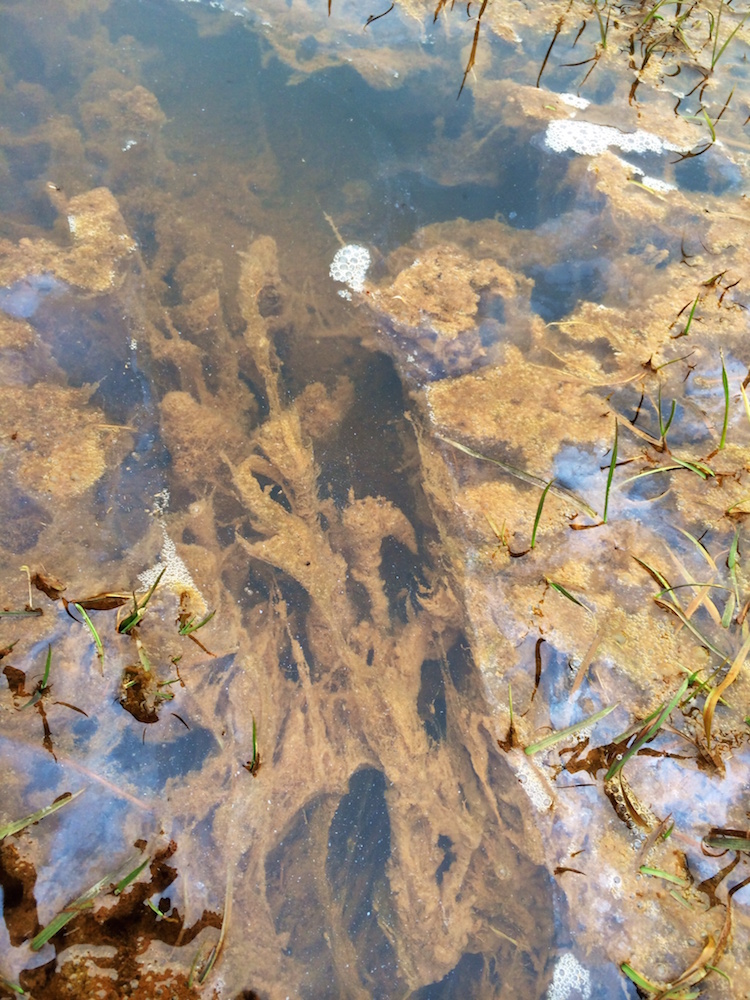
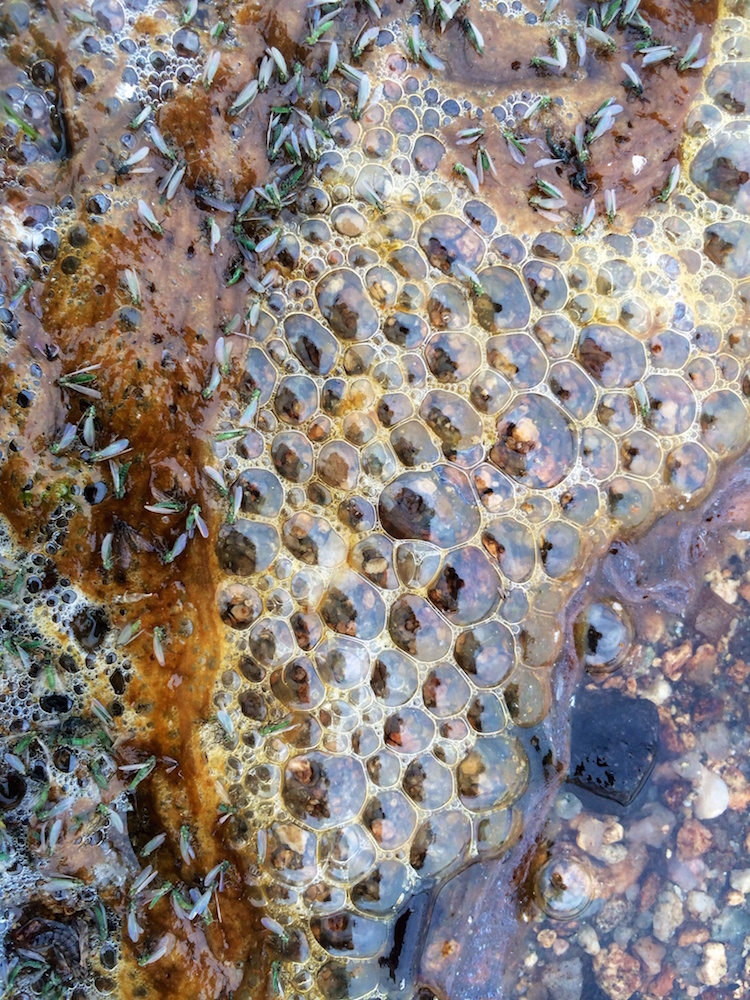
THE SCOTTISH Environment Protection Agency has insisted there is nothing wrong with the water quality of Shetland’s most iconic loch despite concerns raised locally.
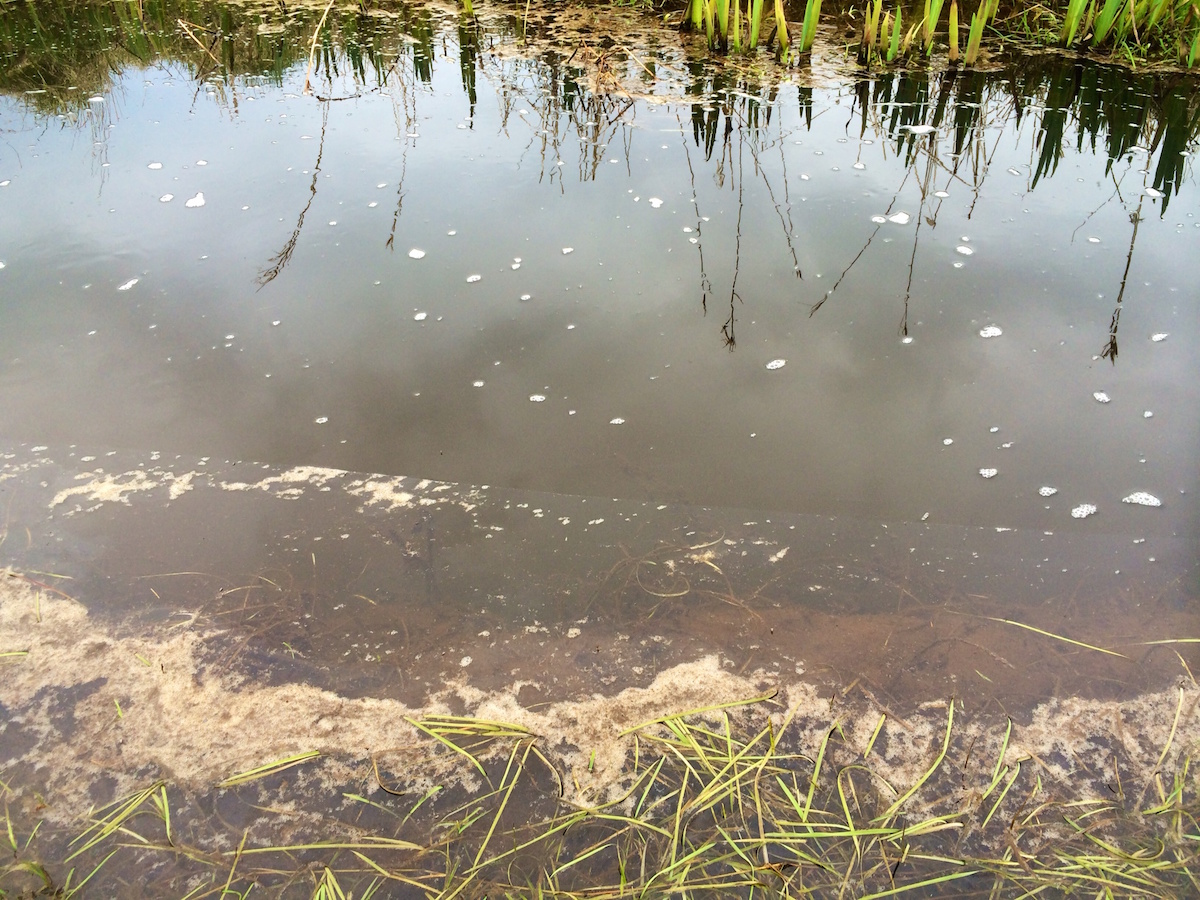
Local fly fisherman Paul Bloomer, from Bigton, has been circulating photos showing reddish growth and a bubbling scum on the surface of Spiggie Loch.
He said “no one seems to be doing anything” about the “dreadful and precarious ecological state” the iconic loch was in.
“SEPA appear to be paying lip service and monitoring water quality and acknowledge poor ecological status but something needs to be done urgently to stop the loch dying,” Bloomer said.
RSPB Shetland area manager Pete Ellis said the charity had been concerned about the quality of the water in the birds’ reserve for many years.
Around three years ago an action group, involving SEPA, SNH and number of other bodies, was set up to identify ways to improve the situation.

























“It really does need more of a concerted effort to try and find out what the problems are,” Ellis said.
Senior environmental protection officer Duncan Goudie said various aspects of Spiggie Loch’s water chemistry were regularly tested, and no material changes have been found.
“There hasn’t been any significant difference,” he said.
He said the agency would investigate Bloomer’s concerns but insisted that for many years it has been working with landowners and the agriculture community on issues such as promoting the correct way of spreading slurry.
A study on potential pollutants carried by SEPA found that 41 per cent of nutrients entering the loch originated from agricultures followed by 26 per cent coming from humans waste through septic tanks.
Birds, including the many hundreds of graylag geese new to the area were just accounting to an estimated 16 per cent of nutrient intake.
Ellis said that over recent years the number of birds on the loch had decreased over recent years but not necessarily due to the loch’s water quality.
The RSPB has seen big drops in number of pochards and whooper swans but that is most likely due to global rather than local causes.
The council’s environmental health department confirmed that last year there had been blue green algae growth on Spiggie Loch.
Keep Shetland’s news open to everyone
Your membership helps us report the stories that matter to Shetland — and keep them free for everyone to read.