Wooden boat deployed in North Pole found in Whalsay two years later

FOLK in Shetland are well used to coming across unusual items which have washed up on the coastline.
But one Whalsay resident has found something with a particularly interesting backstory.
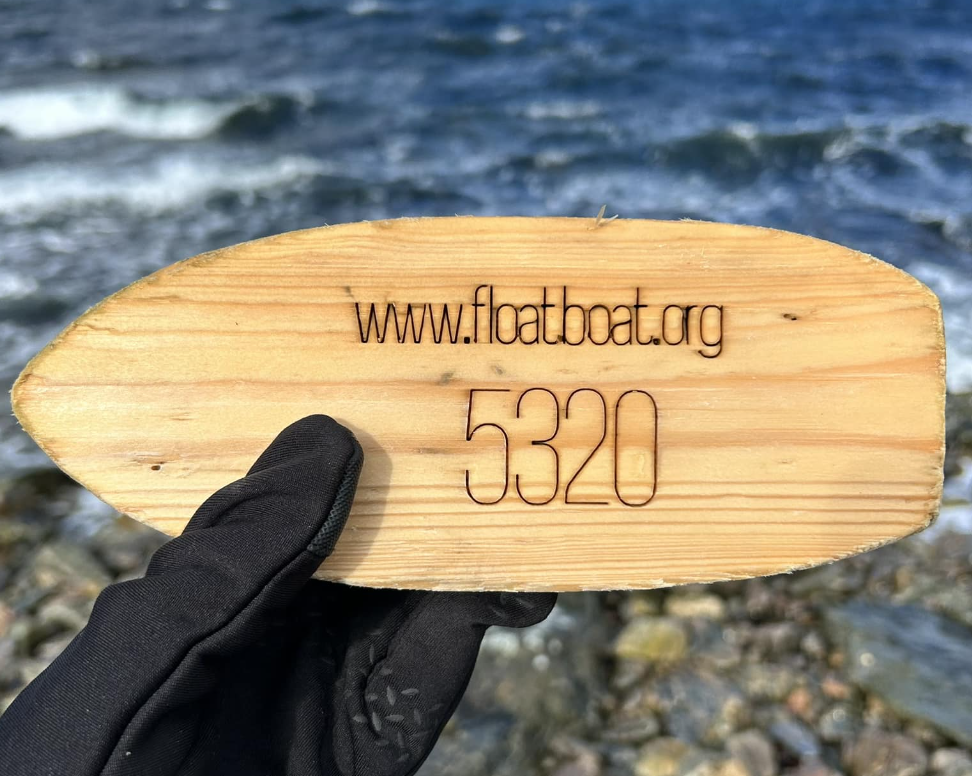
Ann Marie Anderson recently spotted what turned out to be a small wooden boat sent from the North Pole a couple of years ago as part of a scientific project which aims to educate people about the Arctic Ocean.
She found it on the northwest side of Whalsay near Challister whilst out gathering rubbish.
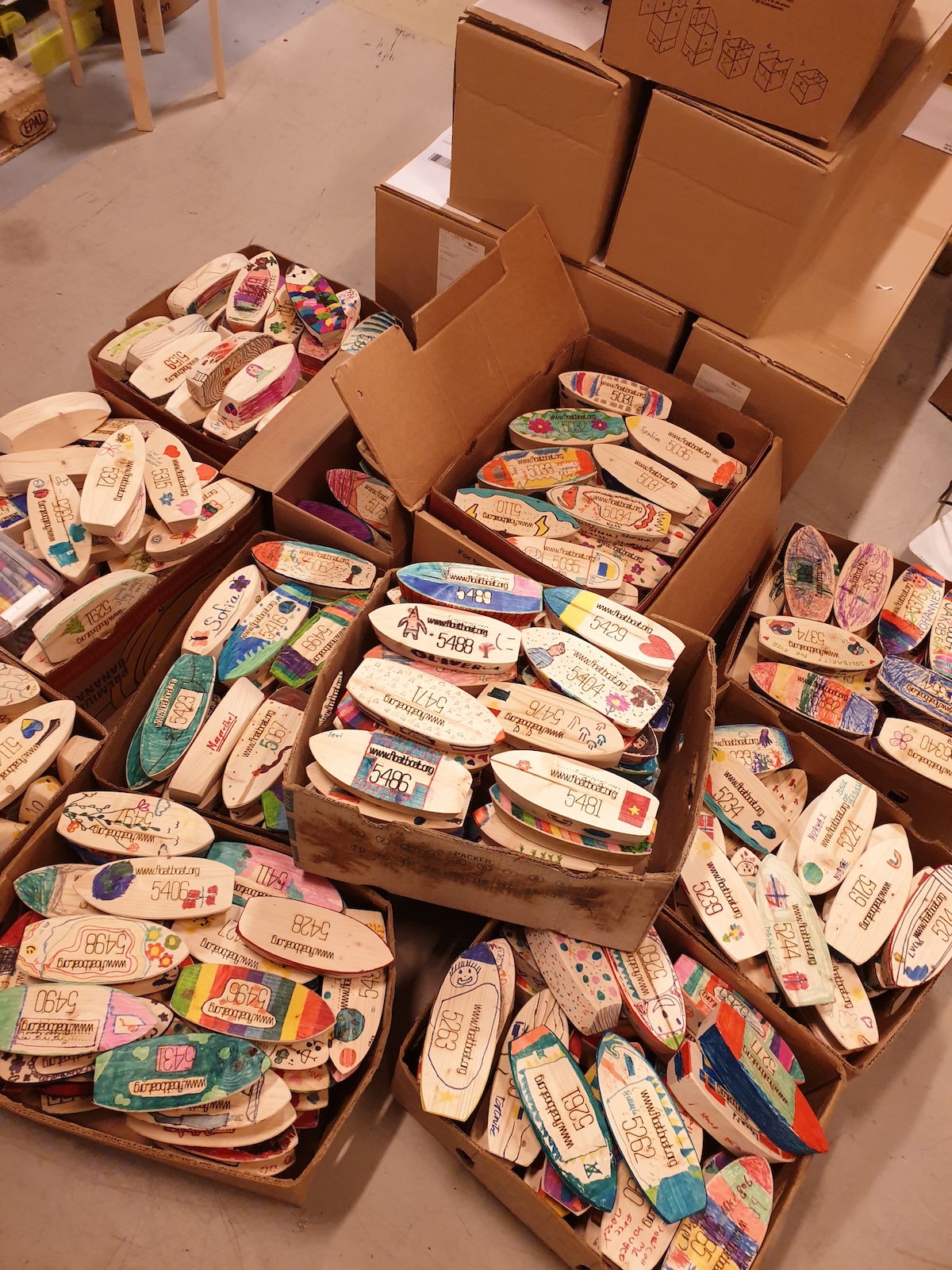
The US-based Float Your Boat project has deployed more than 5,000 wooden boats into the sea, mainly in the Arctic Ocean, since launching in 2015.
They are put into the sea alongside tracking buoys.
Children are often invited to decorate the boats before they are put into the water.
The aim is to see where they end up, giving people an opportunity to learn more about the circulation of the ocean.


























People are then asked to report any boats they find washed up.
Wooden boats have been reported in many different countries, including Iceland, Norway and Russia, as well as the Isle of Harris in Scotland.
David Forucci, a former marine science coordinator for the US coastguard who co-founded Float Your Boat, said the boat which washed up in Shetland was actually part of a batch decorated by a group of Norwegians.
He said it was deployed from an ice breaker that acts as a cruise ship.
“The interesting thing is we never had a boat wash up on Norway, but the majority of the boats they [the Norwegians] put out washed up on Norway,” Forucci said.
Help keep Shetland’s news open to everyone

Good local journalism takes time, care and people on the ground. Membership helps us keep reporting the stories that matter to Shetland — and keep them free for everyone to read. Members get a weekly newsletter created especially for them, local ads only, and can bookmark stories and join the conversation in the comments.
“The boat that was found in Shetland probably went south on the west side of Iceland, around Iceland, and then back up to the Shetland Islands.”
Climatologist Ignatius Rigor, from the University of Washington in Seattle, is involved in the project but has a specific interest in the buoys which are deployed alongside the boats.
He is a co-founder of the International Arctic Buoy Programme, which deploys buoys in the region to collect meteorological and oceanographic data.
Speaking about Float Your Boat, Rigor said: “It kind of hooks kids and adults into tracking their boats and learning more about the Arctic and climate change, and ocean and ice circulation.”
Project coordinator and science educator Sarah Johnson added that the programme helps to “create a connection” to the Arctic Ocean.
She said people can learn more about how the buoys collect weather data, which then “informs the forecast that each of us look at every day.”
Johnson said this is because the data informs the weather models and the models then inform international forecasts – and she described them as “floating weather stations”.
Keep Shetland’s news open to everyone
Your membership helps us report the stories that matter to Shetland — and keep them free for everyone to read.