Shetland bird populations hit badly after last year’s avian flu

SEABIRDS are returning in lower numbers across Scotland this year after the avian flu outbreak in 2022, according to monitoring by NatureScot.
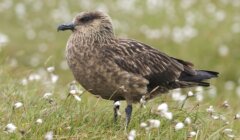
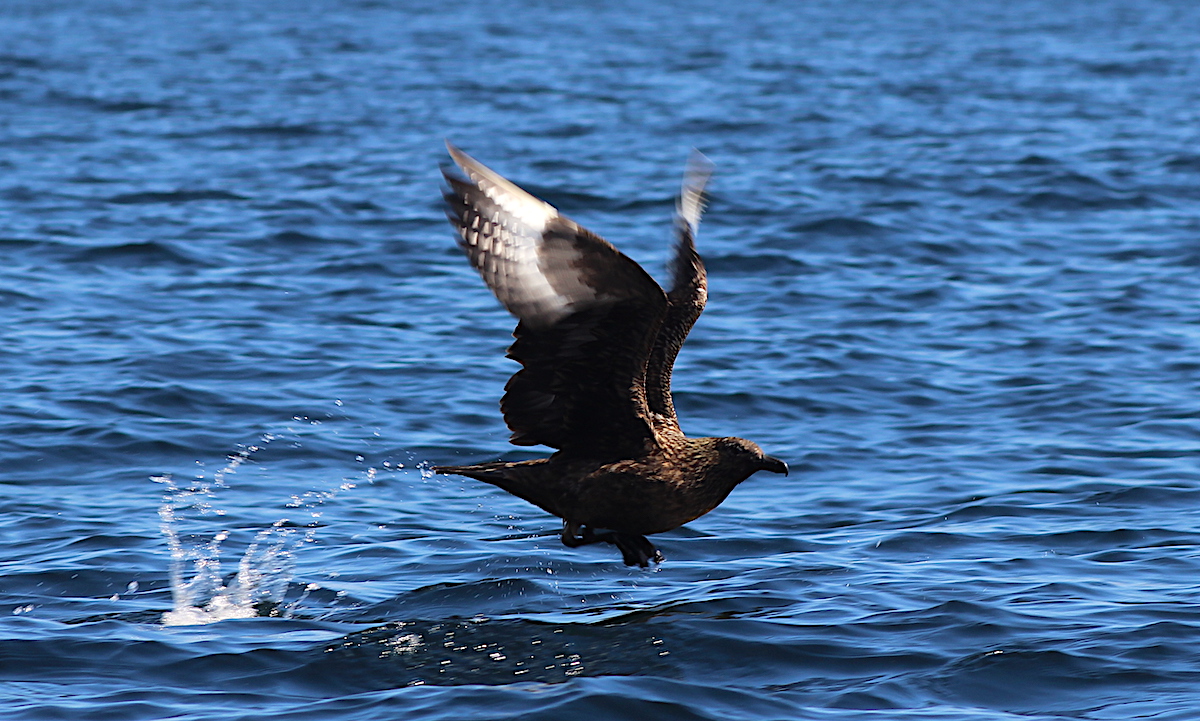
Great skuas, or bonxies, in Shetland have been particularly affected – estimations say up to 90 per cent of the Hermaness population has been lost.
Bonxie ringing and research activities have therefore been suspended to decrease disturbance and stress on the species.
Fewer terns than usual are returning to Scotland as well, including the population on Noss Nature Reserve.
Noss warden returns to isles 26 years later: ‘It feels like home’
Tern nesting was later than expected in Noss this year, but NatureScot reports that some eggs have been laid now.
More surveys are underway to further understand the impact of the disease.
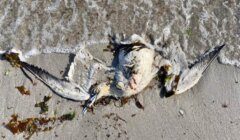
However, Scotland is not yet seeing the high numbers of dead birds that England currently is due to another bird flu outbreak.
Alastair MacGugan, NatureScot wildlife manager, said: “It is too soon to draw firm conclusions about the impact of last year’s terrible losses, but the low numbers of great skua and terns returning to our shores is certainly concerning and something we are keeping a very close watch on.
“The good news is that, in Scotland at least, we are not seeing the large numbers of dead birds around breeding sites that we did last year.
“This may mean that the remaining birds have gained some level of immunity to the virus. If so, then there is cause for optimism as populations may begin to slowly replace the losses that occurred last year.”
Keep Shetland’s news open to everyone
Your membership helps us report the stories that matter to Shetland — and keep them free for everyone to read.