Meet the charity aiming to make Shetland a ‘place where young people can thrive’
A weekly youth cafe as well as peer education and research are among the activities undertaken by OPEN

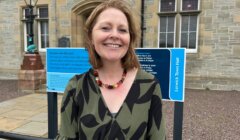
“IT’S VERY easy to see all of the negative media around young people and think that’s all of them,” says the OPEN youth charity’s ‘Time 2 Shine’ worker Emma Coutts.
“So many young people do so many amazing things, it’s just not as documented to people.”
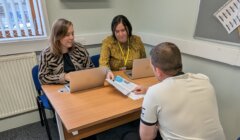
Shetland News was speaking to Coutts as well as OPEN’s training development worker Wayne Leask and a trainee youth worker a fortnight ago, prior to a widely publicised assault on two youths in Lerwick on Friday night which was recorded on video and shared on social media.
Police chief inspector Chris Sewell said he was “shocked” by the level of violence involved and confirmed there would be an increased police presence over the coming weeks.
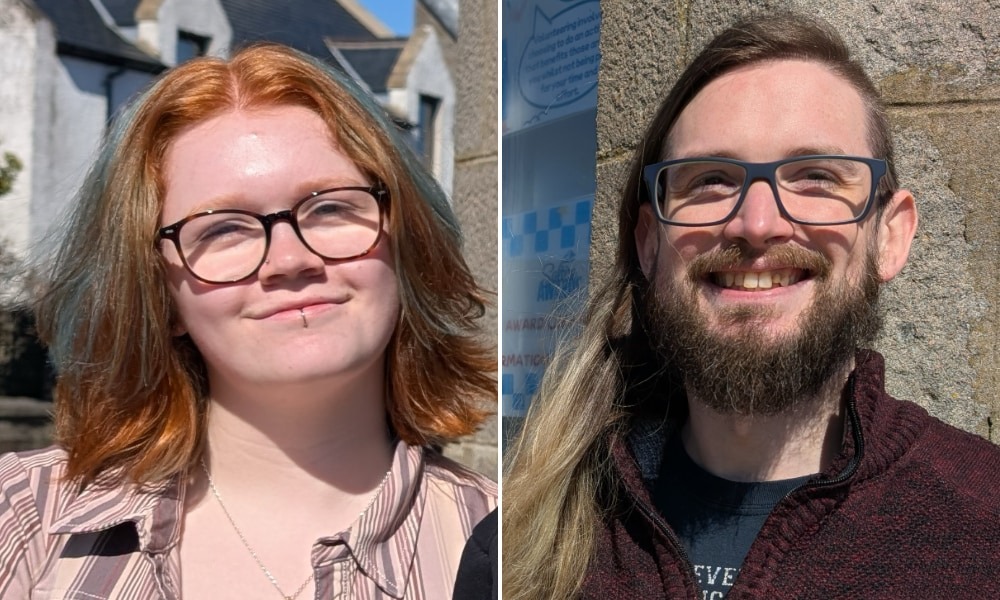























Leask told BBC Radio Shetland after the incident that the violence was “really difficult to watch” and added that people were videoing it, and sharing it online, with others then commenting on the situation without having context.
It followed another assault on a young person back near Harrison Square in Lerwick in 2024, and concern over the behaviour of some young folk in the Bressay ferry waiting room.
But the feeling from the chat with the OPEN team is that young people are often unfairly getting tarred with the same brush, and that a minority of offenders are skewing the perception of the majority.
OPEN, first set up in 2011, is Shetland’s only youth-led charity, and among its work is peer education and research.
One strand to OPEN which has proved popular over the years is its youth cafe, offering young people a place to hang out and socialise over a free drink.
Help keep Shetland’s news open to everyone

Good local journalism takes time, care and people on the ground. Membership helps us keep reporting the stories that matter to Shetland — and keep them free for everyone to read. Members get a weekly newsletter created especially for them, local ads only, and can bookmark stories and join the conversation in the comments.
This has now moved to upstairs in Mareel on Thursdays, between 4pm and 6pm.
When it was previously held in the Olive Tree cafe, in one year 3,000 people came through the door – and on one day alone nearly 75 folk turned up.
“One of the best things about the Olive Tree was how much of a genuine melting pot it was,” Leask said.
“You had young people from any faction you can imagine – you had people with learning difficulties, you had people with neurodivergence, you had people who were considered ‘neds’, people who were goths – and all different ages from 14 right the way up to 25, all together.”
One key element of the OPEN youth cafe is that it represents “light touch” youth work, where bonds are organically developed with those running it without pressure.
“You’re not forcing yourself upon them to be engaging with them,” Leask said.
“It’s allowing them to build up a relationship with you on their own terms, and naturally developing it. And then they could use that, if they needed support or advice or something, then we can come and have a chat with them.”
Coutts said she has used the youth cafe in the past as a space to do homework in – engaging in a solitary activity, but in the presence of others – before joining in with other activities like games.
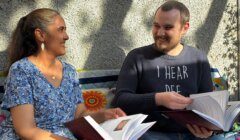
Meanwhile the trainee youth worker said it is about “socialising, getting to go and hang out with your friends”.
“Get a free drink, wifi, shelter, but also not be bossed around,” they said.
“Obviously there’s still rules and boundaries, but it’s not like you can’t go and do this, or you’re not allowed to do that. You still have freedom.”
Places for young people to go to is one element regularly raised when it comes to reports of anti-social behaviour, particularly when it comes to young people congregating in public areas.
Members of Lerwick Community Council recently heard about the places that are open in town, including the SIC-run Hub on Commercial Road.
There are also plans to trial a youth space in the Islesburgh Community Centre on Friday evenings but this has suffered from recruitment difficulties.
Good news is on the horizon, however, with the council’s youth and employability services team leader Martin Summers saying the SIC has now managed to recruit and will be working through the pre-employment conditions with the successful candidates.
“That will allow us to work with them, a steering group of young people and partners to look at what our next steps will be to establish a setting that is created together,” he added.
Stressing that OPEN cannot do it all, Leask said having a youth space in Islesburgh would be “phenomenal” and a “step in the right direction”.
“It’s trying to make sure there are spaces within the community that aren’t OPEN led or run, that they can go to and feel safe in,” he added.
“Part of that is building up tolerance within the community with young people.”
Coutts meanwhile said she felt that more negative things were being said about young people and the way that they acted during school holidays, when the OPEN cafe is not open, or in the evenings where other places have closed.
“I kind of noticed the things like the cafe, having it on during term time, does decrease their negative actions and the perceptions of that,” she said.
Coutts said she used to be among the young people who did hang out in the Bressay ferry waiting room in Lerwick.
But she said: “I know for a fact that if someone came in when we were there, we would either quieten down and not really talk until they leave, or we would leave.
“If someone did come in, we were not going to force them out,” Coutts added.
Leask also feels that there are perceptions that young people being loud among groups of friends equated to anti-social behaviour.
“Yes they’re loud, yes they’re being like young people, but it’s just young people behaviour,” he said.
“I always link it to young people being loud and having fun and speaking with their friends, to adults being out on a Friday or Saturday in the pubs, and they’re louder than young people are.
“So why’s it okay for one group of people to go and have somewhere to drink and be loud in, but young people can’t go and just socialise out in the public?”
Among the projects being worked in OPEN is Time 2 Shine, which is led by Coutts.
She has been employed for a year on a full-time basis to run a project honing in on social action.
One element of this, she says, is to improve the perceptions of young people in the community and highlight the good that they do.
Another aspect of the project is to highlight problems that young people are facing, with social media set to be used.
“There’s this low tolerance for young people within the community, so we’re trying to get adults to see that young people are amazing and they do so much in the community,” Leask added, “and we don’t want this small minority of loud, negative examples or situations to overshadow all of the amazing stuff that young people do.”
There is also the ‘Shift Up’ project, which aims to bring together young people and professionals to challenge stigma and empower youth voices.
This could include bringing together young people with organisations like the NHS, and the council’s youth services and social work.
Peer research at OPEN continues, with one ongoing project exploring what matters to care experienced people.
OPEN currently has nine staff, with two on full-time hours, with around ten regular volunteers.
However, the charity is keen to recruit more volunteers. Anyone interested can find a membership form here which includes more information.
Keep Shetland’s news open to everyone
Your membership helps us report the stories that matter to Shetland — and keep them free for everyone to read.