‘Careful planning’ needed to mitigate noise and dust at Brae school construction site

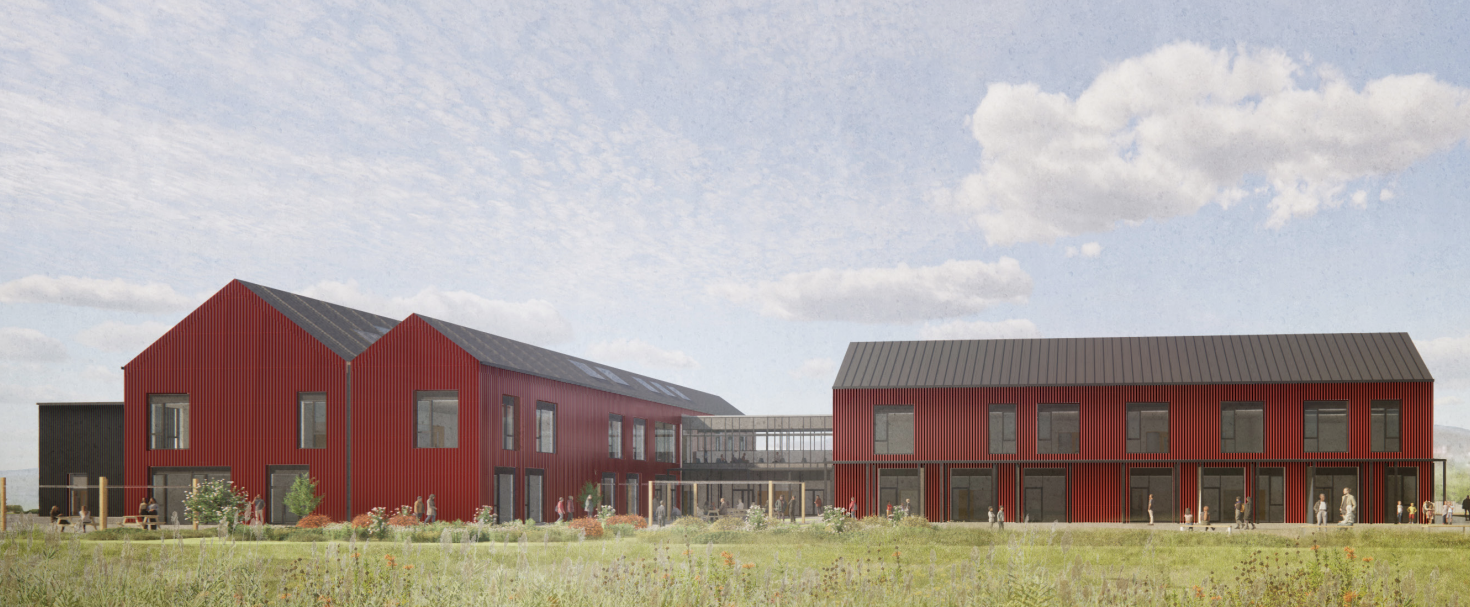
SEPARATING construction vehicles and pedestrians will be the “most significant risk” to the local environment during the building of a proposed new education campus in Brae.
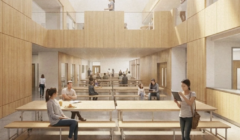
Planning firm Ryder Architecture has outlined plans to keep noise, dust and traffic movements to a minimum during construction if the new school project got underway.
It comes following recent concerns about the effect of the Staneyhill housing development in Lerwick on neighbouring residents, who have complained about noise and dust emanating from the site.
There were also strong objections to the decision to demolish ‘temporary’ school huts at Dunrossness Primary School during term-tine, primarily due to the effect that noise, dust and traffic would have on pupils.
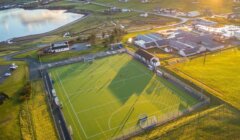
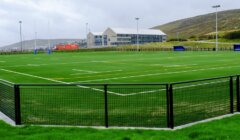
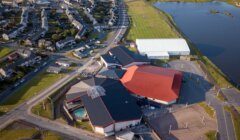
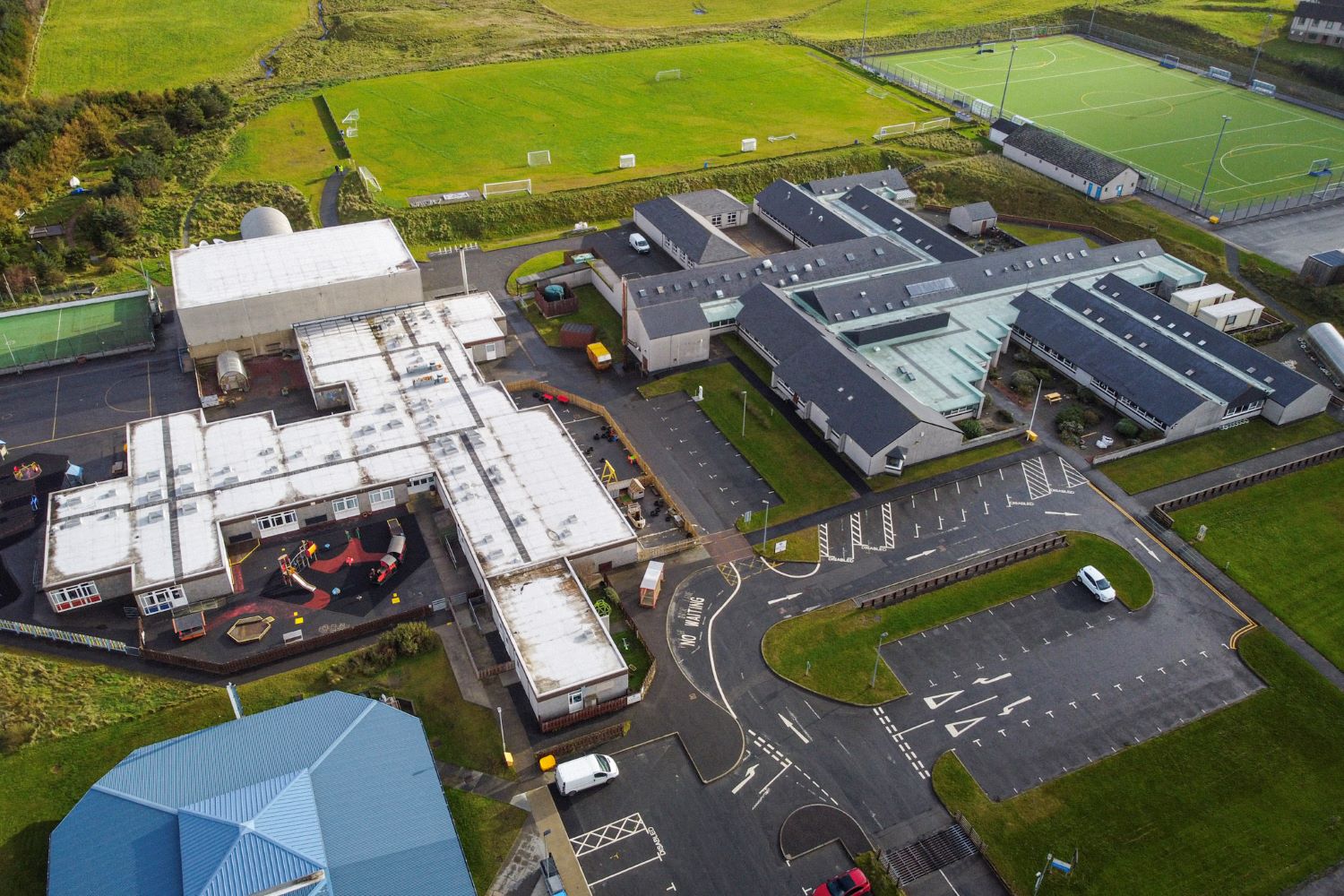
Ryder has submitted a screening opinion to council planners for the proposed Brae campus, along with a playground and sports facilities, which are currently expected to be built on the Delting Football Club pitch to the rear of the current school.


























It said that “careful planning and coordination” would be required to ensure that construction traffic could co-exist with pedestrians attending the Brae school and leisure centre.
Deliveries would be timed to avoid school start and finish, as well as break times, and there would be “designated pedestrian access to the school” to avoid meeting construction vehicles.
Plant and pedestrians would be segregated, it added, with crossing points and signage in place.
A holding bay for deliveries arriving onsite will ensure there is no build-up of vehicles at the main gates or on residential streets, Ryder said.
“A traffic management plan will be developed, which will be reviewed regularly and updated throughout the currency of the project,” it added.
“Throughout the project, close communication with the schools and leisure centre will be required to monitor the effectiveness of the controls established.”
Help keep Shetland’s news open to everyone

Good local journalism takes time, care and people on the ground. Membership helps us keep reporting the stories that matter to Shetland — and keep them free for everyone to read. Members get a weekly newsletter created especially for them, local ads only, and can bookmark stories and join the conversation in the comments.
To mitigate against dust and noise pollution, Ryder said that sheeted lorries and sealed or covered skips would be used.
Dust extraction equipment would be used when drilling or cutting was taking place, and haulage roads and stockpiled materials would be dampened down during dry or windy weather.
Access roads will be swept regularly, while screens such as “earth bunds” will be used to act as acoustic barriers during noisy work.
Plant and equipment would be located “away from sensitive receptors”, Ryder said, while white noise systems would be fitted to vehicles to “reduce noise nuisance when reversing”.
Noise, vibration, and light will be “actively managed due to proximity to occupied school and residential properties”, Ryder added.
The company also outlined plans for better active travel routes to the new school in Brae.
It said the aim was to “optimise the use of existing infrastructure or promote the introduction of new infrastructure that provides safe and convenient opportunities for staff, pupils, and visitors to walk and cycle to the development site and facilitate travel by public transport”.
The existing access off the A970 main road will be retained to allow parking and access to the current school and leisure centre site.
However, there are also proposals to improve the existing bus drop off on Moorfield ring road and “create a better connection from the north edge of the site towards the new school”.
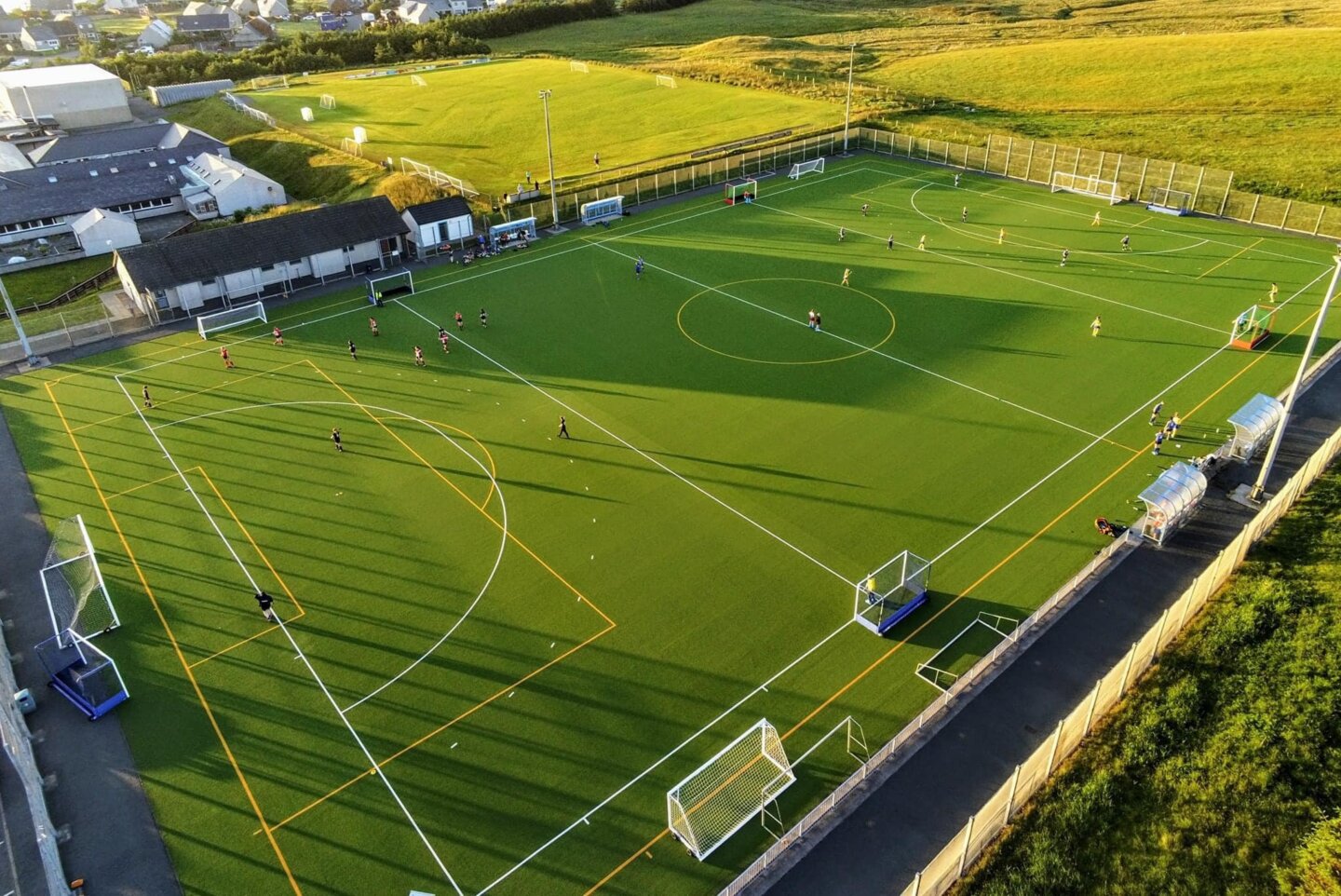
Pedestrian and cycle routes could be created into the site alongside the all-weather hockey pitch in Brae, and from the west off the A970, which would separate pedestrians and vehicles “as far as is practical”.
A transport statement will accompany the full planning application, Ryder said.
Various options for the future of the Brae High School, from a new build and refurbishment, will be costed and included in a business case expected to come before councillors next year.
Elected members agreed in January 2024 to press ahead with the business case process on a new build, which was the preferred option.
The estimated cost back then sat at £42.5 million, but there has not yet been an updated estimate released publicly.
The Scottish Government previously pledged to fund half of the cost towards the project, but this would be through revenue funding over 25 years rather than capital, while there would be conditions attached.
Ryder said that a new-build school was the “preferred solution” for the site.
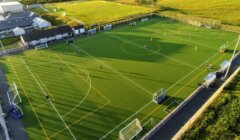
An options appraisal is also currently being carried out on how best to replace the Delting football pitch in the area.
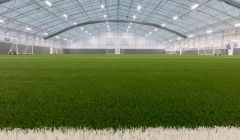
One option is for Shetland Islands Council to potentially purchase the Brae hockey pitch from Shetland Recreational Trust and resurface it for football, and create a new 3G hockey pitch in Lerwick.
Another is to build a new synthetic football pitch on the current school site once the buildings are demolished.
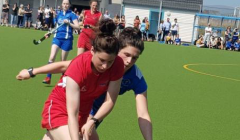
Shetland Hockey Association gave its backing to plans for a new hockey facility in Lerwick, but some in the North Mainland have pushed back against losing a pitch in the area.
Keep Shetland’s news open to everyone
Your membership helps us report the stories that matter to Shetland — and keep them free for everyone to read.