Rosebank preparations step up with impending arrival of FPSO

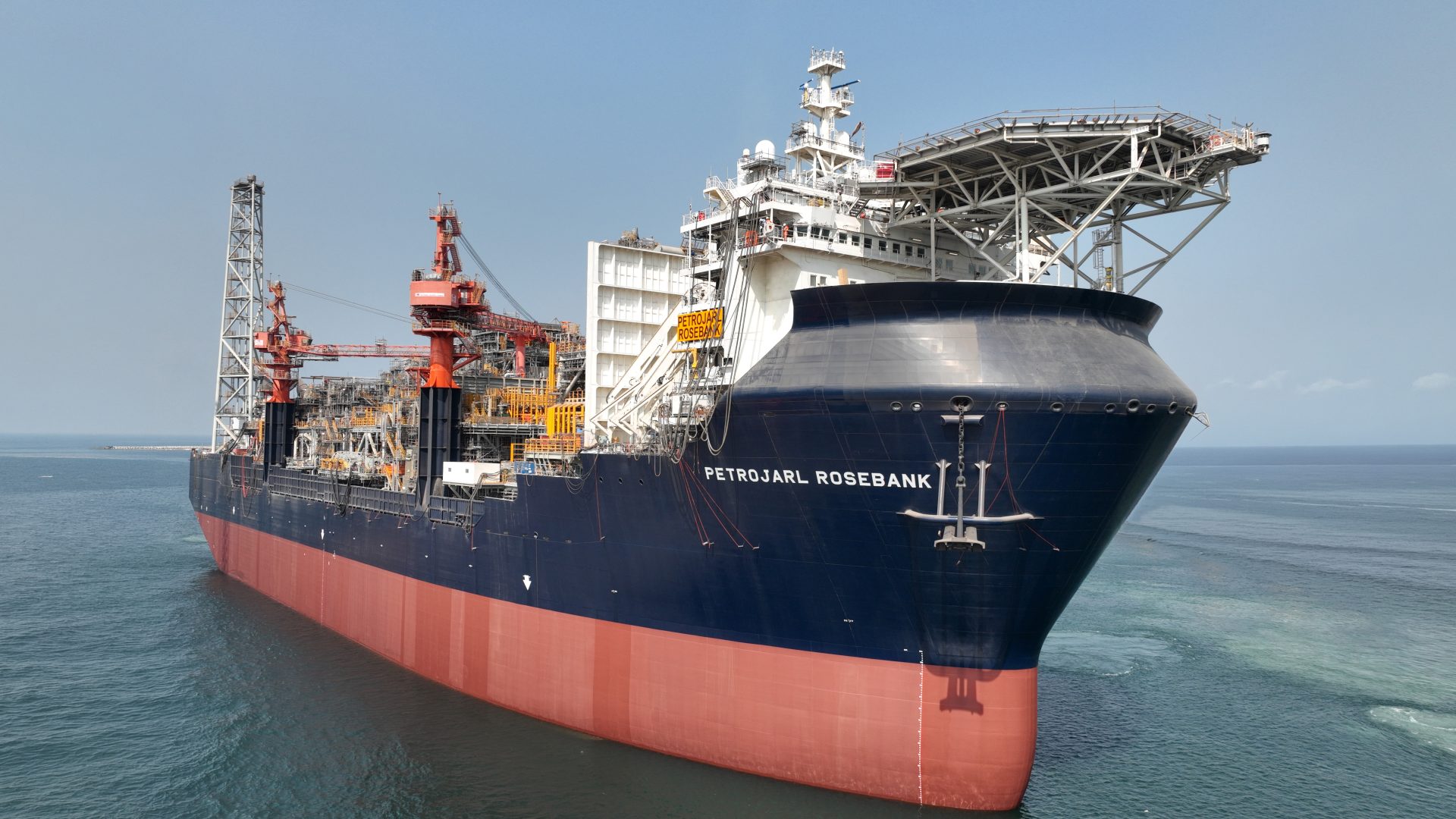
PREPARATIONS for drilling at the Rosebank oil and gas field appear to be stepping up with the impending arrival of a key piece of infrastructure on site.
The large Floating Production, Storage, and Offloading (FPSO) unit, which will extract the oil for tankers to collect, is set arrive at the field from 25 May onwards.
A notice to mariners added that the Petrojarl Rosebank FPSO will then be hooked up and ready for full production at the end of 2026.
Work continues on the oil and gas development to the north west of Shetland despite a court ruling which means the UK Government is having to re-consider the development’s approval following a challenge from climate campaigners.
The field is located around 130 kilometres north west of Shetland, and is the largest undeveloped oil field in the region – with expected resources estimated at more than 350 million barrels of oil equivalent.























It is being developed by Adura, a firm created last year by the merger of Equinor and Shell’s UK offshore operations.
Oil will bypass Shetland, but gas will go through a pipeline to Sullom Voe Terminal.
Developers say the FPSO will be “electrification ready” from day one, which would reduce Rosebank’s production emissions by more than 70 per cent.
A direct cable link from Shetland has been mooted, but Equinor bosses said last year during a visit to Lerwick that availability of power was a “big uncertainty”.
Availability of power the ‘big uncertainty’ for Rosebank electrification plans
The FPSO, which has changed its name from the Petrojarl Knarr to the Petrojarl Rosebank, is around 256 metres in length and can facilitate production of 70,000 barrels of oil per day.
The vessel is currently located on the west of Norway.
The development has drawn protests from environmental campaigners, including in Shetland, who say the field should not be touched.
Help keep Shetland’s news open to everyone

Good local journalism takes time, care and people on the ground. Membership helps us keep reporting the stories that matter to Shetland — and keep them free for everyone to read. Members get a weekly newsletter created especially for them, local ads only, and can bookmark stories and join the conversation in the comments.
Adura, however, points to how Rosebank is estimated to create £8.5 billion of direct investment, of which £6.6 billion is likely to be invested in UK-based businesses – with 2,000 UK jobs due to be created in its development phase.
It also claims that oil being transported to refineries elsewhere will support Europe’s energy security, with the gas, however, ending up in the UK grid.
Rosebank – and the wider oil and gas sector – was a feature in the recent Scottish Parliament elections.
When questioned on the topic during a visit to Lerwick’s Commercial Street in the campaign, SNP leader John Swinney said climate and energy security were two key factors.
“My view on oil and gas developments is consistent with what the SNP has been saying for some time – that any new development must pass a climate compatibility assessment,” Swinney said.
When asked about Rosebank, SNP’s winning Shetland candidate Hannah Mary Goodlad – who worked for Equinor prior to her election campaign – said she would not comment on specific fields or projects.
But she said: “I think as long as the UK is using oil and gas then with the UK’s record on health and safety, on human rights and our low carbon footprint, really the UK should be producing oil and gas.”
At opposing ends of the debate, Alliance to Liberate Scotland’s Brian Nugent advocated more oil and gas production and likened climate change to a “cult”, while the Greens’ Alex Armitage has long argued that Rosebank should not go ahead.
Keep Shetland’s news open to everyone
Your membership helps us report the stories that matter to Shetland — and keep them free for everyone to read.