


Councillors approve second plan for ‘small population’ islands

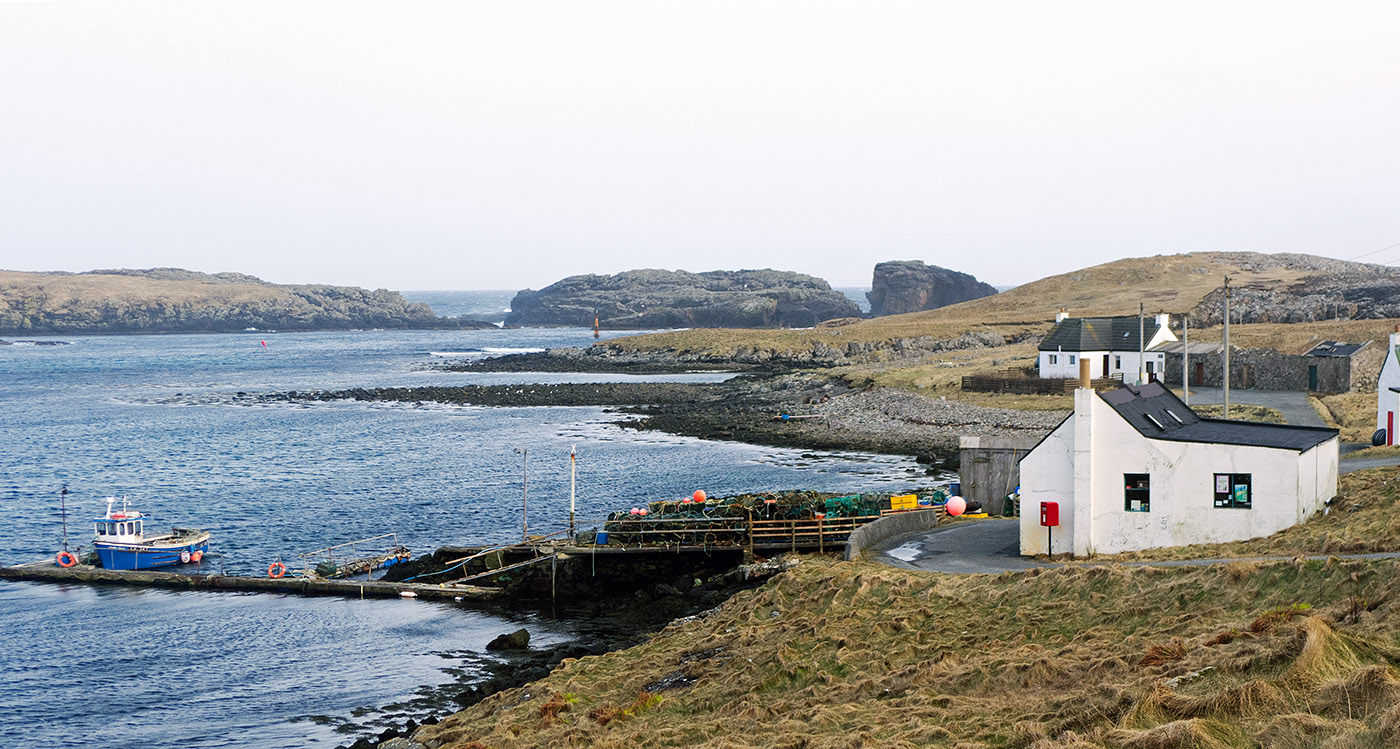
A SECOND ‘locality plan’ for Shetland’s islands with small populations – Fair Isle, Fetlar, Foula, Papa Stour and Skerries – has been approved by councillors.
The plan includes a number of aims and objectives for each island.
Among the aims are electrification of transport to Foula, exploring the use of the mothballed Skerries school as a “community asset” and identifying land for potential housing in Papa Stour.
All of the islands have a long-term aim of attracting new residents.
The plan, which updates the first one published in 2020, says there are 186 full-time residents living in Fair Isle, Fetlar, Foula, Papa Stour and Skerries. This is seven less than in 2020.
In recent years representatives of the five communities have met under the ‘islands with small populations’ banner.
The plan says that 30 per cent of the permanent island population is aged over 65, with 20 school-aged children across the five islands.






















Around 15 per cent of the island population is aged under 16.
Median income for the five islands is 28 per cent lower than the Shetland average.
According to the results of a survey, nearly 70 per cent of people say they are satisfied with the public transport links.
The report says that the plan demonstrates that progress has been made in the island since the first one, “but there is always more to do”.
“It has been developed by and with the five communities – collectively and as individual communities,” it added.
Since the first plan government funding has been awarded for a new Fair Isle ferry, whilst digital connectivity has largely improved too.
The management and leadership team of the Shetland Partnership is responsible for ensuring that the plan is delivered.
The second plan was approved by members of Shetland Islands Council’s (SIC) policy and resources committee on Monday.
Help keep Shetland’s news open to everyone

Good local journalism takes time, care and people on the ground. Membership helps us keep reporting the stories that matter to Shetland — and keep them free for everyone to read. Members get a weekly newsletter created especially for them, local ads only, and can bookmark stories and join the conversation in the comments.
Introducing the plan, SIC chief executive Maggie Sandison while there had been some progress for the islands, “challenges remain and continue to be greater than for other areas of Shetland”.
Community planning team leader Emma Perring added that the second plan included a greater focus on development.
The meeting also heard that no locality plans are being considered for other areas of Shetland, but work on creating profiles has been undertaken.
Sandison said there tends to be significant disadvantage within communities, but “not between communities”.
Despite no further plans in the offing, she said there would still be continued engagement with all communities.
At Monday’s meeting, in addition to green-lighting the plan councillors were asked to approve contributing the “necessary resources, along with other partners, in order to achieve the outcomes”.
Shetland Central member Moraig Lyall said that whilst she was hugely supportive of the island communities, she felt there was an element of signing a “blank cheque” given the scope of the outcomes.
Sandison had earlier said the council’s work in this area often includes helping communities with applications for external funding.
Lyall’s motion to tweak the wording of the decision to “make progress” with outcomes lost in a 7-3 vote against Shetland West Liz Peterson, who supported the wording staying the same.
Meanwhile Shetland South member Robbie McGregor, who represents the SNP, said: “If we expect the Scottish Government to look after Shetland as a whole, we should look after our islands”.
The Community Empowerment (Scotland) Act 2015 places a statutory duty on community planning partners to produce a locality plan.
A locality plan needs to cover an electoral ward or an area with no more than 30,000 people.
Keep Shetland’s news open to everyone
Your membership helps us report the stories that matter to Shetland — and keep them free for everyone to read.