





Health secretary says islands a useful place to trial paramedic diagnostic devices

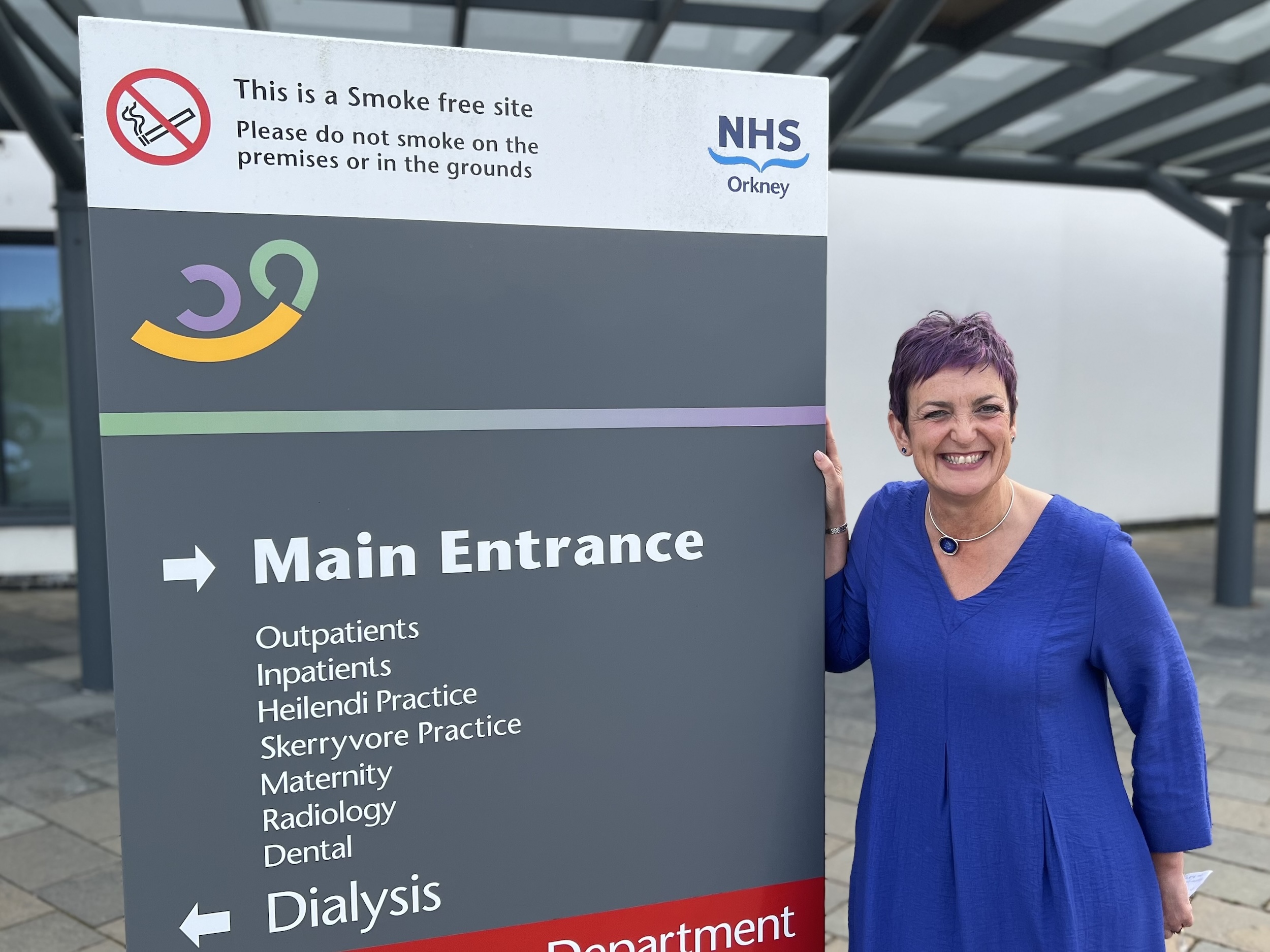
THOSE behind a new trial of portable diagnostic devices for paramedics in Shetland and Orkney were “passionate about testing it in an island community”, according to the Scottish health secretary.
Angela Constance said if “something works in a rural, remote or island setting then there are fewer reasons as to why it couldn’t work elsewhere”.
It aims to cut down on unnecessary hospital journeys and help more islanders receive safe care at home.
The 21-month pilot project, christened Project Sound, is backed by up to £500,000 of funding from the Scottish Government through the National Islands Plan 2026.
The announcement came as the Scottish Government’s cabinet secretary for health and care Angela Constance visited Orkney during the week.
She met with paramedics at Kirkwall’s Balfour Hospital to talk about the scheme.






















Asked for examples of how the diagnostic devices will be used, she said they will be able to assess whether chest pain is a cardiac condition and offer quick diagnostics for infection or dehydration.
Currently, up to 77 per cent of ambulance callouts in the islands result in a hospital transfer.
This included 86 per cent of patients with chest pain and 77 per cent of those with breathing difficulties.
Many of these patients could be safely treated and monitored at home if paramedics had faster access to test results, the Scottish Government says. The handheld devices will give results within minutes.
This will mean paramedics can make a decision about whether someone needs to go to hospital or can be safely treated and monitored at home, before or instead of transferring patients to hospital.
But could this put more pressure and responsibility on local paramedics?
Help keep Shetland’s news open to everyone

Good local journalism takes time, care and people on the ground. Membership helps us keep reporting the stories that matter to Shetland — and keep them free for everyone to read. Members get a weekly newsletter created especially for them, local ads only, and can bookmark stories and join the conversation in the comments.
The health secretary said: “The role of a paramedic is an expansive one.
“Perhaps we don’t talk enough about their role and the care and service provided by Scottish Ambulance service.
“Across Scotland, they will turn up and about 50 per cent of people will be diverted to the most appropriate form of care, whether they’ve been treated on-site by the paramedic or referred to a minor injuries unit.
“So, paramedics are already highly trained and highly skilled professionals.
“From my discussion today with the Scottish Ambulance Service and frontline paramedics, they’re really excited about this piece of kit – which is being trialled in Orkney and Shetland before anywhere else.”
Asked for more detail on how and when the devices will be used, Constance gave some examples.
She said: “In terms of chest pain – in the majority of cases chest pain is not a cardiac condition. But people have to be sure, both patients and clinicians.
“It will be able to do quick diagnostics in terms of infection and dehydration as well.
“In terms of chest pain, the first routine test that would be done would be a blood test.
“If that can be done there and then – as opposed to someone travelling to hospital and sitting and waiting in the emergency department – that’s in everyone’s interest.”
By Orkney local democracy reporter Andrew Stewart
Keep Shetland’s news open to everyone
Your membership helps us report the stories that matter to Shetland — and keep them free for everyone to read.


