
Some left ‘seriously unimpressed’ by Shetland development charter
- Charter sets out key expectations from developers, but critics say none of this is enforceable
- Charter offers no community input and effective public representation
- Document described as a ‘classic example of saying almost nothing with an extraordinary number of words’

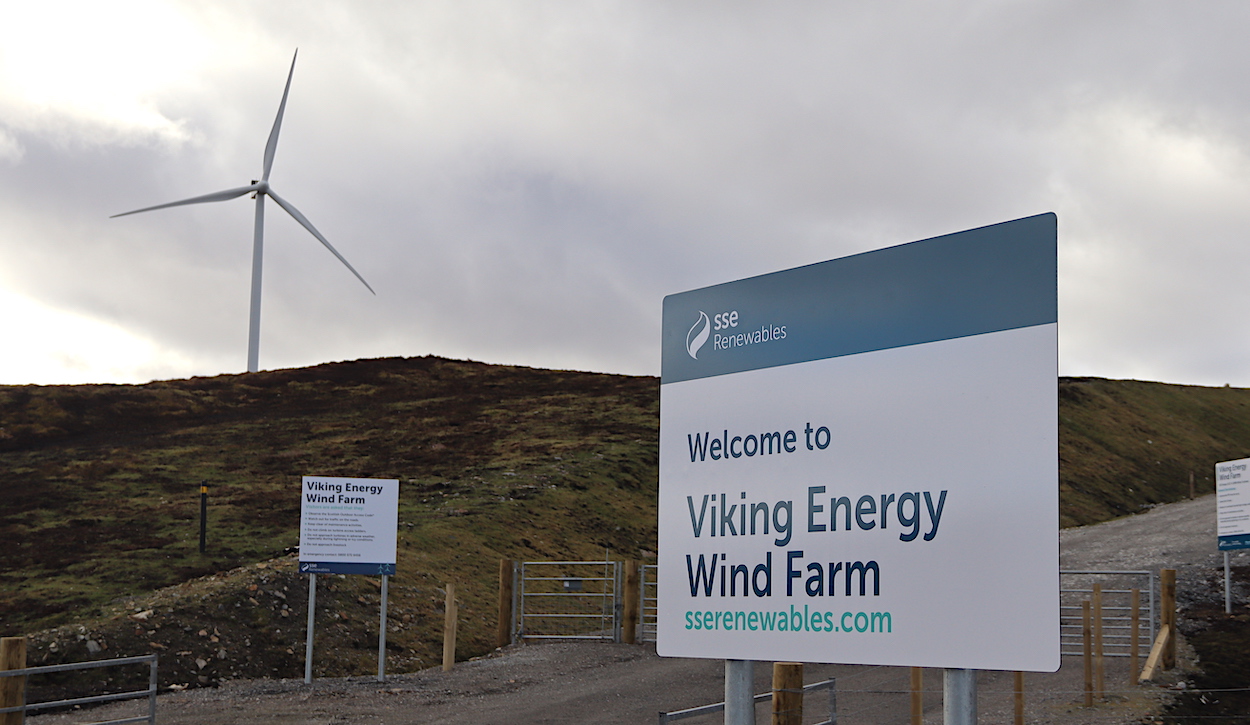
A NEW development charter setting out key expectations from investors undertaking developments in Shetland has received a less than lukewarm reception from communities affected by large energy projects.
Frank Hay of Sustainable Shetland, a group that has opposed the Viking wind farm for almost 20 years, said his members were “seriously unimpressed” by the eight-page document agreed by councillors last week.
Another, Yell resident Adrian Brockless, called the charter the “perfect example” of the “new politics of dynamic passivity (…) something Shetland Islands Council appears to have become remarkably expert at”.
Meanwhile Andrew Archer, the driving force behind a planned convention of community councils in response to concern at how little influence local people have on planned energy developments, said the biggest problem with the document was that signing up to its principles is completely voluntary.



















The charter sets out key expectations from investors when it comes to doing any work in Shetland, and particular the large developments planned for the isles over coming years.
The main aims are:
- To ensure Shetland’s move to renewable energy is fair for everyone
- To ensure the local community is heard and local needs are considered
- There is joined-up thinking when it comes to developments – to avoid duplication of infrastructure and to protect our environment
- Projects deliver clean, secure and affordable energy
- Projects deliver a legacy for Shetland residents and local industry.
In signing off the document last week, councillors themselves raised concern about the lack of environmental voices on its implementation board, and the impact a large additional workforce could have on fragile transport links.
Warning of transport ‘chaos’ as energy charter approved by councillors
The charter will be led by EmPowering Shetland which includes the SIC, Highlands and Islands Enterprise (HIE), UHI Shetland, Lerwick Port Authority, the Shetland Net Zero Energy Forum and the Norn Engineering Alliance.
Help keep Shetland’s news open to everyone

Good local journalism takes time, care and people on the ground. Membership helps us keep reporting the stories that matter to Shetland — and keep them free for everyone to read. Members get a weekly newsletter created especially for them, local ads only, and can bookmark stories and join the conversation in the comments.
There is no-one from the communities or anybody from environmental groups and agencies on the board of EmPowering Shetland raising fears that the steering group will take the industry rather than the community view on the many projects in the pipeline.
Hay said that although the charter was not a binding document it sends out “a clear, welcoming message to energy companies”.
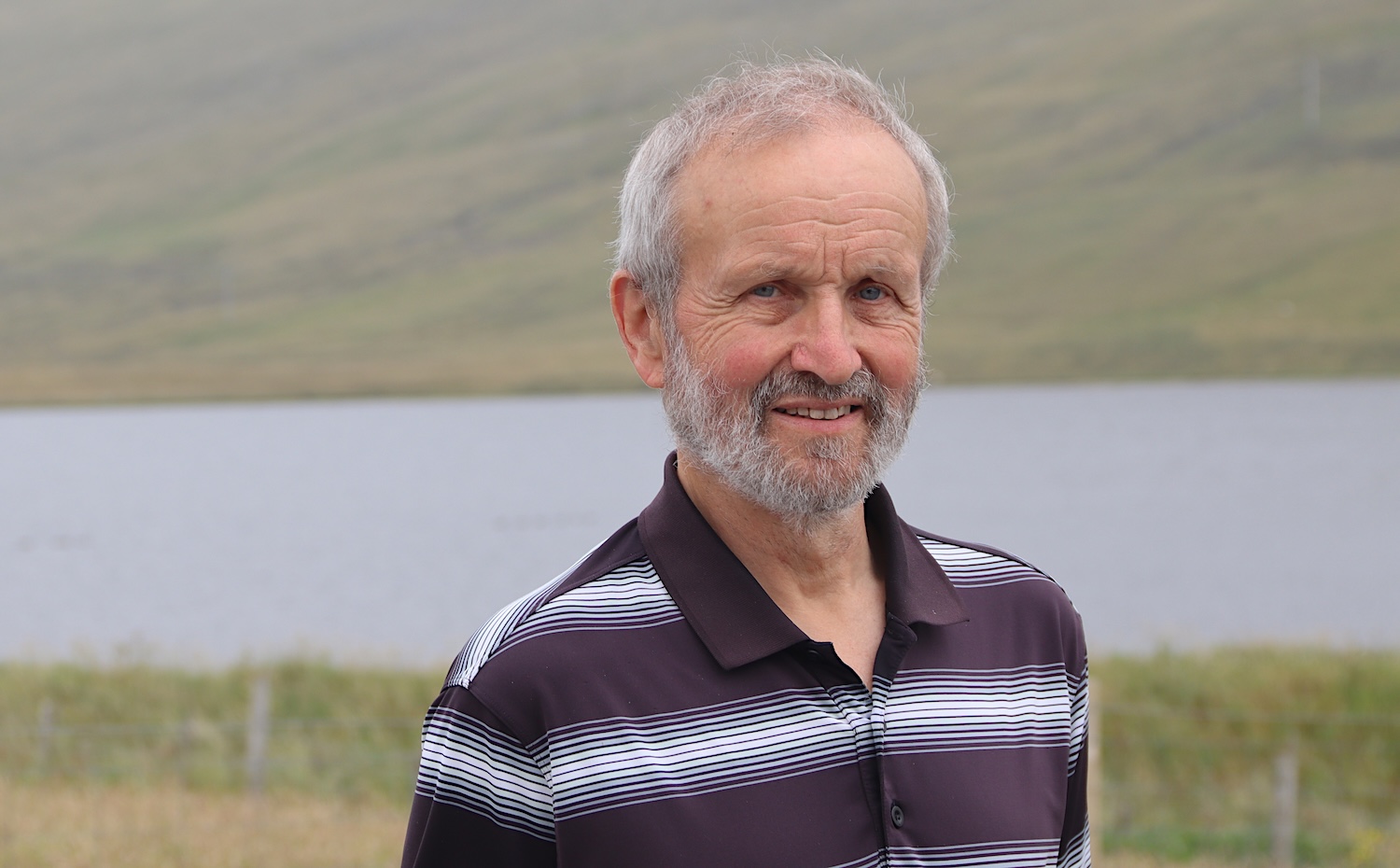
“There is no mention of community input or effective public representation,” he said. “Instead, any SIC decisions to be made, will be added to officials’ already delegated powers on renewables.
“There is emphasis on economic benefit, with little mention of the destruction to our eco systems and environment, valued by the community and which makes Shetland the place it is.
“It is stated that the intention is ‘to accelerate the transition to net zero’. This is a worrying prospect. It is increasingly being accepted by many in the energy industry that ‘net zero’ is unachievable and unaffordable.”
Meanwhile, Brockless, who has been asking questions about the two wind farms planned for Yell plus associated large infrastructure for many years, said the charter does nothing but sets out “a series of nebulous aspirations in low-grade corporate management speak”.
In an analysis of the charter document made available to Shetland News, he added: “This is a classic example of saying almost nothing with an extraordinary number of words.
“It all sounds terribly impressive. Until you stop and ask: where is the methodology? How will any of this actually work? How will success be measured?”
Brockless continued saying that over the years concern about the number of green energy projects and their sheer size has been raised repeatedly by many in the affected communities.
Here is just one example, referring to the planned Yell substation outside of Burravoe:
However, those voicing their unease on social media are regularly dismissed as “keyboard warriors”, he said, asking ‘where else could they go?’.
“There is no residents’ forum. No formal mechanism within the council through which people who are not developers, stakeholders or members of established representative bodies can place their concern directly before decision-makers,” he said.
“If the only remaining public space is Facebook, perhaps the problem is not that people are using Facebook, but that there is nowhere else for them to go.”
Brockless added: “After all the talk of empowerment, partnership, collaboration, engagement and accountability, the charter ultimately boils down to this: a document that promises almost everything while guaranteeing almost nothing.”
Continuing that theme, Archer said he feared the charter will not make any difference.
“The biggest problem with it is that it is completely voluntary for the developers,” he said.
“Only a different set of rules from the government will make a difference and that is what we will be calling on our MSPs and our MP to push for at the upcoming convention of community councillors.
“… the charter ultimately boils down to this: a document that promises almost everything while guaranteeing almost nothing.”
“For the charter to be a success our council would need to be prepared to have some big fights with companies such as SSE and Statkraft, and our experience with Viking doesn’t give us any confidence that they would be up for the fight.
“Both the council and the government have said that the levels of community benefit payments should be higher.
“The charter also encourages developers to offer the community the chance to own a stake in projects.”
Referring to the Mossy Hill project outside Lerwick which is set to get under way soon, Archer said developer Statkraft had still not come forward with proposals for the community to take a stake in the wind farm.
“Statkraft have said that they will only pay the £5,000 per installed megawatt and they have still not offered a stake in the project, despite them first raising the idea eighteen months ago,” the chair of the Tingwall, Weisdale and Whiteness Community Council said.
“If we really want the things to happen that are in the charter, then they have to be compulsory. I fear that it will just be ignored.”
Commenting after the charter’s approval last week, SIC development committee chairman Dennis Leask said the document was important “because we want to ensure that people in Shetland get a fair share from developments”.
“This is a document that is all about collaboration and we will be working with developers to sign up to it,” he said.
“It will not replace existing planning and consenting processes. By working with developers and the community, opportunities and challenges are discussed at an early stage.
“Those signing up to the charter will also commit to creating an accompanying delivery plan to show how they will uphold the principles of the charter.”
Keep Shetland’s news open to everyone
Your membership helps us report the stories that matter to Shetland — and keep them free for everyone to read.