


Sit up and take notice

When respected practitioners with productive and successful career histories in the fields of the economics of energy and the regulation of electricity markets express a view, it’s a good idea to sit up and take notice, particularly when what they say is being echoed by many other people.
Radical planning reform needed to tackle constraints, Cambridge professor says
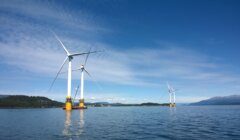
Professor David Newbery has reached the considered conclusion that construction of offshore wind infrastructure is substantially more expensive than onshore construction, which is borne out by the number of experienced global firms that have withdrawn from that sector.
If offshore windfarm infrastructure proceeds, the extra expense will be added to consumer’s bills, alongside the eyewatering constraint payments already being paid to windfarm operators whose inefficient and ineffective developments can’t transmit electricity to the grid.
Newbery’s proposals to impose a moratorium on new developments until a strategy for transition is in place, and to develop national strategies that would designate national corridors for transmission development where developers cannot connect unless sufficient capacity exists, are so simple and elegant that it’s perplexing why the great and the good at OFGEM, NESO, DESNZ, and GB Energy haven’t realised this, particularly given the number of “experts” they collectively employ.
Perhaps Professor Newbery’s intervention might introduce some degree of sense into the ongoing discourse, but it might not be a good idea to hold your breath waiting for that to happen.
Leslie Sinclair
Kirkwall