Energy projects should be stopped until ‘coherent plan’ in place, community council says
Think-tank says vast majority of wind farm profits unjustly going to private firms and shareholders

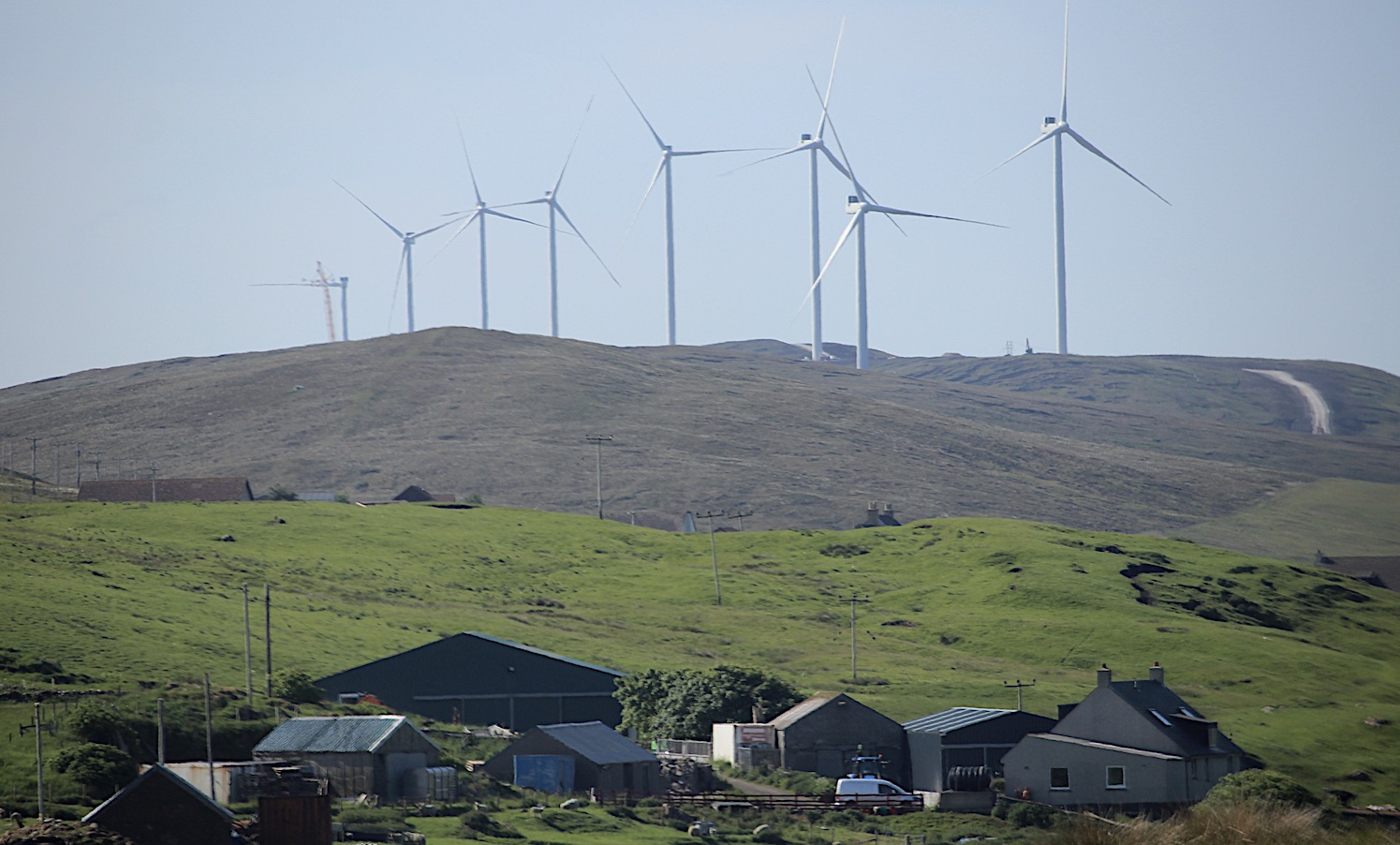
A SHETLAND community council is to call for a meeting on whether to pursue a pause on all major energy developments in the isles.
Tingwall, Whiteness and Weisdale Community Council (TWWCC) will ask for an event to be held where Shetland decides whether to follow other areas in demanding any new energy projects are stopped.
Elected representatives would then potentially sign a declaration advocating for a moratorium on further developments “until a coherent plan and strategy are in place”.
TWWCC will bring the proposal to the next meeting of the Association of Shetland Community Councils on Thursday 2 July.
It comes in the same week that a major think tank published a report finding that communities in Scotland were missing out on millions of pounds every year from wind projects.























The Centre for Local Economies (CLES) said the vast majority of profits from major onshore wind developments were benefiting corporate shareholders and private firms.
The report also found that landowners who leased land to wind farm developers were another major beneficiary, and were estimated to have collected between £190 million and £380 million in rent between 2019 and 2024.
Energy campaigners at Our Power called on the Scottish Government to prioritise community ownership of renewable projects to address the “enormous gulf” between private profit and public benefit.
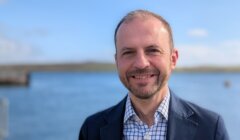
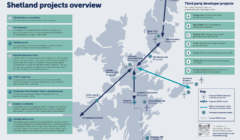
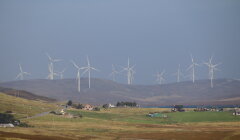
In the letter, TWWCC chairman Andrew Archer said the major energy developments planned for Shetland would have a “profound impact on our communities and our landscape”.
“Across many communities there is a strong and growing feeling that these developments are being done to us rather than with us,” it said.
“Local communities do not feel listened to or meaningfully involved in decisions that will reshape the places where we live.
Help keep Shetland’s news open to everyone

Good local journalism takes time, care and people on the ground. Membership helps us keep reporting the stories that matter to Shetland — and keep them free for everyone to read. Members get a weekly newsletter created especially for them, local ads only, and can bookmark stories and join the conversation in the comments.
“If these projects formed part of a clearly coordinated plan or wider strategy, the situation might feel different. Instead, there appears to be no overarching vision for how all these developments fit together or how their combined impacts will be managed.”
Archer said it was “difficult to avoid the impression that this has become a gold rush and land grab, driven primarily by developers seeking to maximise profit, with community priorities sidelined”.
And he said TWWCC had “little confidence” that Shetland Islands Council (SIC) would be able to “protect communities from the worst impacts”.
“There is a strong and growing feeling that these developments are being done to us rather than with us.”
“There are concerns that the agreement reached between SIC and Statkraft at Scatsta was a poor one,” Archer continued.
“While the council has stated that energy companies should pay higher community benefit rates and enable community ownership, it appears to have no effective means of enforcing these principles.
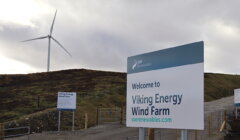
“Our community council’s experience during the Viking construction was that SIC appeared unwilling to challenge SSE and reluctant to stand up for local concerns.
“We see no clear evidence that this has changed.”
Many community councils across Scotland were in the same situation, Archer said, and the proposal echoes similar meetings held other parts of the country such as the Borders and the Highlands.
He has called for the Association of Shetland Community Councils to convene a public meeting and to invite all community councillors and elected representatives to attend.
They would then decide whether or not to sign a declaration seeking a pause on new energy developments until a clear and coherent plan and strategy was in place.
“What we are calling for is development that is properly planned, coordinated, and shaped with the involvement of the communities most affected — and that delivers a fairer return to those communities,” Archer added.
Our Power this week added its weight to that same cause, saying that community-owned energy projects needed to be given priority in coming years.
It has called on the new Scottish Government to give more communities support to own their own renewable energy projects, and to take a national public stake in all future offshore developments.
Our Power spokesman Liam Hainey said there was a “fundamental injustice” in having the majority of profits going to wealthy shareholders while communities missed out.
“There’s no excuse for the new Scottish Government to be passive, it has significant powers at its disposal to build a fairer energy system that delivers for everyone in the country,” he said.
“This report should make it very clear to the new cabinet that securing a fair share of Scotland’s renewable energy wealth should be right at the top of its agenda.”
Keep Shetland’s news open to everyone
Your membership helps us report the stories that matter to Shetland — and keep them free for everyone to read.