


More details released of early phase of SVT decommissioning

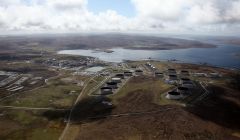
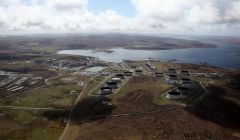
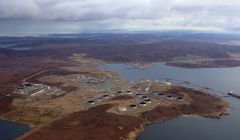
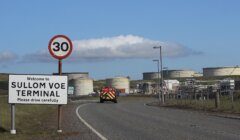
DETAILS of decommissioning set to take place at Sullom Voe Terminal (SVT) have been made public.
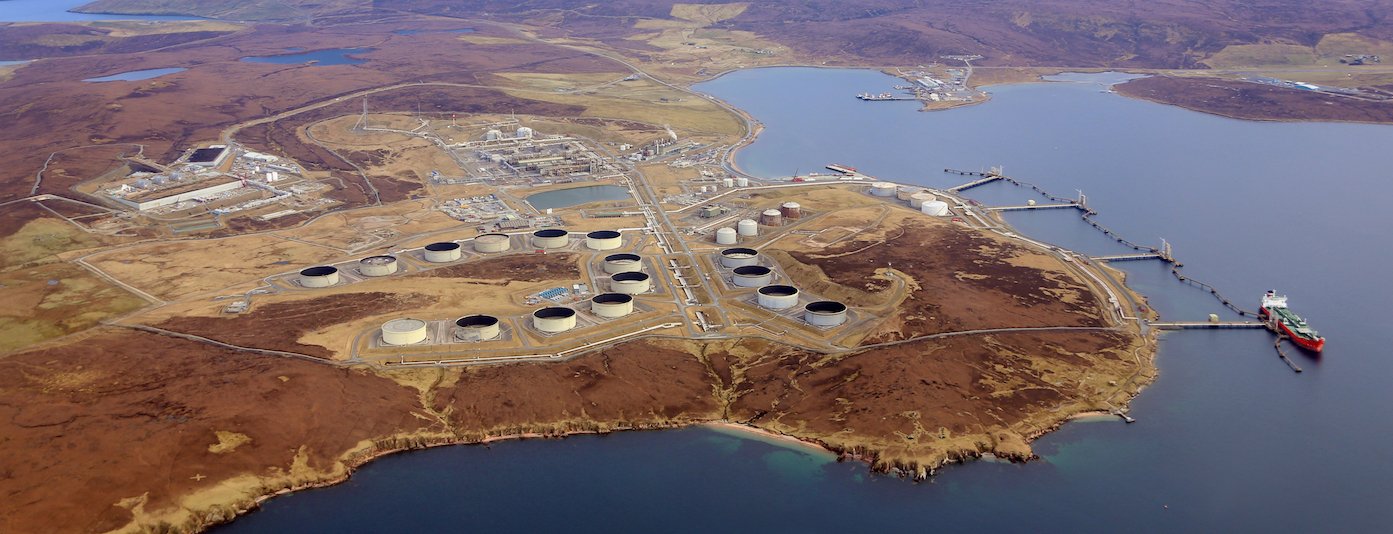
Items planned to be removed from the site in an initial phase of decommissioning include six crude tanks and three ballast tanks.
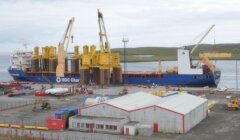
This is in addition to the planned removal of topside infrastructure from two jetties.
It comes amid plans to host new energy developments on site, including hydrogen production and carbon capture/storage.
Basic details of an early phase of decommissioning are included in a new environmental impact assessment scoping document lodged with the planning service.
It said the strategy is built around removing plant when it has reached the end of its operational life, while maintaining services for oil and gas east and west of Shetland.

























The programme “creates potential re-use opportunities” for base infrastructure as foundations, drainage and road infrastructure will remain.
The document says all six crude storage tanks were removed from service many years ago and now present a “risk to people”.
The tanks all contain hydrocarbon and would be cleaned before removal.
The three ballast tanks have similarly been removed from service and present a risk.
Also due to be removed in the same phase of decommissioning is a pipe track, cabins and a transfer facility.
The document says there will be four phases of decommissioning at the site.
The second phase would take place from 2030 onwards, with the third from 2050. The fourth phase is listed as remediation.
The document adds that the timing of subsequent phases is “likely to be tied to the relinquishment of the SVT lease”.
Keep Shetland’s news open to everyone
Your membership helps us report the stories that matter to Shetland — and keep them free for everyone to read.