

Chinook tragedy 40 years on – ‘pure luck that I survived’ fatal crash, pilot says
Forty five people died when aircraft crashed into North Sea

FOR A long time, pilot Pushp Vaid felt guilty.
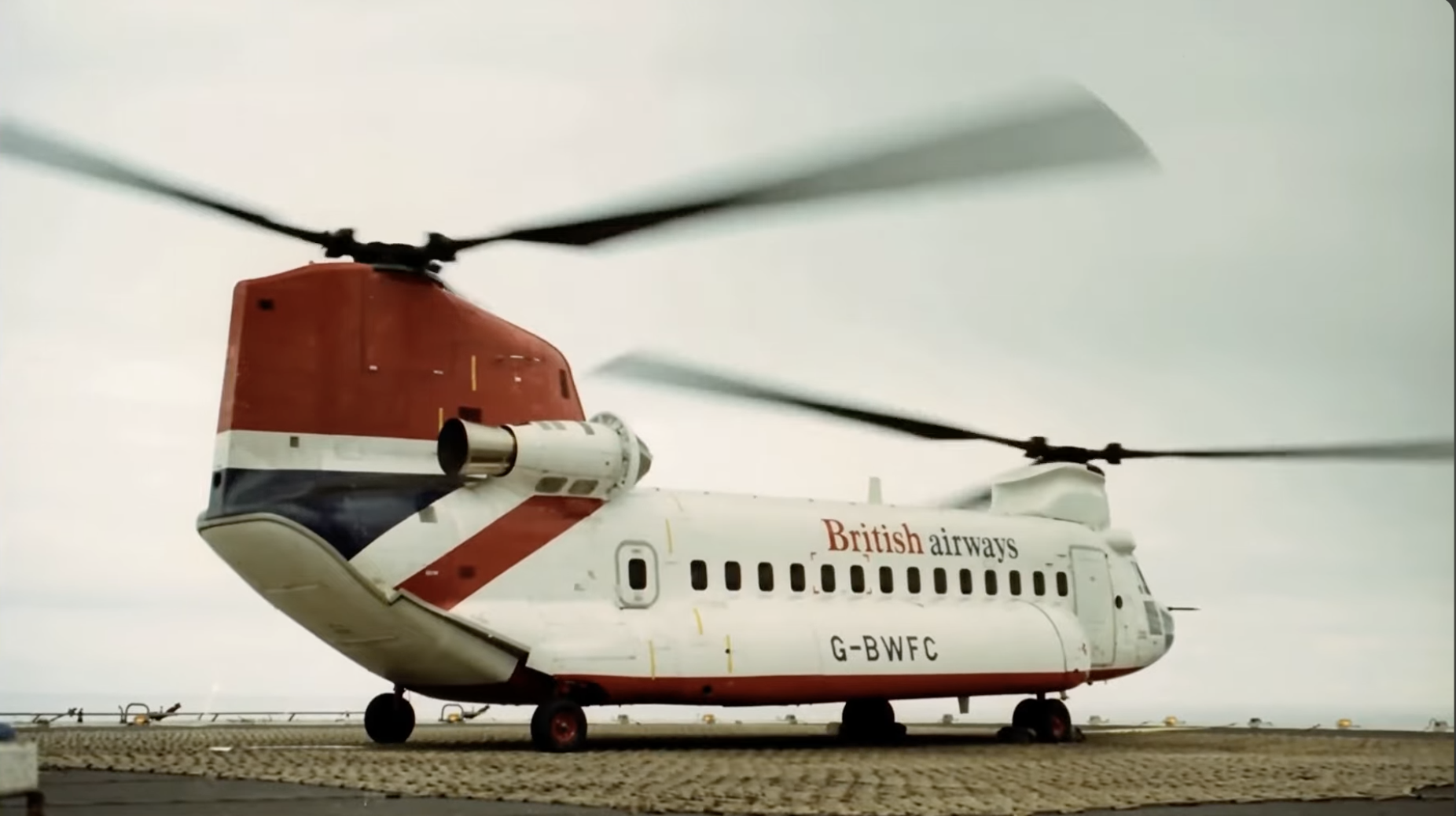
Forty years ago today, on 6 November 1986, 47 offshore workers and crew boarded a Chinook helicopter bound for Sumburgh Airport. Just two would arrive in Shetland alive.
The aircraft suffered a catastrophic gearbox failure as it neared Sumburgh, causing the rotor blades to clash in mid air and the helicopter to plummet tail-first into the sea at 90 knots.
Pushp was one of just two survivors from the crash, with 45 people killed instantly. It remains the UK’s worst helicopter crash four decades later.
While he and Eric Morrans walked away relatively unscathed, the bodies of the remaining passengers were pulled from the North Sea in the days that followed.
“It took some time for me to get over that,” Pushp, who is now 86 and lives in Westhill, Aberdeenshire, tells Shetland News as the 40th anniversary approached this week.





















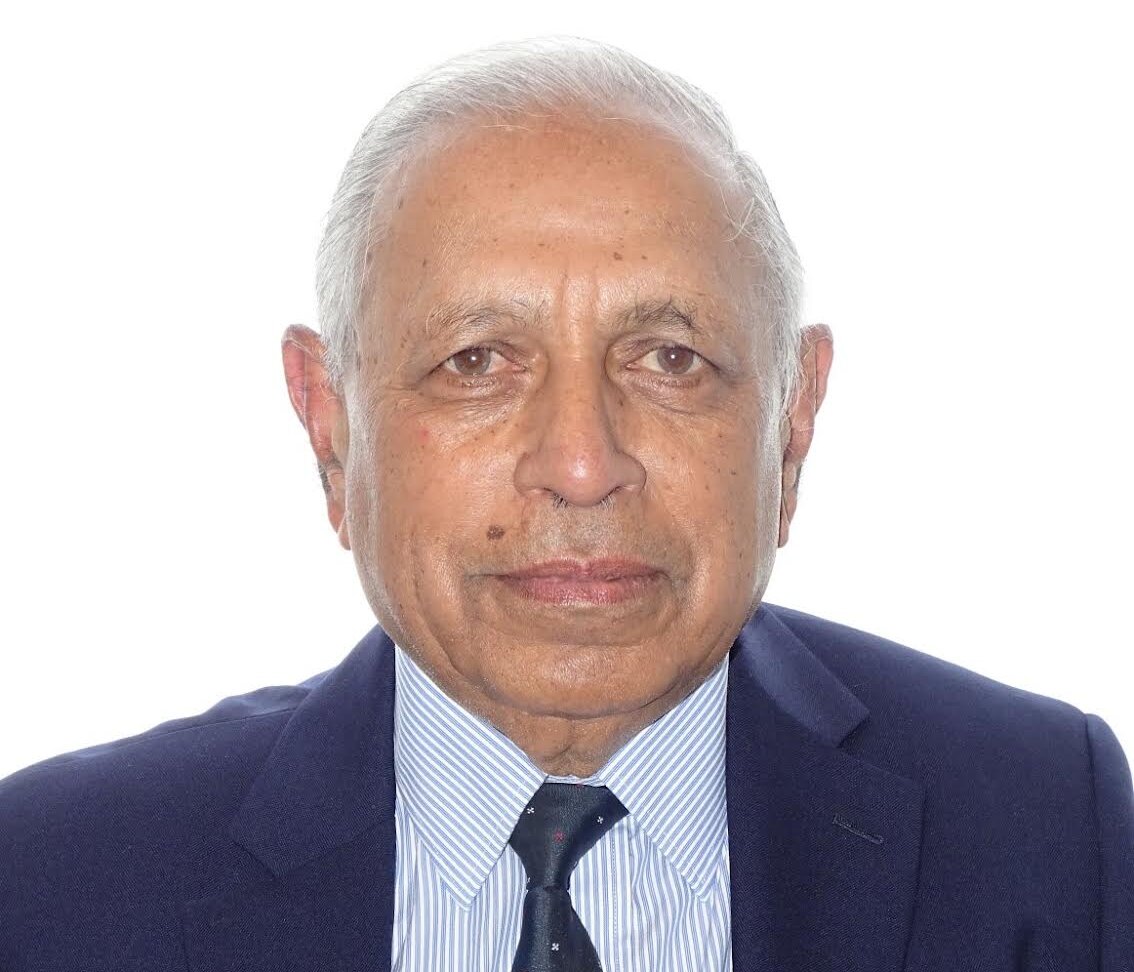
“I felt guilty that I was not killed, that 45 people didn’t make it home and I did.
“It was just pure luck that I survived – there was no reason for me to have come out of that alive.
“For years I thought, ‘how the hell did I come out of that, how the hell did I not die?’”
Pushp was not to blame for the Chinook’s fatal crash in 1986. An investigation found that the front gear had broken, with a previous test programme branded inadequate and an inspection programme found to have failed.
The Chinook helicopter was subsequently pulled from offshore passenger delivery in the years that would follow.
Despite all this, Pushp says it took him a “long time” to come to terms with the disaster and how he was able to survive.
Help keep Shetland’s news open to everyone

Good local journalism takes time, care and people on the ground. Membership helps us keep reporting the stories that matter to Shetland — and keep them free for everyone to read. Members get a weekly newsletter created especially for them, local ads only, and can bookmark stories and join the conversation in the comments.
He now volunteers at “at least 10 different places” to give back to the community, and says a “lot of yoga and meditation” helped him come to peace with what happened.
Looking back on 6 November 1986, Pushp explains that a “loud bang” in the cockpit was the first sign that something had gone wrong on the Chinook helicopter.
“There wasn’t any time for anything to go through my head,” he explains.
“There was no time for me to call mayday.
“About five seconds after the bang, I could see the water right in front of me.”
The rear rotor of the Chinook had snapped off and fallen into the sea, causing the front of the helicopter to rear forward – with Pushp staring right up at the sky – before the cockpit flipped forward and pointed back down at the North Sea.
Pushp explains this was like when you are on a rollercoaster and hurtle down a steep hill before levelling out again.
“I felt like I was at Disney World, when you come down towards the ground, and then everything’s fine and everyone walks off at the end.
“I just hoped that we would level out and we would all walk out.”
Instead the Chinook plunged into the icy cold North Sea, and Pushp says that he was awake throughout the whole ordeal as he made his way to the surface.
Another helicopter had taken off for a training exercise around the same time as the Chinook, so Pushp says “in the back of my mind I knew they would pick me up”.
Around five minutes later, they did – along with fellow survivor Eric Morrans.
Pushp says that at this point he believed everyone had survived the crash.
“Because I came out of the water, I didn’t expect other people to die,” he says.
“I expected everybody to come out.”
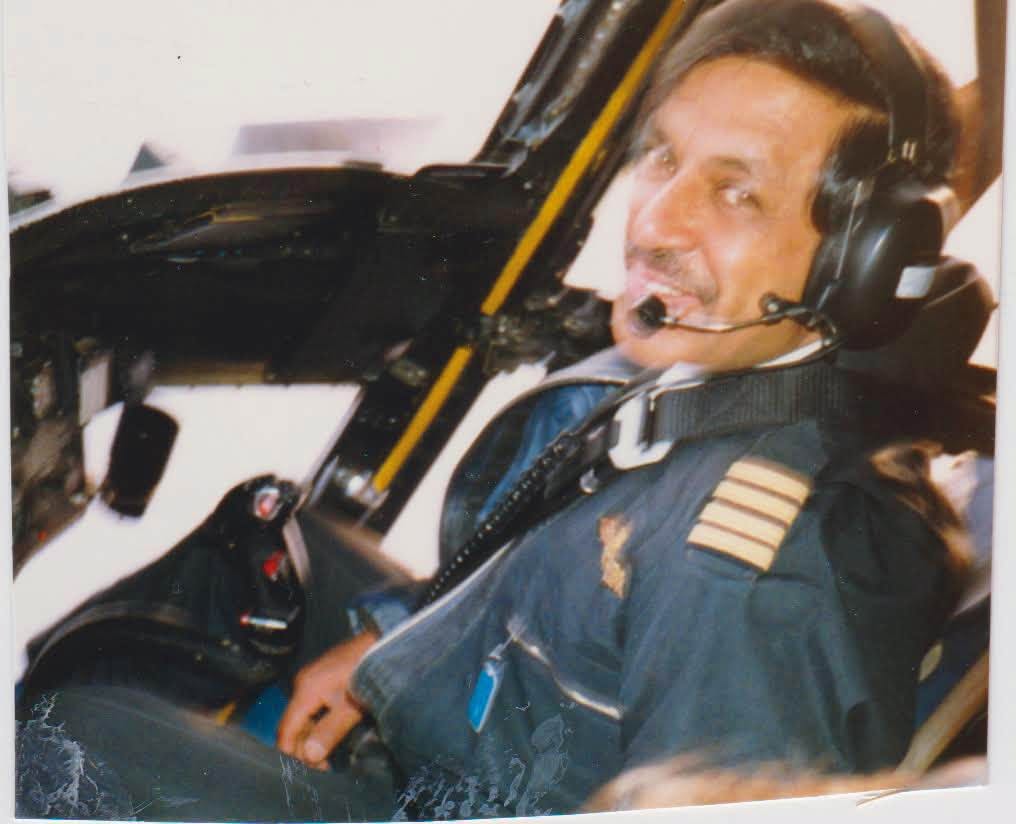
Not only was the water “very cold”, but both Pushp and Eric’s survival suits had not been fully zipped up and filled with icy water.
Only after five minutes on the rescue helicopter was Pushp able to alert someone to what was wrong with them.
“He had to cut off my socks and then all the water ran out,” he says.
“By then my body temperature had dropped, and so had Eric’s. They said our eyes were closing, so they rushed us to the hospital.
“My body temperature had dropped to 33 degrees – that’s pretty low.”
Pushp spent four days at the Gilbert Bain Hospital and was then flown to Aberdeen for further treatment.
It was only during his treatment that he was told of the death toll from the Chinook crash.
“I was very sad,” he says. “I couldn’t get over the fact that so many people had lost their lives.
“The guy who was sitting next to Eric didn’t make it, but he did. There was just absolutely zero reasoning behind it.”
Incredibly, given the ordeal, he returned to work just four months later.
“All I wanted to do was fly – I didn’t know anything else,” Pushp adds.
“The company [British Airways] sent me to psychologists, psychiatrists…all to check my head was still functioning.
“They couldn’t figure out how I was so keen to get back to flying.”
“It was just pure luck that I survived” – Chinook captain Pushp Vaid
He flew for another 21 years after the Chinook crash, and has dedicated his life since to volunteering, writing books and speaking publicly about the incident.
In recent months Pushp has taught himself to use artificial intelligence (AI) video software to create a reconstruction of the accident, to help others understand more clearly what went wrong that day.
He says for years he had found it hard to get across to people exactly how it unfolded – and that the AI video had helped do just that.
A special service will be held in Aberdeen to mark the 40th anniversary of the accident, and Pushp says he was “just so grateful” to be around to commemorate the occasion.
“I’ve been so fortunate that I’m still around to see my wife, to see my grandchildren grow up,” he says.
He spoke to Shetland News not only about the 40th anniversary, but also to thank the people of Shetland for the role they played in the immediate aftermath of the crash.
“I’m sure half of Shetland must have been involved in some way or another afterwards,” Pushp says.
“It seemed like everyone came out to help – it was incredible. They were all absolutely wonderful.”
Now, 40 years later, Pushp will visit Shetland for the first time since he was transferred to Aberdeen hospital after the Chinook crash in 1986.
The former pilot is travelling to Sumburgh next Friday with a German TV company, who are filming a show about people who have survived major accidents.
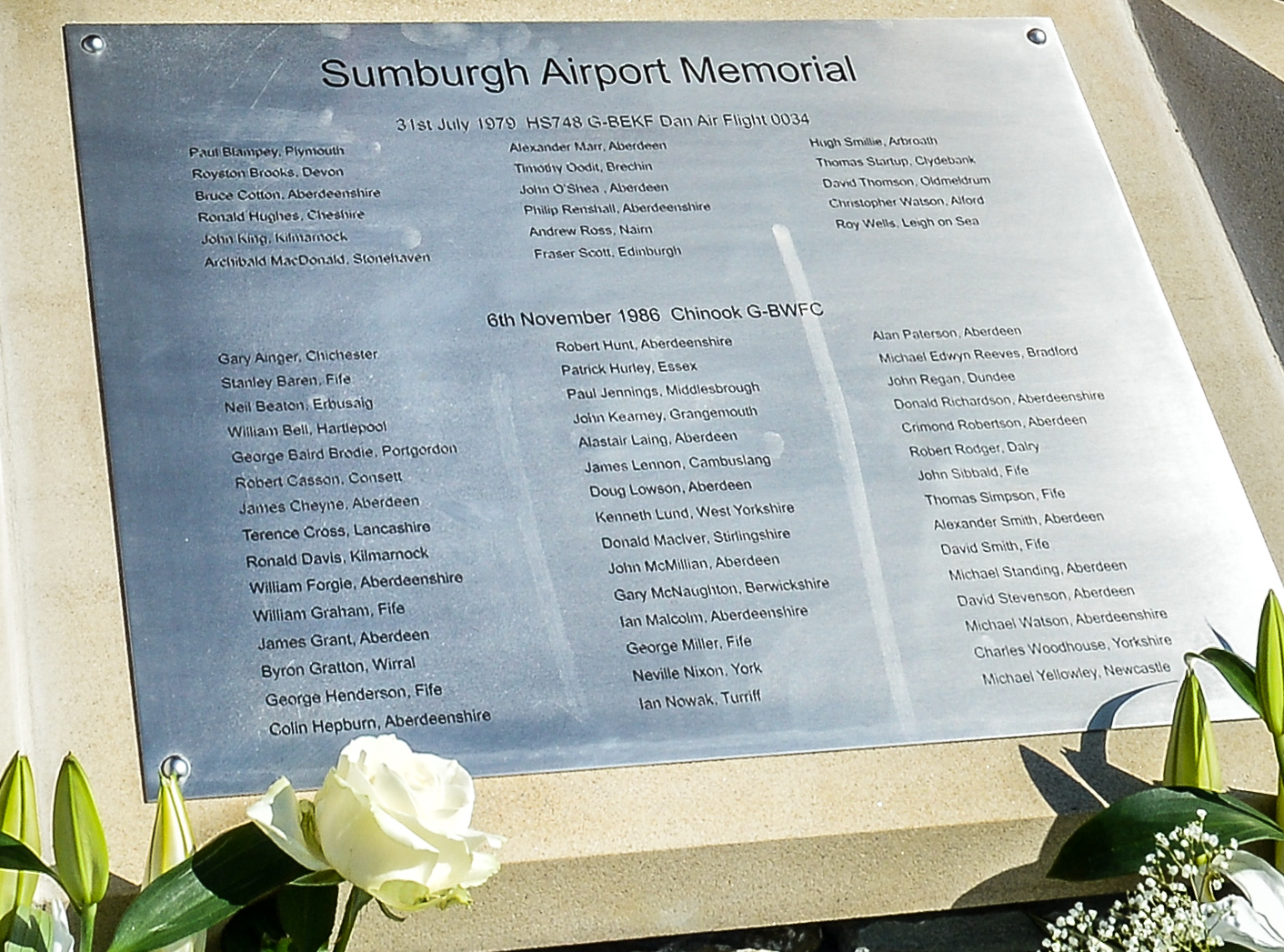
It will allow Pushp to visit the memorial at Sumburgh to those who lost their lives in the Chinook crash.
“I have been meaning to come to Shetland all this time, but I have never got around to it,” he says.
“The memorial is the reason why I have wanted to come. It will be quite something.”
Hillswick GP Susan Bowie – who was working at Levenwick in 1986 – spoke to fellow doctors recently about her involvement in the aftermath of the Chinook crash.
Bowie said she was a “relatively new GP” who was called in to help as bodies were brought ashore to Sumburgh.
She said that she was asked to go and “pronounce life extinct” as bodies were recovered, adding it was a “job that became more and more harrowing”.
Ten years ago – on the 30th anniversary – our reporter Chris Cope spoke to Captain Gordon Mitchell about the rescue efforts after the Chinook crash. You can read that here.
Keep Shetland’s news open to everyone
Your membership helps us report the stories that matter to Shetland — and keep them free for everyone to read.