Tackling inequalities at the heart of creating the new Shetland Partnership plan


DID you know that there are households in Shetland claiming every benefit entitlement available – on top of wages – but are still unable to afford essentials?
Or that 22 per cent of people accessing parcels from the Shetland Foodbank in the last financial year were children?
These are some of the statistics, facts and figures given to members of the Shetland Partnership when they were discussing the theme of Inequalities at a meeting in June.
It is one of a number of topics being discussed by members of the partnership as they work on creating the new plan for the next 15 years, which will shape strategic decision-making in the isles.
The meetings are attended by a whole host of strategic organisations – from the SIC, NHS and Highlands and Islands Enterprise, to Shetland’s various trusts, emergency services, as well as community councils and community development groups.
One key theme from the inequalities session, however, was that figures do not always tell the whole story in Shetland.
























While there is low unemployment, for instance, the higher cost of living can push up the number of households who are struggling.
Compared to an urban UK household, it costs up to 26 per cent more to reach an acceptable standard of living in Lerwick, up to 33 per cent more for households within commuting distance of town, and up to 62 per cent more for households in the most remote parts of the islands.
In 2025/26 the average debt per case dealt with by Shetland’s Citizens Advice Bureau (CAB) was just over £11,000, which is much higher than the Scottish average.
Meanwhile around 20 per cent of local CAB cases were in full-time employment.
Loneliness is also an issue too, with over half of 18-29 year olds reporting feeling lonely in the previous two weeks in a 2021 survey.
Help keep Shetland’s news open to everyone

Good local journalism takes time, care and people on the ground. Membership helps us keep reporting the stories that matter to Shetland — and keep them free for everyone to read. Members get a weekly newsletter created especially for them, local ads only, and can bookmark stories and join the conversation in the comments.
But inequality in Shetland is not always as visible as it may be in other parts of the country.
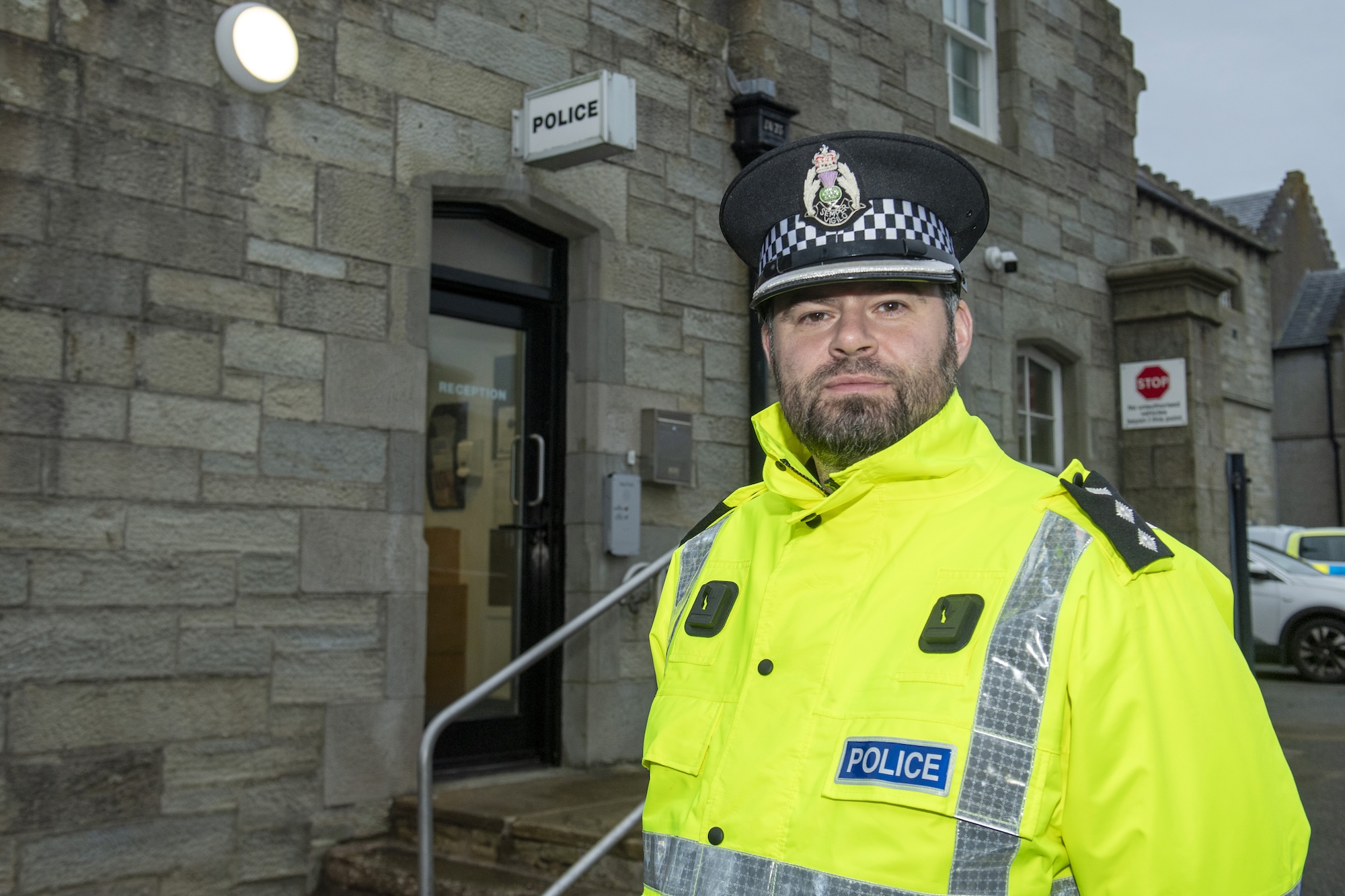
At June’s meeting the Police’s Shetland Area Commander Chief Inspector Chris Sewell helped to deliver a presentation on Inequalities.
Reflecting on the session, he said he would argue that tackling inequalities should run through “everything we do as a partnership, rather than being treated as a standalone issue”.
“One of the things that became clear when we started looking at the evidence was the contrast between how Shetland appears statistically and the reality experienced by some people living here,” Sewell continued.
“We have exceptionally high employment levels (in comparison to other areas of Scotland), low unemployment, relatively high household incomes and some of the lowest recorded crime and child poverty figures in Scotland.
“On the surface, Shetland looks like a prosperous place to live. But those headline figures can mask some quite significant inequalities.”
Sewell pointed to the cost of living in Shetland, which encapsulates issues like higher food and goods prices, energy bills and the cost of travel.
“I think the important thing is that we don’t allow our overall success as a community to make us complacent about the experiences of those who are struggling,” he added.
“The next Partnership Plan is an opportunity to recognise those inequalities, understand what is driving them and, importantly, agree what we can collectively do to address them.”
Sewell said that folk often think of deprivation in terms of “particular neighbourhoods or communities, where there are obvious signs of disadvantage”.
But in Shetland, inequality is often “dispersed across our islands and can even exist within families, households and between neighbours”.
The police chief also said inequalities are not just about money. “It’s about access to opportunities, services, education and employment. It’s about disability, age, gender, race and sexuality, and whether people feel included, valued and able to participate fully in their communities,” he said.
From a policing perspective, Sewell said Shetland has the lowest recorded crime rate of any local authority area in Scotland – something to be proud of.
“But when you start looking beneath those figures, you discover experiences that aren’t necessarily reflected in the statistics,” he continued.
“For example, research by Shetland Women’s Aid found that more than half of the women who responded to its survey had experienced discrimination, including sexual harassment or violence.
“We also heard about people experiencing verbal abuse because of their race or religion, much of which goes unreported.”
Sewell also pointed to the figures around loneliness among younger people.
“These are important issues because they remind us that having a relatively safe and prosperous community doesn’t automatically mean everyone feels safe, included or supported.”
He said policing has an important role to play in tackling inequalities, “although we have to be realistic about what we can achieve on our own”.
“A lot of the time, policing is dealing with the consequences of inequality rather than the underlying causes,” Sewell said.
“We see the impact of poor mental health, substance misuse, family difficulties, social exclusion and a lack of opportunity.
“We encounter people who are vulnerable, people who become victims of crime and people who become involved in offending behaviour.
“But it’s important that we don’t simply deal with the incident in front of us and lose sight of the wider circumstances.”
Sewell also said partnership working is “absolutely essential” to addressing some of the wider issues.
“Through our day to day contact with people, we see some of the challenges facing individuals and families, sometimes at their most difficult moments,” he said.
“We have insight into vulnerability, crime, substance misuse, domestic abuse, antisocial behaviour and community safety.
“That information can help us understand where some of the pressures are, but it also helps us recognise where other services and partners might be able to make a difference.
“Equally, we have to recognise that policing cannot solve these problems in isolation.
“If we want to address the underlying causes of inequality, we need to work with stakeholders that have different responsibilities, expertise and resources.”
Also involved in the Partnership is Shetland Arts, the charity which brings perspective from the arts and culture sector to the process.
Its Chief Executive, Graeme Howell, said people are aware of “how wealthy Shetland is a community, and its high employment, but it doesn’t mean people aren’t struggling”.
He added that the “fact that we’re all in that same space together looking at the same data and being reminded of the challenges our community faces, is really important”.
“For a community that has such community wealth, I think those can be quite challenging numbers to look at,” Howell said.
When it comes to the arts, he said everyone should have not only the right but the ability to take part in the cultural life of their community.
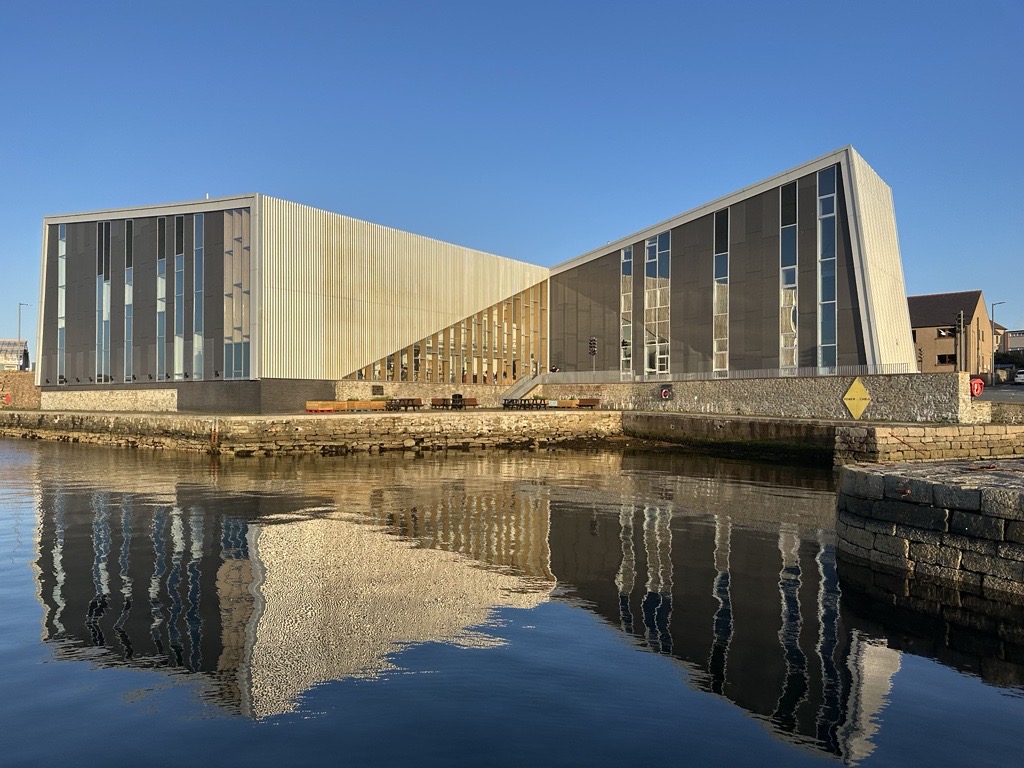
Howell added that Shetland Arts is keen to remove as many barriers as it can to arts and culture.
He also pointed to a series of film screenings which have supported the Shetland Foodbank as a way the arts agency has collaborated with other organisations.
Shetland Arts operates to six social outcomes, including inclusion/equality, community resilience and quality of life, which have been developed with strategies in mind from the Shetland Partnership as well as the charity’s funders Shetland Charitable Trust and Creative Scotland.
Referring to the process to create the next Shetland Partnership plan, Howell said: “I think it’s really important that the creative and cultural perspective is fed in during a planning process, and it’s incredibly important that we’re influenced by all the conversations that go on in the room.
“It’s a really interesting room of agencies, community councils, councillors – just a really significant spread of everyone who is working towards making Shetland what we all want it to be.”
Meanwhile also in attendance at the inequalities session was Alice Ritch from the Bigton Collective, the community organisation which runs Hymhus in the South Mainland village.
She said the vision of Hymhus – a former church transformed into a multi-use space and a second hand shop – is to offer a range of creative activities where everyone can feel welcome and included.
“At the heart of our work at Hymhus is the principle that everyone can participate in and respond to music, regardless of age, background or disability,” Ritch said.
“Although Shetland is generally a welcoming, caring community, when people share their experiences we hear that they often feel judged, misunderstood and isolated.
“Hearing the wider statistics that the partnership plan team presented around cost of living and other inequalities reinforced the stark reality of the struggles that we know people are experiencing every day.”
Ritch said it is clear there are “large systemic changes outwith our control” but the summer session on inequalities “confirmed how grass-roots community organisations like ours can also play a part and make a big difference to people’s lives”.
“Smaller organisations are perhaps better placed to pay attention to individual needs, listen compassionately and understand the nuances of the barriers that people are experiencing,” she said.
“We hope in the long term the partnership plan will lead to even more links, collaborations and meaningful integration of services and that the value of creative activities to support health, well-being and social cohesion is recognised.
“Every single person in Shetland should have the opportunity to develop their creative voice and to connect with others in whatever way suits them best.”
More information on the Shetland Partnership session on inequalities, including a summary of how it went, can be found online.
Shetland News is running a series of features on each of the main topics being discussed in the creation of the next Shetland Partnership plan. An initial scene-setting piece can be found here.
The next feature will focus on the topic of biodiversity and the climate.
Keep Shetland’s news open to everyone
Your membership helps us report the stories that matter to Shetland — and keep them free for everyone to read.