


Anger after Norwegian trawler lands half of Shetland’s saithe quota in one trip

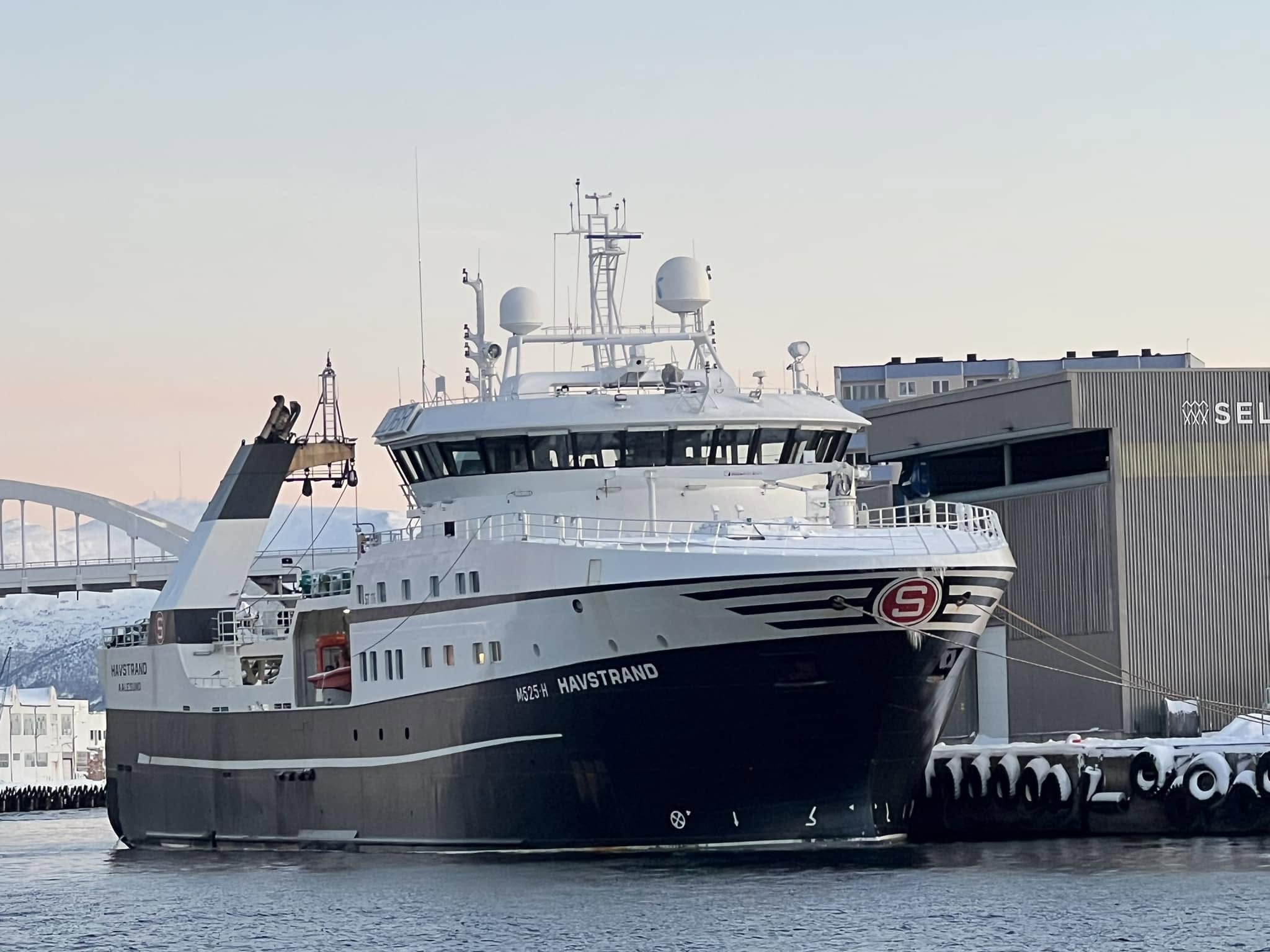
SHETLAND’S fishing association has demanded immediate action after a Norwegian trawler was able to land more than half Shetland’s annual saithe quota in one trip.
The Shetland Fishermen’s Association (SFA) said its members wanted urgent government action to stop the growing scale of Norwegian fishing in UK waters.
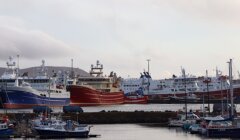
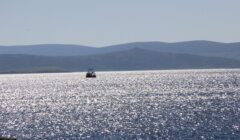
It comes after the 70-metre Norwegian trawler Havstrand landed 787 tonnes of saithe at Ålesund on 17 August, which was caught during a fishing trip around Shetland.
The SFA said that catch represented nearly 12 per cent of the UK’s entire North Sea saithe quota for 2026.
It comes in a year when Scottish fishermen have already faced a 25 per cent cut in their quota for the species, with a further 20 per cent cut proposed for next year.
The SFA said the landing was a “stark illustration of a much wider imbalance in the fishing access arrangements between the UK and Norway”.


























Each country is currently permitted to catch up to 30,000 tonnes of whitefish in the other’s waters. However in 2025 Norwegian vessels caught 22,581 tonnes of whitefish in UK waters, compared with just 9,496 tonnes caught by UK vessels in Norwegian waters.
The SFA said that Norwegian saithe catches in UK waters had almost doubled between 2024 and 2025 – reaching almost 16,000 tonnes – with much of the activity concentrated around Shetland.
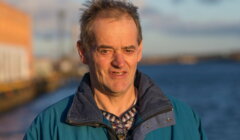
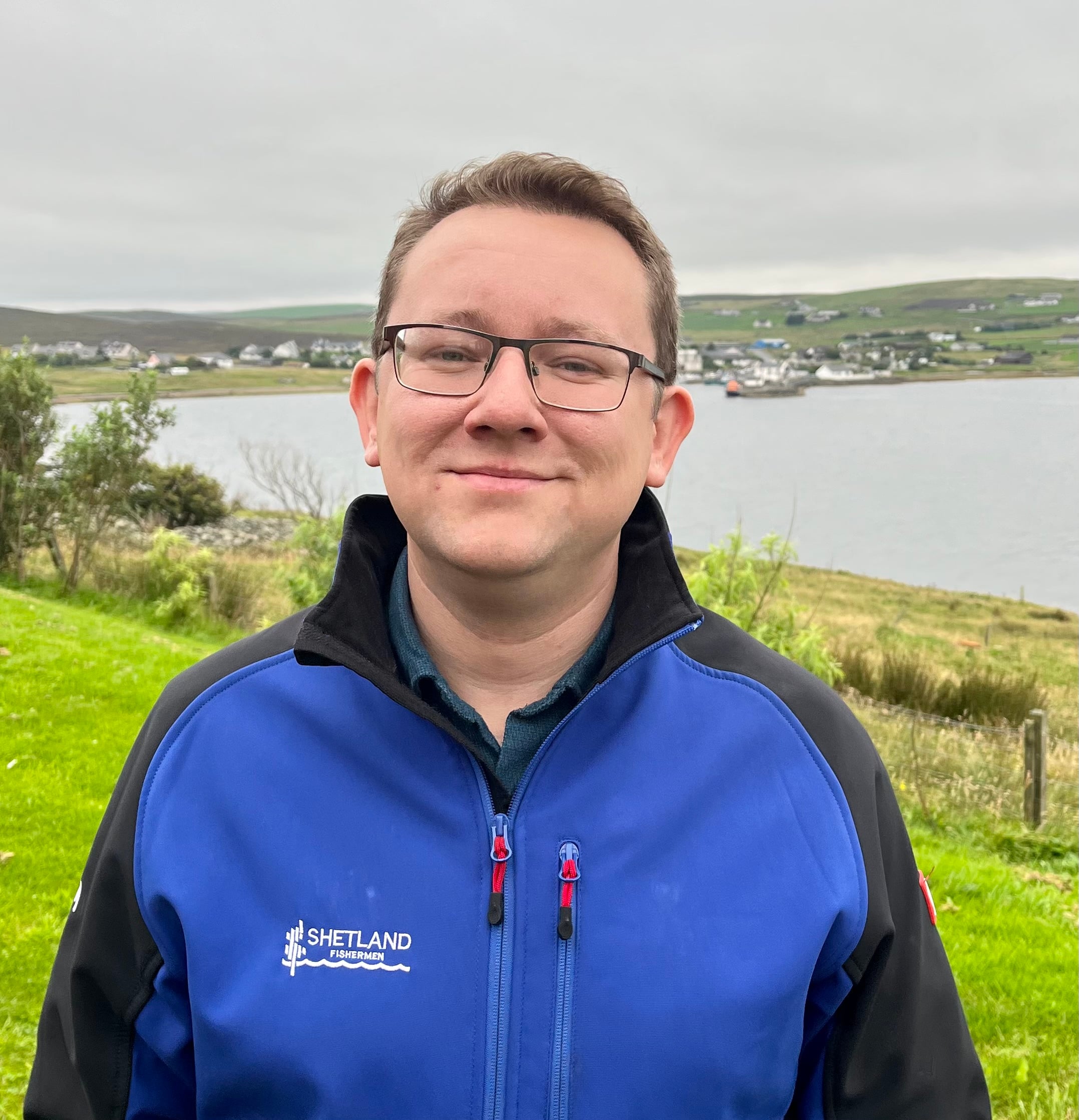
SFA executive officer Daniel Lawson said: “These figures should be a wake-up call for both the UK and Scottish governments.
“At a time when our own fishermen are being asked to accept substantial quota reductions to protect fish stocks, enormous Norwegian freezer trawlers are being allowed to catch vast quantities of the same fish in the waters around Shetland.
Help keep Shetland’s news open to everyone

Good local journalism takes time, care and people on the ground. Membership helps us keep reporting the stories that matter to Shetland — and keep them free for everyone to read. Members get a weekly newsletter created especially for them, local ads only, and can bookmark stories and join the conversation in the comments.
“One Norwegian vessel has landed more than half Shetland’s entire annual saithe quota in a single trip.
“That ought to make everyone stop and question whether the present arrangements are serving the interests of Scotland’s fishing industry and coastal communities.
“Nobody is suggesting that the Norwegian vessels are breaking the rules. They are operating legally under agreements made by our own government.
“The question is whether those agreements are fair, sustainable or remotely in the interests of our fishing communities.”
The SFA also raised concerns about the size and catching power of the Norwegian freezer trawlers operating around Shetland.
Many are between 50 and 80 metres long, compared with a maximum of approximately 28 metres for Shetland’s whitefish vessels. There are no freezer trawlers in the Scottish whitefish fleet.
The association said there were also concerns about the quantities of smaller-sized saithe being caught, with industry landing data indicating that much of the Havstrand‘s catch consisted of fish which could have grown to greater size and value if left in the sea.
The UK and Norway have already agreed to review the 30,000-tonne whitefish access arrangement, and the SFA is now calling for that review to result in a lower catch limit which better reflects the actual level of UK fishing activity in Norwegian waters.
It is also demanding more robust monitoring and enforcement of Norwegian fishing activity by the Scottish Government, alongside consideration of management measures to address the concentration of fishing effort around Shetland.
Lawson added: “At present the balance of advantage is overwhelmingly in Norway’s favour.
“There is also a fundamental question of fairness. Scottish fishermen are repeatedly asked to make sacrifices today so that fish stocks can recover for tomorrow.
“But what incentive is there to make those sacrifices if the benefits of conservation are increasingly being harvested by much larger foreign vessels?
“These fish stocks are an extraordinary natural resource, and they should be managed sustainably for the benefit of the communities which depend upon them.
“Both governments need to ask themselves a very simple question: who is getting the good of Scotland’s fish, and why isn’t it Scotland?”
Keep Shetland’s news open to everyone
Your membership helps us report the stories that matter to Shetland — and keep them free for everyone to read.