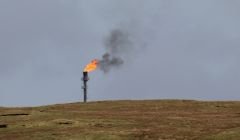

Fishermen and bus operators among those feeling pressure of high diesel price
Local price for diesel is said to have risen by one third since the US-Iran conflict started in February

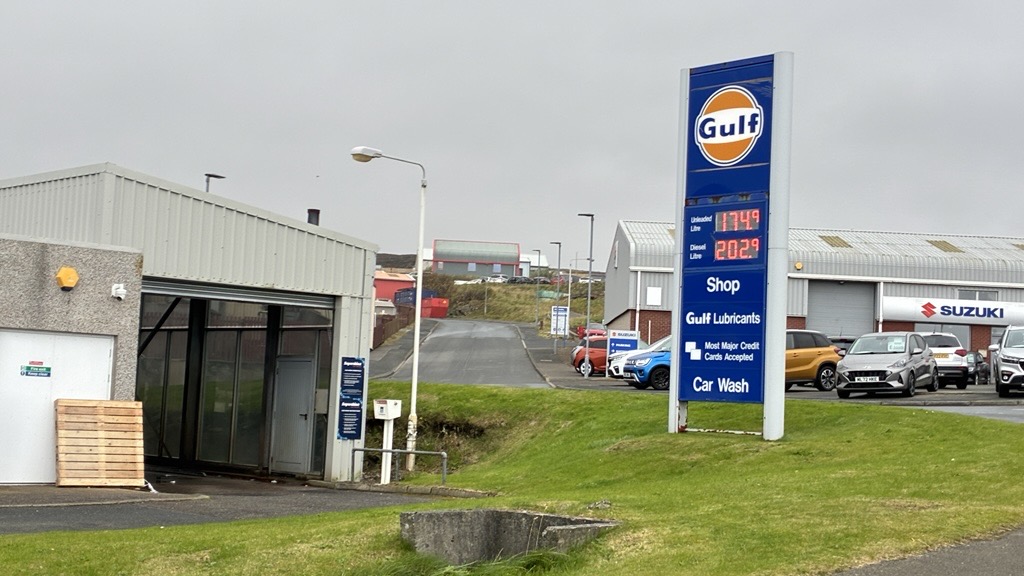
THE LATEST surge in diesel prices is said to be putting serious pressure on Shetland’s fishing fleet.
Shetland Fishermen’s Association executive officer Daniel Lawson said fuel costs are “threatening the viability of individual fishing trips”.
Meanwhile Sonia Robertson of bus company R. Robertson & Son Ltd said the continued rise in fuel costs is worrying – “particularly as there doesn’t appear to be any sign of prices easing just now”.
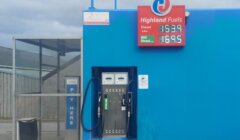
The cost of diesel at fuel pumps in Shetland has bypassed £2 a litre, with petrol prices also high.

Continued conflict in the Middle East has seen fuel costs rise again – an ongoing theme since earlier in the year when the US-Iran war first began, with prices at the pumps fluctuating.
Lawson said that while the general public as well as other food producers are also affected by rising costs, fishermen are faced with an additional challenge.
























He said this comes via competing directly with EU vessels “fishing in our waters and benefitting from government subsidy”.
“Fishing businesses in at least eight EU member states are now enjoying fuel-cost support,” Lawson said.
“The UK Government agreed a further 12 years of EU access to our waters and must now ensure that UK fishermen can compete on a level playing field, in the interests of domestic food production and food security.
“The UK Government’s £360 million Fishing and Coastal Growth Fund was announced alongside that access agreement.
“It’s currently funding engine and gearbox replacements for vessels in England to improve efficiency and reduce fuel use.
“Equivalent support should be made available immediately to vessels throughout the UK, helping fishing businesses reduce costs and remain economical against subsidised EU competitors.”
Help keep Shetland’s news open to everyone

Good local journalism takes time, care and people on the ground. Membership helps us keep reporting the stories that matter to Shetland — and keep them free for everyone to read. Members get a weekly newsletter created especially for them, local ads only, and can bookmark stories and join the conversation in the comments.
Robertson meanwhile confirmed that all of her company’s buses run on diesel.
“Fuel is obviously a significant operating cost for us given the mileage our fleet covers every day,” she said.
“Even relatively small increases at the pump quickly add up across the whole fleet.
“Like every operator, we’ll continue to manage costs as efficiently as we can, but sustained increases in diesel prices inevitably put further pressure on the cost of delivering services.”
The topic also got an airing at a meeting of Shetland’s transport partnership ZetTrans this morning (Wednesday), with chair councillor Moraig Lyall questioning if more people might use the public bus service if fuel costs continue to rise.
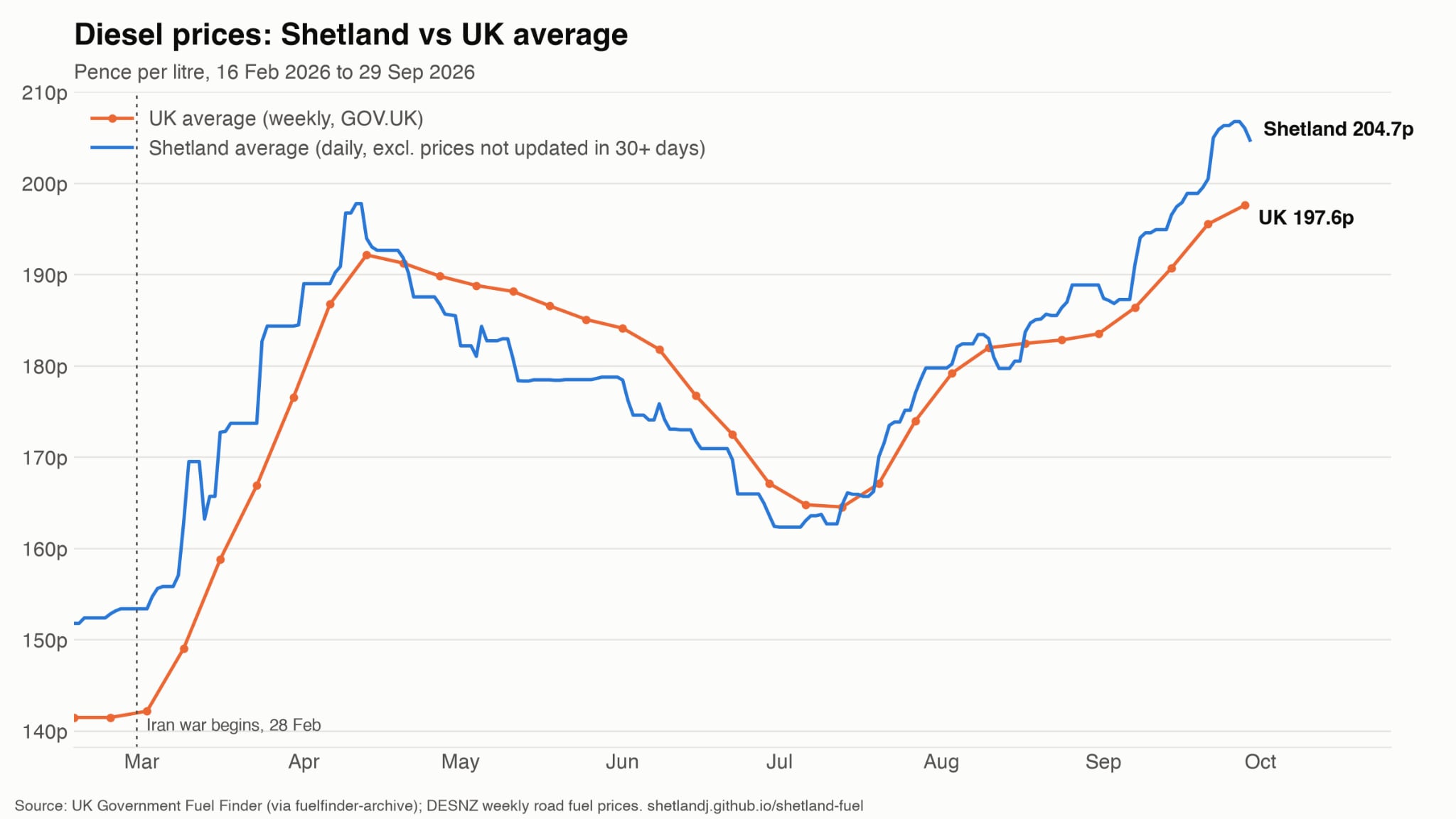
Meanwhile a local tech whizz has created a website which brings together publicly reported data on the price of fuel at pumps in Shetland.
James Stewart’s website charts the changes in fuel costs since the US-Iran conflict at the end of February, pitting it against UK averages, while there are also figures for Orkney.
It shows a clear rise after the conflict began, with prices lowering in the summer before rising gradually since the end of July.
The website suggests the average price of diesel in Shetland is now more than 200p litre – a rise of 32.5 per cent since the US-Iran conflict.
For petrol the current average price in Shetland is listed as 177.2p a litre, which is up 15.2 per cent since the start of the conflict.
Fuel costs also rose sharply after Russia’s invasion of Ukraine in 2022.
Keep Shetland’s news open to everyone
Your membership helps us report the stories that matter to Shetland — and keep them free for everyone to read.