
Rise in bird flu leads to Scotland-wide protection zone being introduced


A SCOTLAND-wide bird flu prevention zone has been declared following an increase in avian influenza across wild and captive birds.
From 12 noon today (Tuesday), it will be a legal requirement for all bird keepers in Scotland to follow strict biosecurity measures to help protect their flocks from avian flu.
Scotland chief veterinary officer Sheila Voas said the prevention zone was necessary to mitigate the risk of the disease spreading among poultry and other captive birds.
The Scottish Government said surveillance showed the highly pathogenic virus is circulating in wild birds across the UK.
It said the risk to poultry and other captive birds is currently assessed as very high.
There have been six cases of bird flu in kept birds in Great Britain this season (October-April), two of which were in Scotland – one on the Isle of Lewis and one in an egg producer in the Scottish Borders.
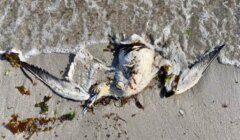
However, since 21 October nine of the 65 dead wild birds in Great Britain have tested positive for avian influenza.


























Of these, 56 were from England, eight from Scotland and one from Wales.
There has also been an increase in poultry outbreaks across Europe in recent weeks, including in Belgium, Germany and Norway.
Public Health Scotland advised that the risk to public health from the virus is very low and Food Standards Scotland said that avian influenzas pose a very low food safety risk for consumers.
Properly cooked poultry and poultry products, including eggs, are safe to eat, it added.
Voas said that while the risk to public health was very low, there was a “heightened risk of an incursion of this virus from migratory birds”.
“It is vital that appropriate precautions are taken to protect poultry and other captive birds from infection,” she said.
“The introduction of this zone is a preventative measure, aimed at minimising the impact this often devastating virus, can have on Scottish kept birds.
“Maintaining strict biosecurity is the most effective method of protecting birds from the virus.”
Keep Shetland’s news open to everyone
Your membership helps us report the stories that matter to Shetland — and keep them free for everyone to read.