


‘Significant’ decline in puffins predicted due to climate change

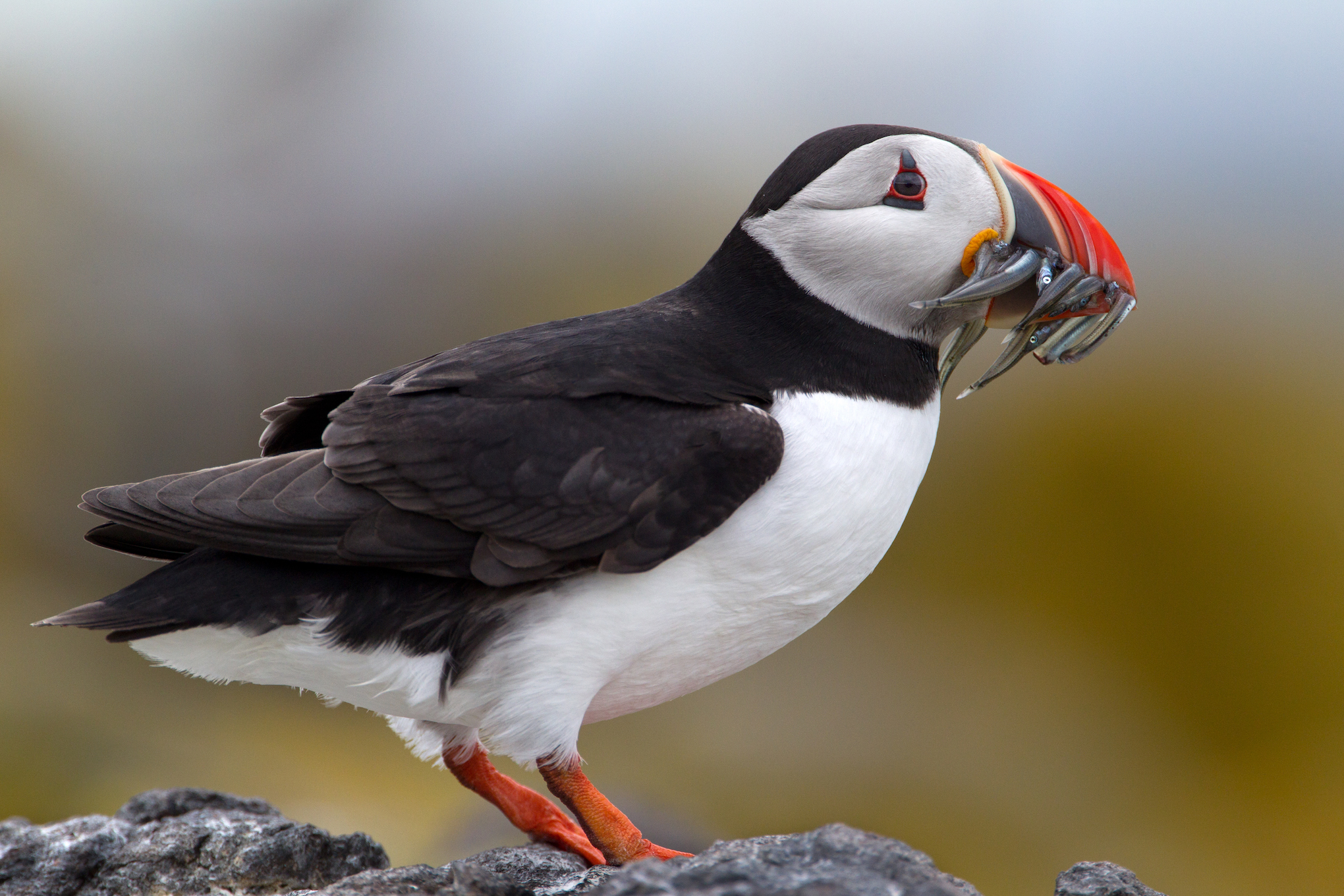
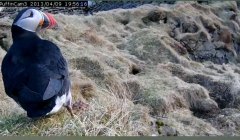
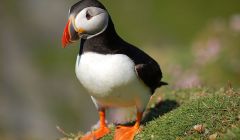
PUFFIN populations are likely to decline “significantly” by 2050, according to research from the British Trust for Ornithology (BTO).
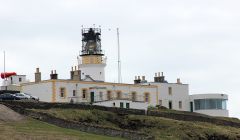
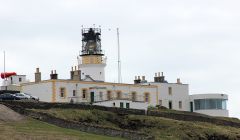
The charity said the seabirds, which are synonymous with Shetland and the Sumburgh Head cliffs, are one of 10 species set to suffer long-term effects on their populations as a result of climate change.
It is predicting that warming air and rising sea temperatures will reduce food availability and drive extreme weather events in the years to come.
Arctic terns and fulmars are among the other species facing “startling declines”, the BTO has said.
One of the biggest concerns for scientists with the charity is the decline in sandeels, which are a major source of food for especially young seabirds.
“The lack of these fish in nearby waters during the breeding season has resulted in poor productivity, as the adults fail to find enough food for their growing chicks,” the BTO said today (Friday).


























“Over-fishing and changes in climate are significant drivers in the loss of the sandeels, particularly in the North Sea.
“An increase in extreme winter storms, exacerbated by climate change, has also resulted in high mortality of puffins and other seabirds”.
The charity said however that “all is not lost”, and that multiple organisations were working hard to reverse the “potentially catastrophic” population declines.
BTO senior research ecologist Nina O’Hanlon said: “There are several fantastic projects working to change the fortunes of puffins across the UK, from habitat management to removing non-native invasive predators.
“Monitoring puffin numbers and breeding success is key to see how effective these actions are in increasing the resilience of this iconic seabird in the face of climate change.”
Erin Taylor, BTO’s seabird monitoring programme organiser, added that they were working hard to track puffins in real time to and assess the ever-changing conditions they were facing.
In addition to Sumburgh Head, tammie norries can also be seen in Shetland in areas like Hermaness, Fair Isle and Noss.
Keep Shetland’s news open to everyone
Your membership helps us report the stories that matter to Shetland — and keep them free for everyone to read.