


The challenge is: ‘do we provide a service or do we not?’
Health board chair Gary Robinson responds to news that one clinician earns £375,000 a year

THE CONSEQUENCES of not providing a comprehensive health service would be far greater for the community than employing expensive clinicians – even if one has been costing £375,000 a year.
NHS Shetland chair Gary Robinson said the health board was at the “sharp end of the recruitment challenge” and was finding it “extremely difficult” to find clinicians with a generalist skill set.
He was responding to the news that one such consultant for general medicine – employed as a locum and paid an hourly rate – is costing the health board almost £400,000 annually.
Health board defends £375,000 salary for clinician with ‘generalist’ skills set
Meanwhile, Green councillor Alex Armitage, who works as a paediatrician for NHS Shetland, said no-one in an organisation such as the health board should be on more than three times that of the lowest paid.
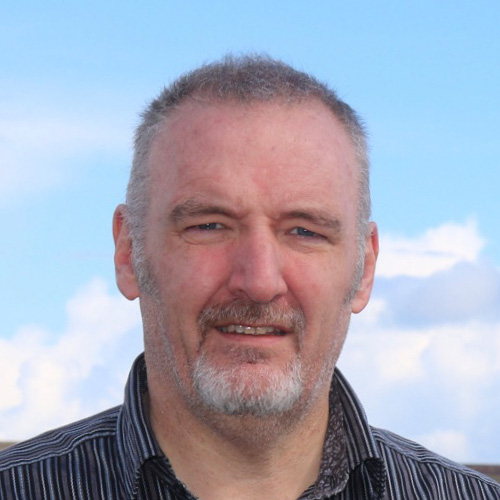



















Speaking to Shetland News on Tuesday, Robinson said the health board was at the forefront of an initiative that would see more students trained as generalists, suitable for remote and rural health provision.
“NHS Shetland is one of the smallest health boards, and we arguably have the greatest needs for generalists not just because we are remote and rural but also because we are an island health board,” he said.
“The challenge for us is; do we provide a service or do we not?
“The consequences for the community of not providing a service are much greater than employing someone, even at those terms.”
He added that transferring patients to the Scottish mainland, including the use of the air ambulance service, would be more expensive than employing clinicians at inflated rates.
He said Scotland could learn from Japan where in order to have a career in medicine, Japanese universities mandate placement in the country’s many islands.
Help keep Shetland’s news open to everyone

Good local journalism takes time, care and people on the ground. Membership helps us keep reporting the stories that matter to Shetland — and keep them free for everyone to read. Members get a weekly newsletter created especially for them, local ads only, and can bookmark stories and join the conversation in the comments.
“There are no easy and no cheap options; in the medium to longer term we do hope there will be more general clinicians available and that will help to bring the costs down,” Robinson said.
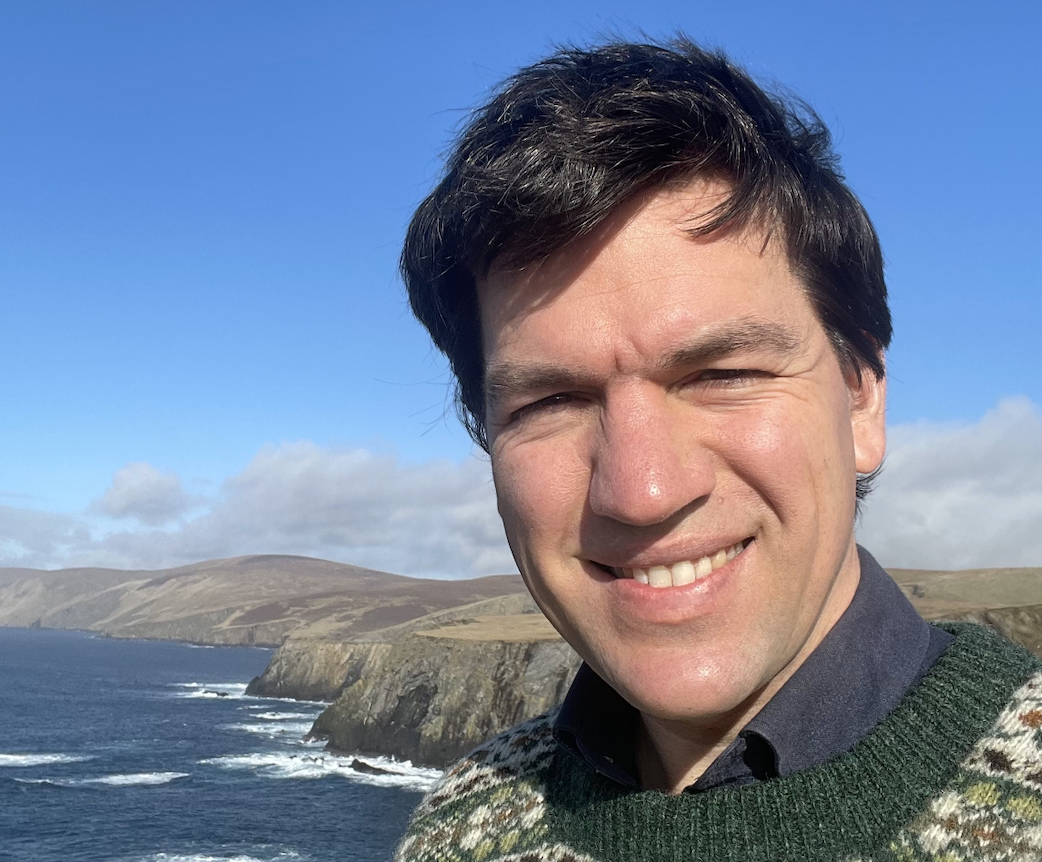
Meanwhile Dr Armitage expressed his surprise that someone at the health board was earning that much.
He said: “I support the policy of 10:1 pay ratios in general, but in the public sector I would personally like to see a smaller difference between the lowest and the highest paid worker.
“I don’t think the highest paid worker in an organisation like the Shetland health service or the SIC should be earning more than three times the wage of the lowest paid.
“Ultimately though, the conversation about income inequality is a distraction from the real conversation that we need to have in Scotland, which is about wealth inequality.
“We need to bring in a wealth tax to redistribute resources to ordinary people, the NHS and cash-strapped councils.”
Shetland MSP Beatrice Wishart called for investment in housing to attract clinicians and other health professionals to the isles.
“Recruitment of healthcare and other professionals in the isles has been an ongoing struggle for many years,” she said.
“What is needed is investment in housing and infrastructure to ensure jobs in communities like ours are attractive places to move to and work in long term.”
Keep Shetland’s news open to everyone
Your membership helps us report the stories that matter to Shetland — and keep them free for everyone to read.