


Call to reduce stigma as drug-related death figures released

PEOPLE have been encouraged to think about how they can help to reduce stigma in the community after new figures for drug-related deaths were released.
Last year there were six drug-related deaths recorded in Shetland, up from four in 2024.
Nationally in Scotland the total figure represents an increase of around 11 per cent from 2024.
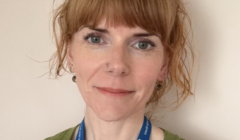
NHS Shetland’s alcohol and drug development officer Wendy Henderson said in data terms, the figures for Shetland are “small numbers”.
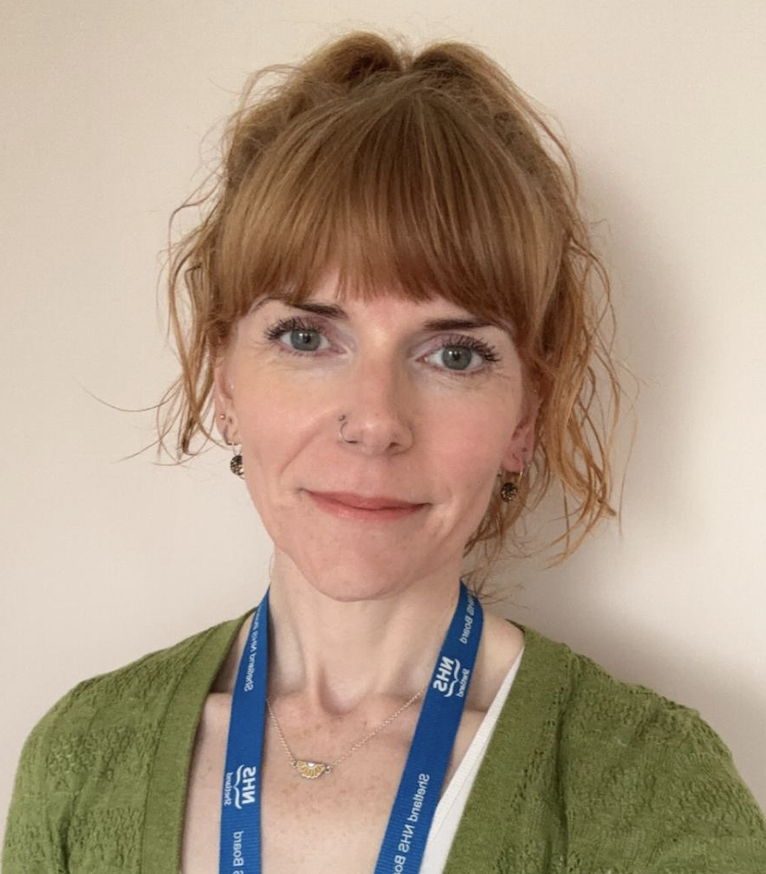
“But these are people who leave behind grieving families, friends and communities,” she said.
“These are people who were loved.”
Henderson said drug use remains “extremely stigmatised, despite the national strategic direction towards treating alcohol or other drug use as a health need”.
“This stigma is felt by individuals and families and hugely impacts people’s ability to seek support and sustain recovery,” she said.
























“We have also heard from bereaved families that it is incredibly difficult to grieve the loss of their loved ones in these circumstances.
“We ask that people take a moment to reflect and think about the role that they could play in reducing stigma and building compassion within their communities.”
The NHS-backed ‘Stigma Kills’ website encourages people to “see the person, hear their story”.
Henderson said people should think about the drivers of substance use – “poverty, trauma, experiencing adversities during childhood, stress, anxiety, mental health problems”.
She encouraged people to “see substance use as a symptom of an underlying cause”.
The biggest risk factor for overdose is said to polydrug use, which is using more than one substance at a time, including alcohol and prescription medication.
Henderson said this is particularly relevant now as “our drug supply is the most unpredictable it has ever been”.
Help keep Shetland’s news open to everyone

Good local journalism takes time, care and people on the ground. Membership helps us keep reporting the stories that matter to Shetland — and keep them free for everyone to read. Members get a weekly newsletter created especially for them, local ads only, and can bookmark stories and join the conversation in the comments.
“Public Health Scotland advises that given the high levels of contamination, people should always assume that their drugs contain substances other than what they are expected to contain,” she explained.
“Therefore, people can be engaging in polydrug use unknowingly.
“Recently, drugs in Shetland have been found to contain nitazenes and medetomidine, which are powerful opioids and sedatives. These substances hugely increase the risk of overdose.”
National figures show that cocaine was implicated in over half of all drug deaths in Scotland in 2025.
Henderson said this is an increase of 23 per cent since 2024.
“We know from anecdotal evidence, that cocaine use in Shetland is very prevalent, so this rise in harm across Scotland is extremely concerning,” she said.
“We would encourage anyone who is at risk of witnessing or experiencing an overdose, to carry naloxone.
“Naloxone is a medicine which temporarily reverses an opioid overdose.
“Information regarding naloxone including where to access it, can be found on the Shetland Alcohol and Drug Partnership website.
“A range of other information, including where to access support is also available on the website.”
The Substance Support and Recovery Service can be found in the Lerwick Health Centre and contacted on 01595 743006.
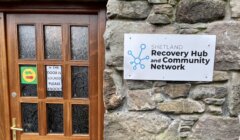
The Shetland Recovery Hub and Community Network is located in Lerwick’s Pitt Lane.
Its phone number is 01595 744402 and email is recoveryhub@shetland.gov.uk.
The Shetland Alcohol and Drug Partnership’s website can be found here.
Information on naloxone, which can reverse the effects of opioid drugs, can also be found here.
Keep Shetland’s news open to everyone
Your membership helps us report the stories that matter to Shetland — and keep them free for everyone to read.