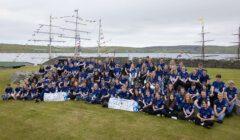

No internet but shooting stars and orcas – life aboard the tall ship Sørlandet
Maddison Reynolds steps aboard the historic Norwegian training vessel to speak to its students

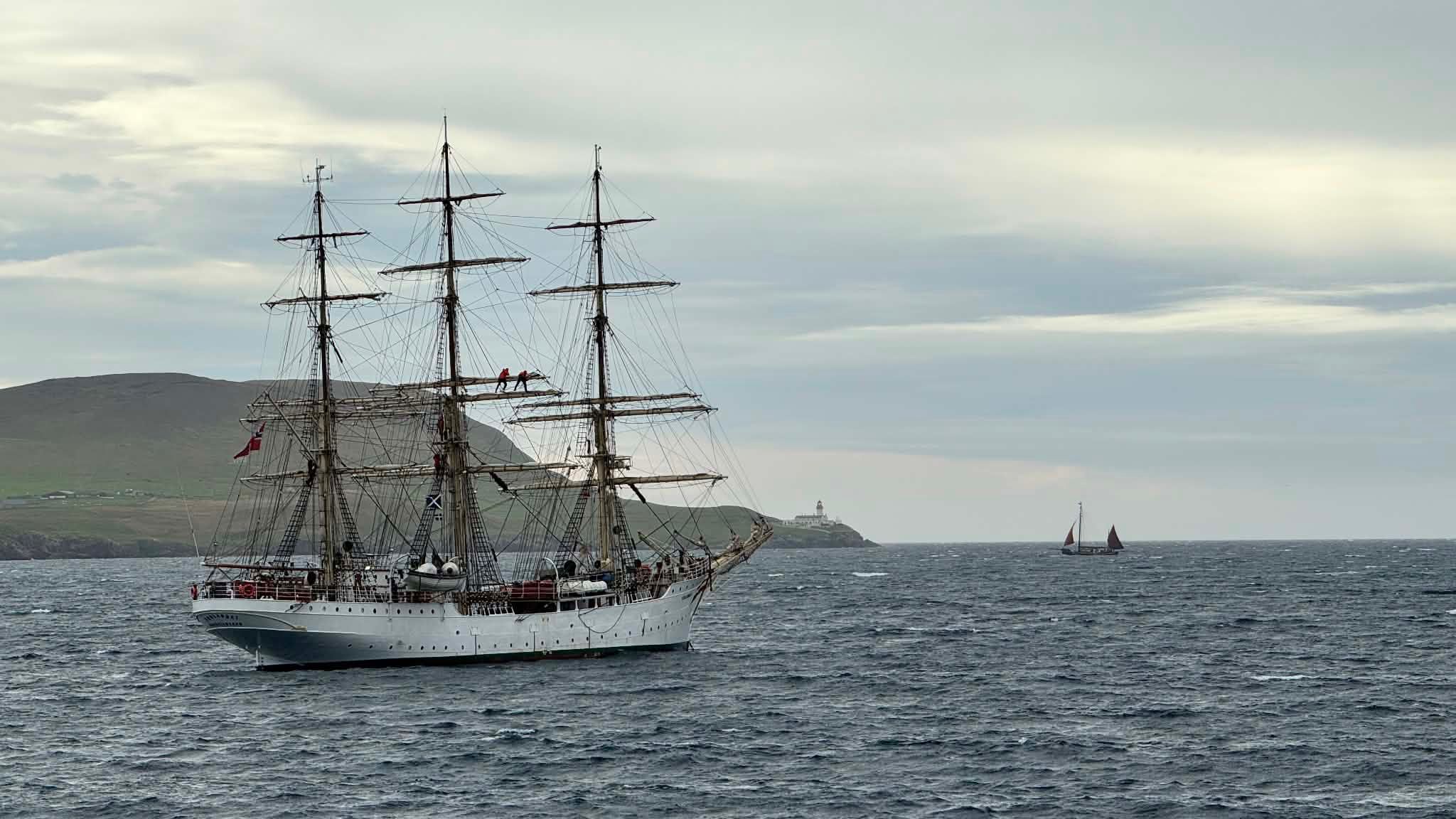
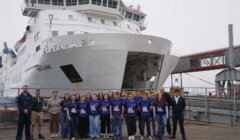
IF YOU have visited Da Street since Sunday, you would have done well to miss the Norwegian tall ship, the Sørlandet, berthed at Victoria Pier.
The ship is a boarding school at sea, offering students between the ages of 15-19 from across the world the chance to complete studies whilst travelling the globe. The A+ World Academy courses are all AP [Advanced Placement] college board approved, with classes teaching general school subjects alongside sail training.
As I waited to get the all clear to board, I was joined by one of the ship’s six teachers, Anna Bauer, who is starting her first full year aboard the ship. Originally from Miami, Florida, she is just as excited as the students for the year ahead.
“It’s a wonderful experience, in that not only do they get to learn about sailing but so much about life,” she said.
The ship’s dean, Paulina Méndez, explains that all students take the S3 course, which is specifically designed for studying aboard the Sørlandet.


























“We have projects designed to focus on reflective pieces, and find that repetition is good way to achieve this,” she said.
“For instance, with Shetland we are visiting St Ninian’s beach, and when we visit Normandy we will visit the beaches there which has a lot of historical significance.”
Coincidentally, the students’ first project for this course is to create a newscast on their visits to Lerwick, Dublin and Saint-Malo in Normandy. They are interviewing locals and exploring each area to learn more about each destination.
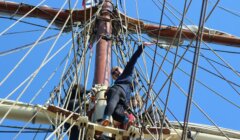
When the students aren’t busy with schoolwork, they take duty on watch or help out in the galley. Each watch is assigned areas of the ship which they must clean, while also partaking in sailing lessons.
Help keep Shetland’s news open to everyone

Good local journalism takes time, care and people on the ground. Membership helps us keep reporting the stories that matter to Shetland — and keep them free for everyone to read. Members get a weekly newsletter created especially for them, local ads only, and can bookmark stories and join the conversation in the comments.
With 72 students aboard hailing from across the globe, it is imperative to keep a strict schedule and clean quarters, as well as fostering a conscientious community on board.
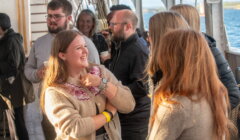
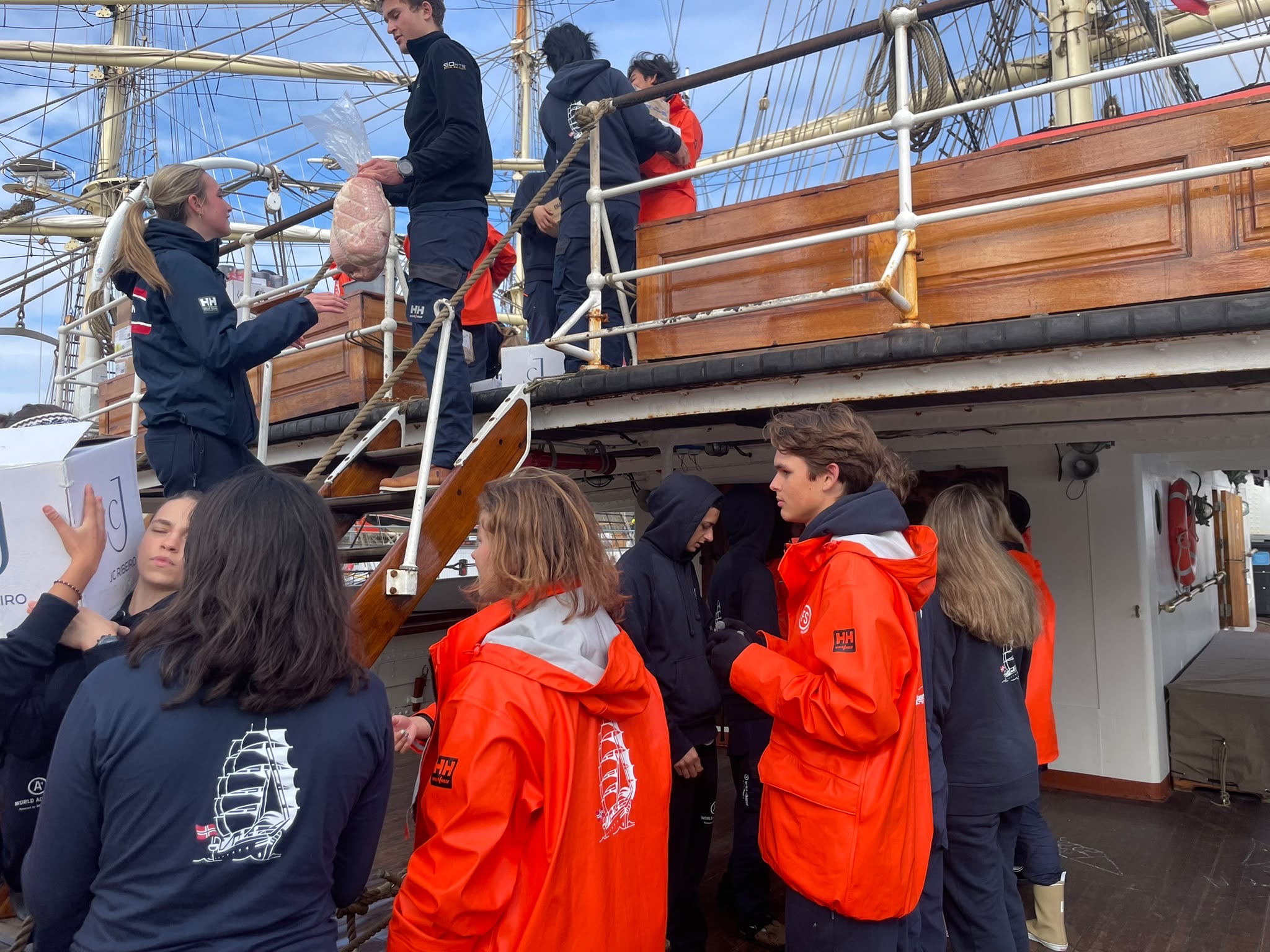
While the rest of the students were busy emptying rubbish bags at the pier, and forming a chain to restock on provisions, I spoke to some of the students about their experience.
Seventeen-year-old Luna Moreno Christansen is one of many Norwegian students aboard the ship. Although the ship itself is Norwegian, the students must speak English at all times.
“It took a bit of getting used to at first because so many of us are from Norway, but we get a strike if we are caught speaking Norwegian,” she said.
The student explained that 20 strikes lead to a violation, and three violations can lead to suspension or even expulsion. To redeem themselves from a strike they may participate in community service, which differs from port to port.
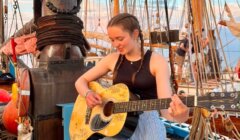
In Lerwick, the students can choose to sing sea shanties at the museum, or volunteer their own options.
Julius von der Sluijs, 15, is from the Netherlands, and so appreciates the language rule. However, though outnumbered by Norwegian students, he does not feel homesick.
“There are just always so many people around you that you don’t really have time to think about home” he said.
The students sleep in two groups of 36, in traditional hammocks which they must take down and put up each morning and evening. The rooms also act as their classrooms and dining area, and so personal space is quite a luxury.
While at sea, the students do not have internet access either.
“We’ve been at sea for 21 days, so it feels a bit strange coming back to dry land and even being able to use our phones and internet,” said von der Sluijs.
In the first few weeks of their experience, the students tell me they already have had an incredible experience.
“On the sail across we saw shooting stars, orcas, dolphins and bioluminescence. It was amazing,” said Moreno Christiansen.
The ship has many diverse ports across its journey, from Dublin to the Canary Islands, across the Atlantic to South America and the Caribbean.
Moreno Christansen and von der Sluijs are both very excited to visit Ferndando de Noronha in Brazil, where they will spend New Year’s Eve.
Eighteen-year-old Tessa De la Torre, from Mexico, is similarly excited for Brazil and for some warmer weather. Adjusting to the cooler climate is a small hinderance, which has been outshone by her positive experience so far.
“I feel like I get to be more myself here than I can in Mexico. It’s been really great to meet so many people who have similar interests as me, and also learn about other experiences,” she said.
She will apply for university in March, while still at sea, setting her sights on an archaeology course at Valenica Polytechnic University. She holds a keen interest in history, and is particularly looking forward to exploring Normandy.
A historical artifact itself, the Sørlandet will celebrate its 100th anniversary next year and is the oldest ship of its kind still sailing.
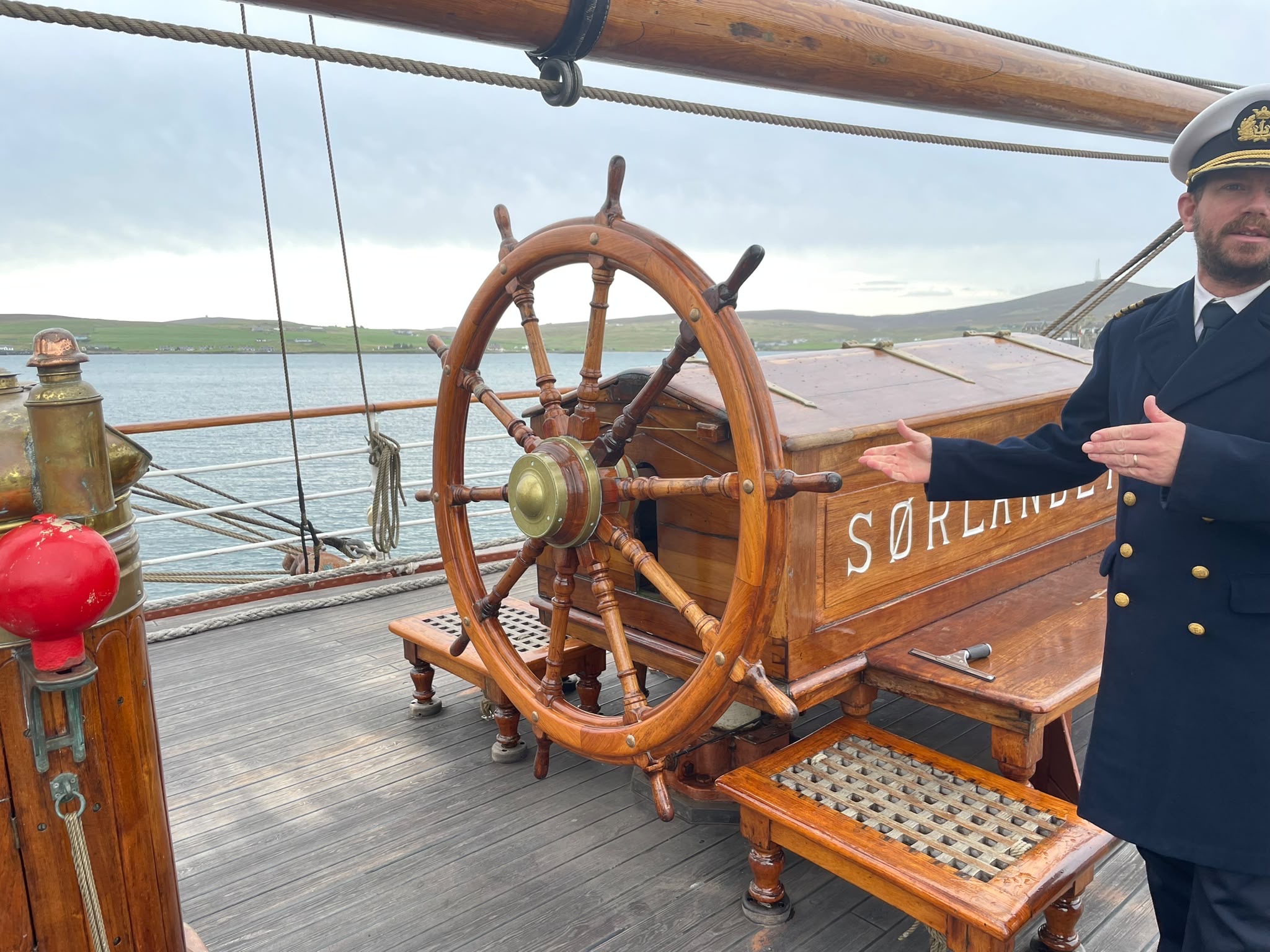
However, with its age there have been adjustments and improvements added over the years, including to its mechanical helm. Surprisingly, this was taken from an even older vessel, dating back to the 1890s.
The ship integrates a mixture of traditional sailing equipment and compulsory modern navigation and safety technology.
The Sørlandet’s captain of seven years, August Jansson, tells me that traditional elements of sailing are key to the skills that the students will build.
“Sailing at the helm is not as difficult as it looks, and after a few weeks the students can sail pretty well,” he said.
Captain Jansson’s saloon is the “VIP” area of the vessel, which he told me has welcomed kings and queens. The walls are adorned with photos of Norwegian royalty, with a portrait of the late King Harald V covered partially by a black strip as a mark of mourning.
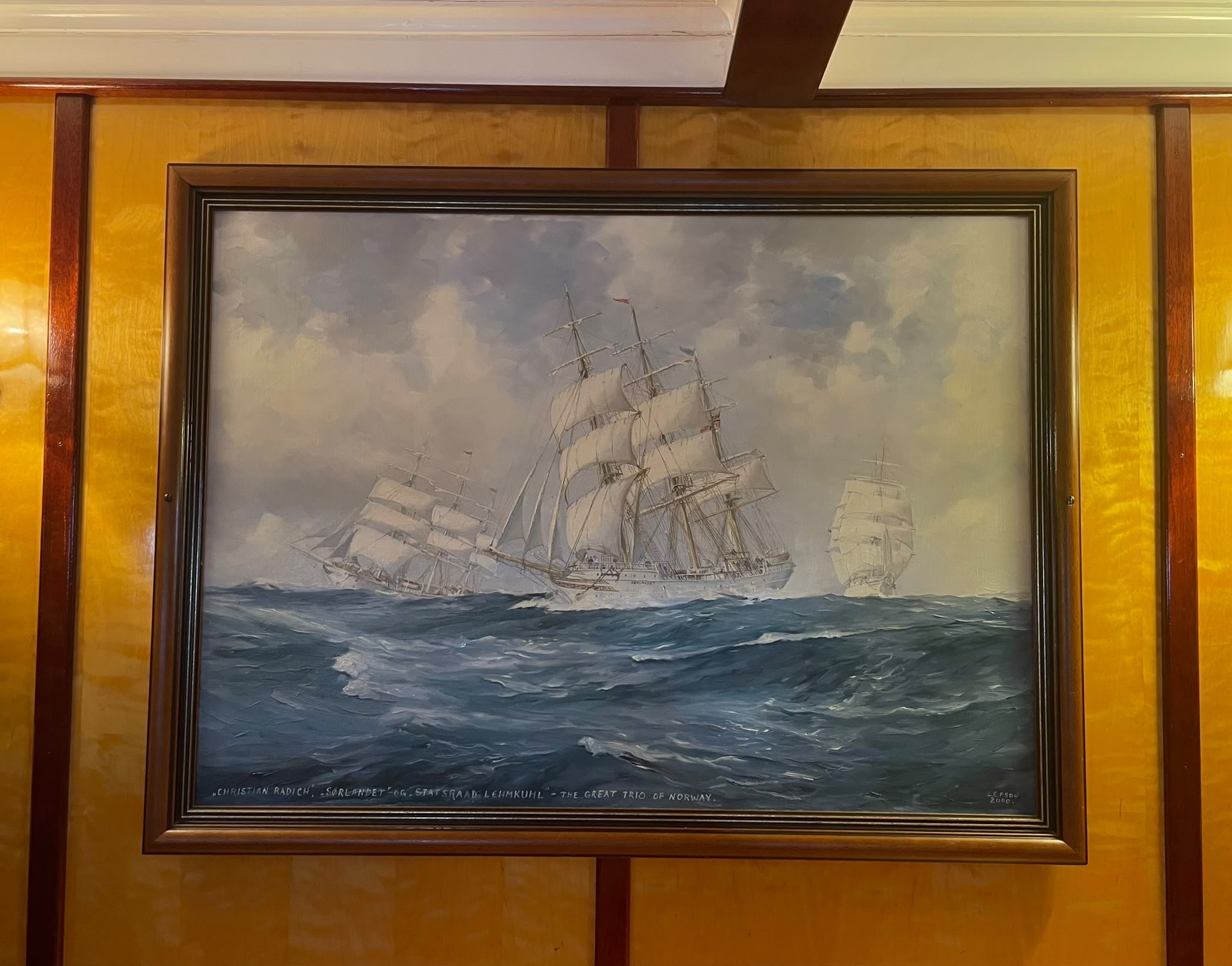
Queen Mette-Marit is already on the wall, as she is the patroness of the Sørlandet and was also born in its hometown of Kristiansand.
Tuition for the year is €66,500, with a lower fee for Norwegian students. As the Sørlandet Foundation is a not-for-profit organisation this goes towards all aspects of the experience, from ship upkeep to schooling and field experiences.
As such, Lerwick as a port is not only educational but practical.
“Lerwick is a Tall Ship port, which we do not have to pay to berth in, but we do pay for the services provided here,” Jansson said.
“We can travel here in three days but because it is the beginning of the trip we needed to make sure the students have time to learn all of the safety rules and get to know the basics of sailing, and so took three weeks to get here.”
The Sørlandet will be at Victoria Pier until Thursday 10 September, before continuing its voyage to Dublin and beyond.
People will be able to check out the boat for themselves during an open session on Wednesday between 3.30pm and 5.30pm at Victoria Pier.
Keep Shetland’s news open to everyone
Your membership helps us report the stories that matter to Shetland — and keep them free for everyone to read.