


A ‘crisis a long time coming’: new figures highlight sharp drop in common seal numbers

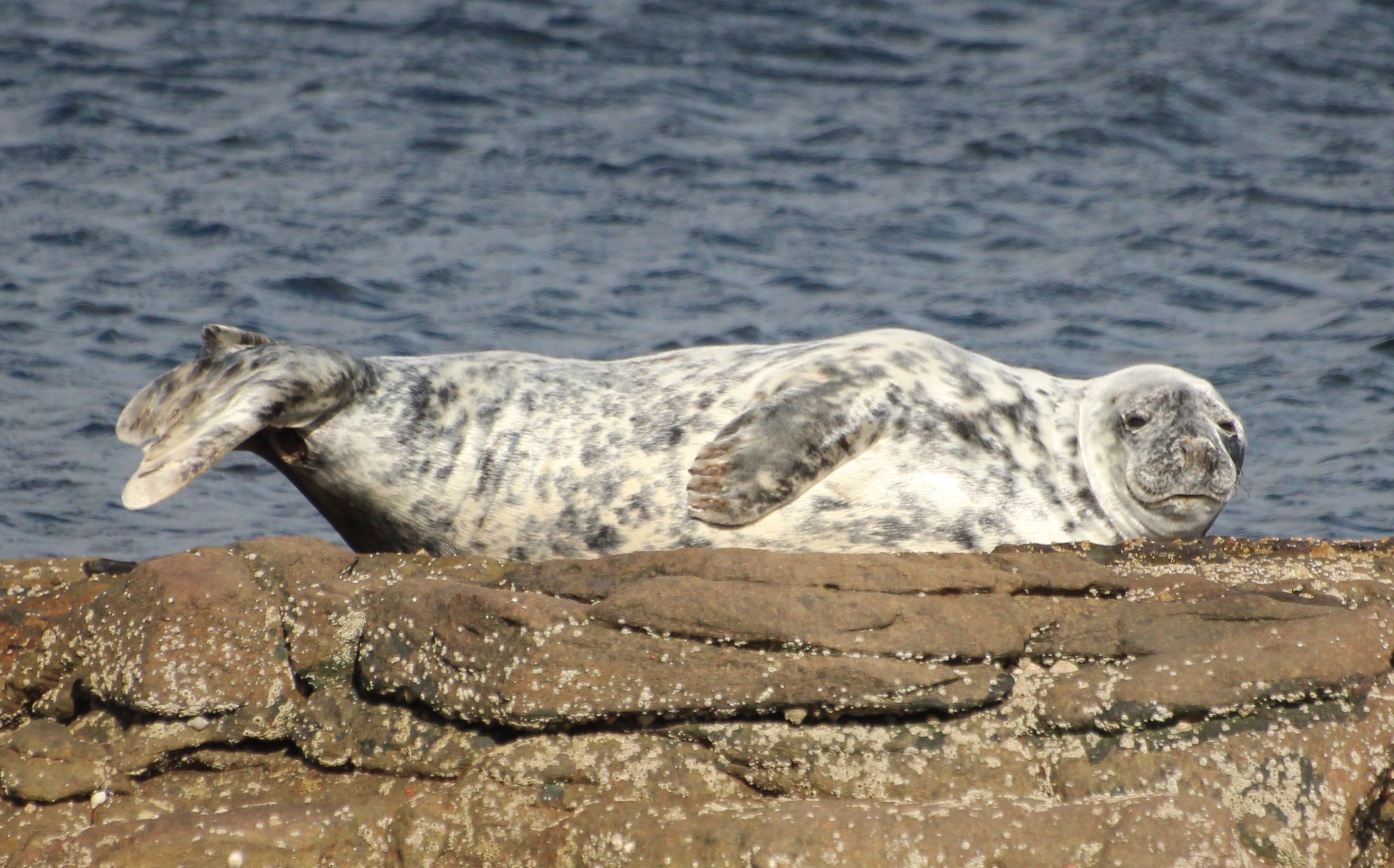
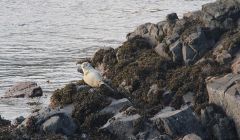
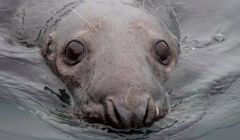
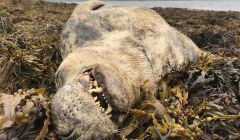
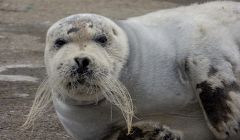
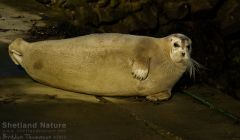
NEW research showing that counts of common seals in Shetland have fallen by around 45 per cent between 2019 and 2025 has been described as “extremely disturbing, but not surprising”.
Pete Bevington from the Hillswick Wildlife Sanctuary said the decline in common seals has become “dramatic” in recent times, suggesting one factor could be from the increase in predation from orcas.
The research comes from the University of St Andrews, which says there is a marked drop in the status of Scotland’s common, or harbour, seal population, as well in summer grey seal abundance.
The report, commissioned by NatureScot, marks the completion of the sixth Scottish census of seal abundance based on August haulout counts (2021-2025) resulting in a 30-year time-series.
The university said Shetland’s fall comes after counts appeared to be “broadly stable” for the past two decades.
Orkney counts for common seals are said to be around 90 per cent lower than in the late 1990s.


























Overall Scottish common seal population declined by around 25 per cent between the last two censuses, and is at the lowest level – around 28,000 – of the 30-year time-series.
Dr Debbie Russell, deputy director and the university’s Sea Mammal Research Unit’s lead seal population ecologist, said: “These latest counts are of huge concern. The declines amount to the loss of around 10,000 harbour seals in a five-year period; that level of decrease cannot be explained through reduced birth rates or survival of young alone.
“It points to the loss of adult animals which are generally expected to be relatively resilient to pressures.”
Researchers are currently investigating several potential drivers in recent declines and lack of recovery, including disease, environmental change and reduced prey availability – possibly linked to climate change – and competition with and predation by grey seals.
Help keep Shetland’s news open to everyone

Good local journalism takes time, care and people on the ground. Membership helps us keep reporting the stories that matter to Shetland — and keep them free for everyone to read. Members get a weekly newsletter created especially for them, local ads only, and can bookmark stories and join the conversation in the comments.
Commenting on the new figures, Bevington said the Hillswick Wildlife Sanctuary has witnessed a decline in the size, strength and health of both common and grey seals, but especially commons, over the last four decades.
“The decline in common seals has become dramatic recently, presumably due to the increase in predation by orcas, who now seem to have largely moved on to richer grounds,” he said.
“For the first time in 2021 we had no common seals pups rescued in Shetland. Last year was the second time we had no common seal pups. Normally we would have had one by now this summer.
“Common seals do not migrate, as far as we know, so if we lose our local population it will possibly for good – as we understand has happened in Faroe.
“This is a crisis that has been a long time coming and we are pleased that people are finally paying attention. It is not just about numbers, it is about the health of our oceans. Common seals are the canaries in the marine coalmine.”
Keep Shetland’s news open to everyone
Your membership helps us report the stories that matter to Shetland — and keep them free for everyone to read.