Warning over threat to birds after rat seen on Mousa
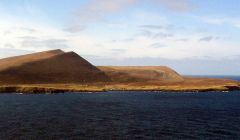
The uninhabited island hosts the UK’s largest breeding population of storm petrels

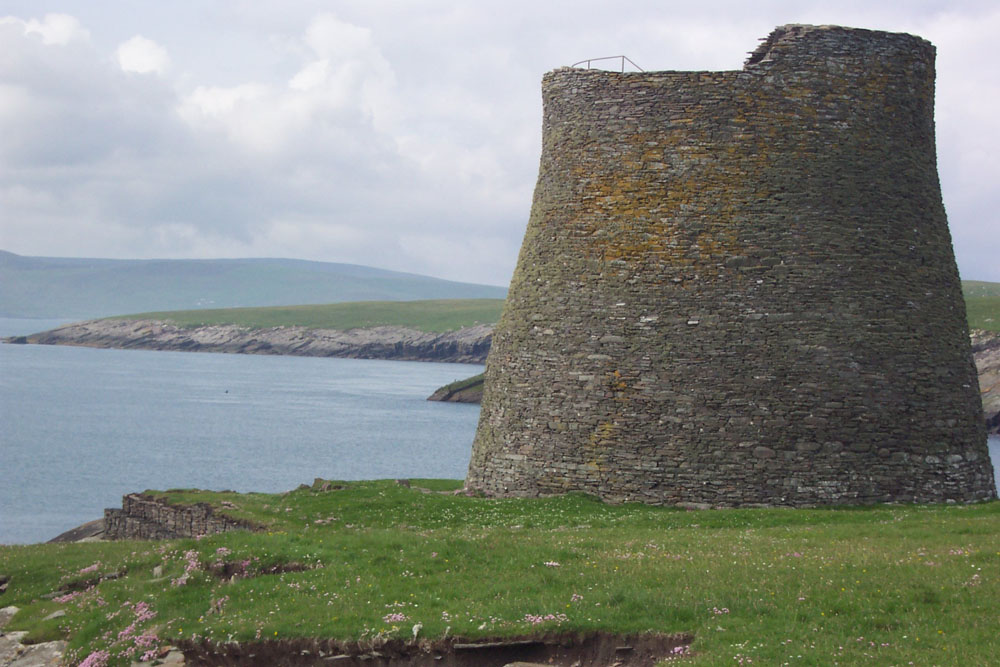
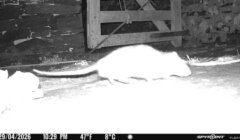
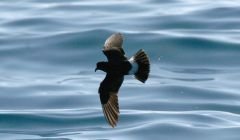
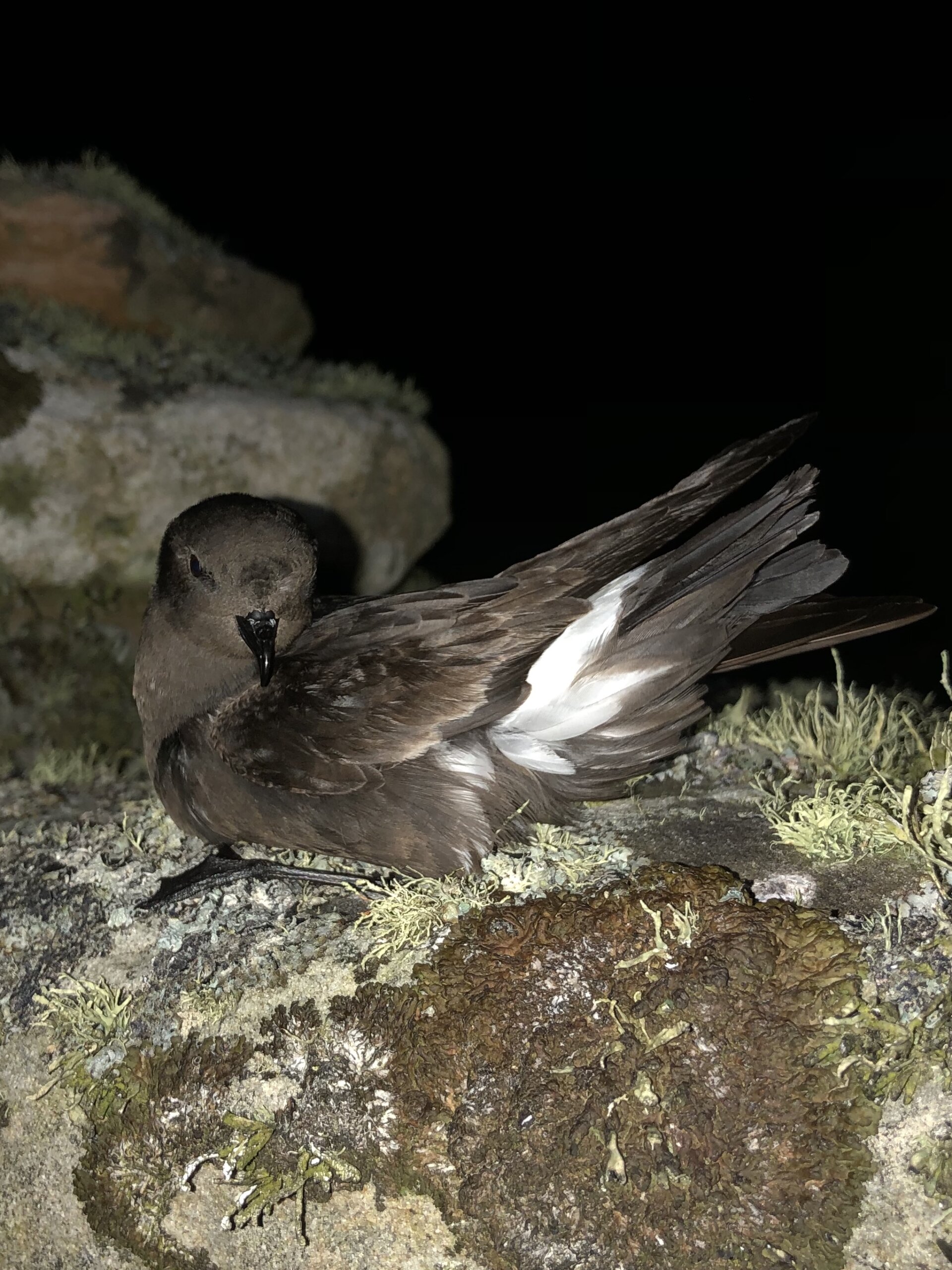
WARNINGS have been sounded after a rat was seen on the island of Mousa, which the RSPB said could be “devastating” for birds including the population of storm petrels.
The island hosts the UK’s largest breeding population of storm petrels.
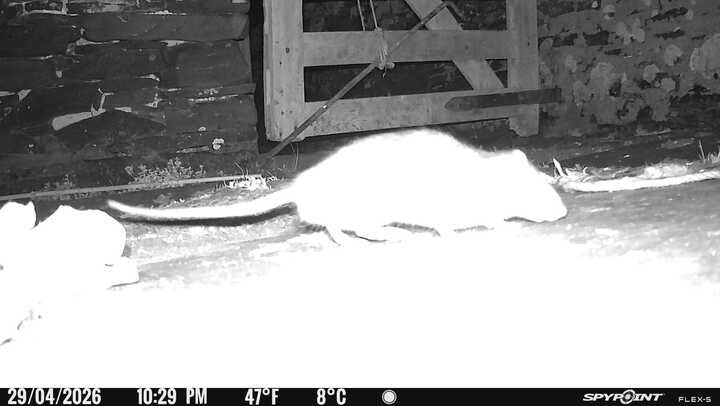
Evidence of the arrival of at least one rat emerged on 26 April and a response was initiated the same day.
A total of 200 bait stations with rodenticide are now positioned around the island to remove the rat.
Live cameras have also been installed to understand the extent of the problem along with regular in-person checks.
The RSPB said the quick response was made possible thanks to having equipment readily available in a Biosecurity for Scotland incursion hub and the assistance of volunteers and the Mousa Boat team.
Boat trips to the island for visitors begin again tomorrow (1 May) and RSPB Scotland is asking everyone to play their role in helping Mousa continue to be a place where seabirds can thrive by following biosecurity best practice.























Specifically, visitors are being asked to do three key things:
- to check their bag for stowaways before boarding the boat especially if it has been left unattended on the quayside for any length of time
- to strictly stick to the paths and not touch or interfere with the bait stations
- and, if they bring lunch or food to the island, to take all food waste away with them because even small food scraps could provide food for a rat and keep it away from the bait stations.
Kevin Kelly, RSPB Scotland’s senior site manager, said: “The news of a confirmed arrival of a rat on Mousa is heartbreaking.
“One of the reasons the island is so important for breeding seabirds, particularly storm petrels, is because it has stayed free of introduced predators like rats and mice despite them being present on the Mainland.
Help keep Shetland’s news open to everyone

Good local journalism takes time, care and people on the ground. Membership helps us keep reporting the stories that matter to Shetland — and keep them free for everyone to read. Members get a weekly newsletter created especially for them, local ads only, and can bookmark stories and join the conversation in the comments.
“Fortunately, thanks to support from the Mousa Boat, and having a comprehensive plan in place with trained staff and local volunteers who knew exactly what to do and had the right equipment at hand, we were able to respond to this news very quickly.
“We are now focused on removing the rat or rats as quickly as possible to return the island to being rodent-free and are asking all visitors to help by checking for stowaways in their bags before they leave the mainland, sticking to paths and not touching the bait stations, and making sure not to leave any food waste even tiny scraps on the island.
“By working together, we can safeguard the future of Mousa and the UK’s largest storm petrel colony.”
The RSPB said the arrival of invasive non-native species is a “huge threat” to wildlife on islands across the world, and they are responsible for nearly 90 per cent of all recorded extinctions on islands.
The best way to protect island wildlife is through effective biosecurity measures that prevent non-native species from arriving, quickly identify that an incursion has occurred and then rapidly mobilise to remove it.
Thanks to the five-year project Biosecurity for Life, which ran between 2018 and 2023, a biosecurity incursion hub was set up at RSPB Sumburgh Head.
This project was funded by the European Union’s LIFE programme, with co-financing from NatureScot in Scotland.
The hub is currently maintained by Biosecurity for Scotland which is currently funded until March 2027 by the Scottish Marine Environmental Enhancement Fund.
It contains the equipment necessary to both monitor for incursions and launch rapid responses should one occur including bait stations.
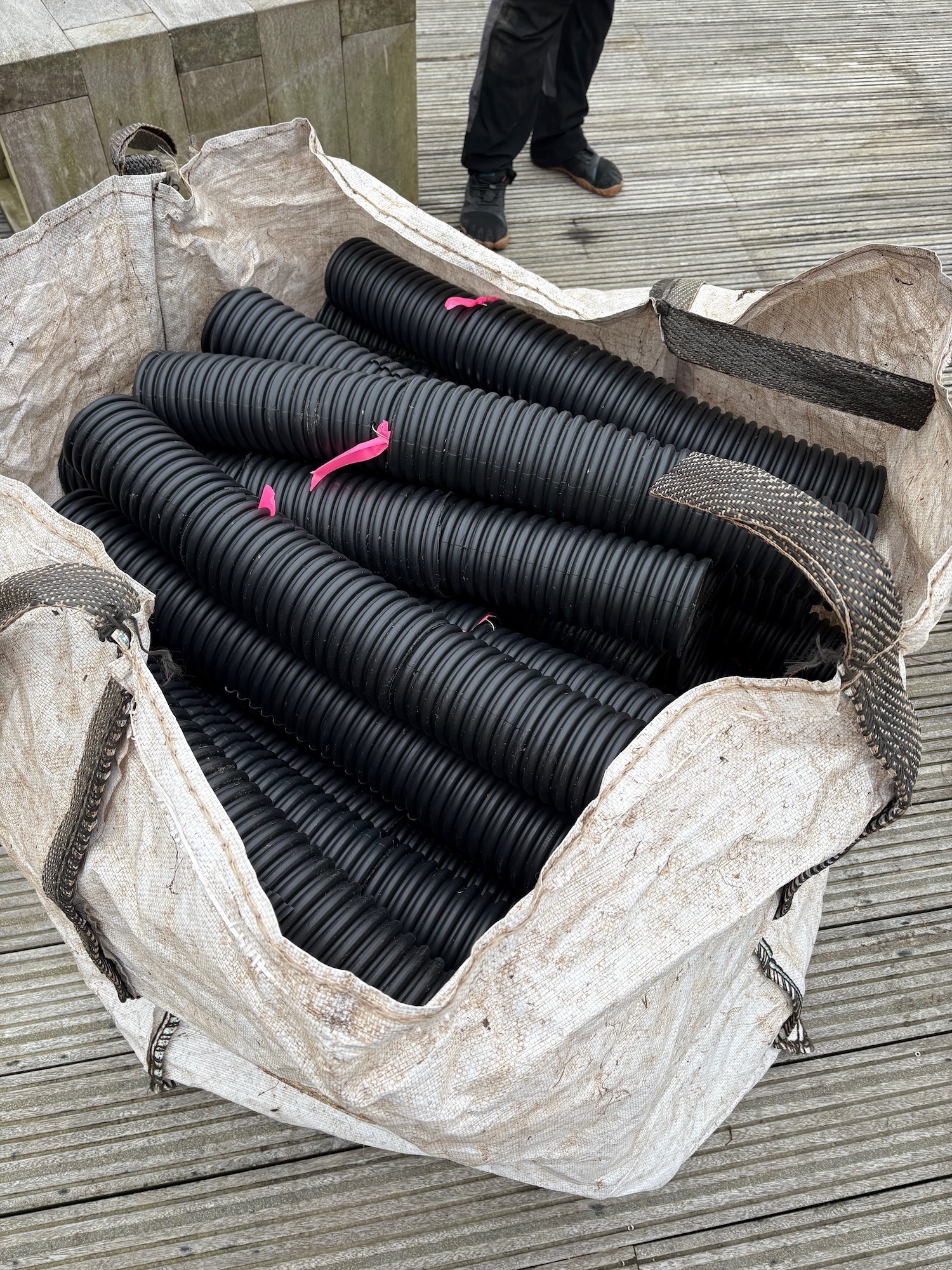
Bait stations are tubes fixed in place around the island and baited with rodent poison.
The rodenticide is being used under a critical situation permit issued by the Health and Safety Executive.
The RSPB said there is no way of knowing how the incursion has happened as there are unfortunately multiple routes a rodent could take to get to the island.
The local RSPB Shetland team undertake monthly biosecurity checks of biosecurity surveillance stations, these contain chocolate flavoured wax blocks, so teeth marks can be easily detected.
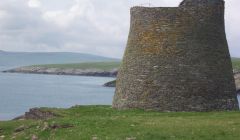
In Mousa the storm petrels nest both in the Iron Age Broch and crevices in old stone walls and boulder beaches, making them particularly vulnerable to predation by rats.
Storm petrels only nest on islands without rats, which is why the arrival of even one on Mousa is “so concerning”.
The RSPB said Mousa is also very important for many other ground-nesting birds that could be harmed by the arrival of rats.
This includes Arctic terns and wading birds such as snipe, redshanks, dunlin and ringed plovers.
The RSPB added that many of these species are declining elsewhere in the UK, so Mousa is an important area for them to breed.
Keep Shetland’s news open to everyone
Your membership helps us report the stories that matter to Shetland — and keep them free for everyone to read.