

Energy / Swinney says Shetland is at ‘very heart’ of Scotland’s energy story as SNP unveils new policy
The SNP and local candidate Hannah Mary Goodlad have set out a number of new policies in an independent Scotland

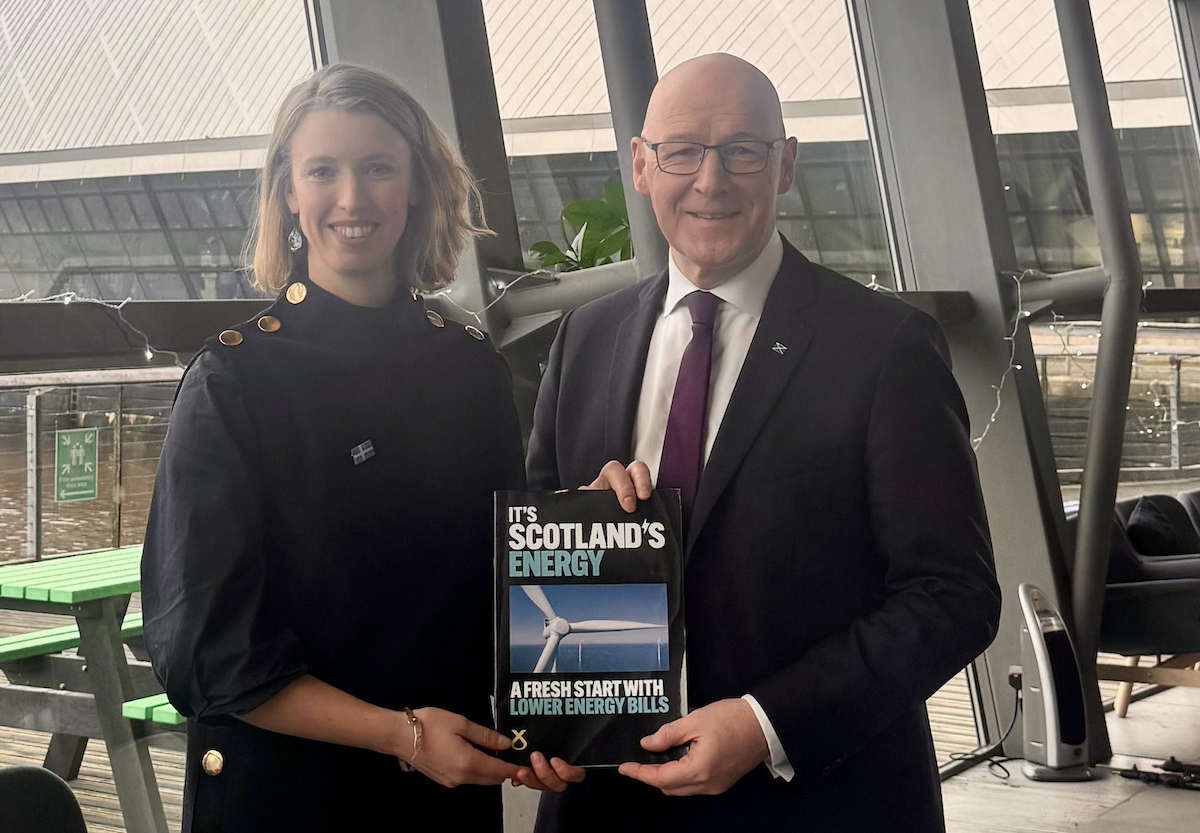
THE SNP has set out a new energy policy which it says could deliver “meaningful” community benefit from onshore wind farms and reduce household bills by more than a third.
Local SNP candidate Hannah Mary Goodlad has said she has been working with her party on a major policy change for some time which introduces a requirement for at least 20 per cent community ownership in new onshore wind projects.
However, the party’s campaign – called It’s Scotland’s Energy – relates to life under an independent Scotland.
A policy paper produced for the campaign said a “vast amount of low-cost, renewable energy is produced in Scotland – yet we pay some of the highest energy bills in Europe”.
It says the creation of a Scottish electricity market in an independent Scotland could help to lower households’ electricity bills.
The SNP claimed this would be achieved through lower wholesale prices, with “low-cost renewables rather than gas determining the price”.


















It also includes plans for an “expansion of storage to slash constraint payments, the removal of the UK’s nuclear levy, and revenues from electricity exports used to reduce or remove other levies and charges on bills”.
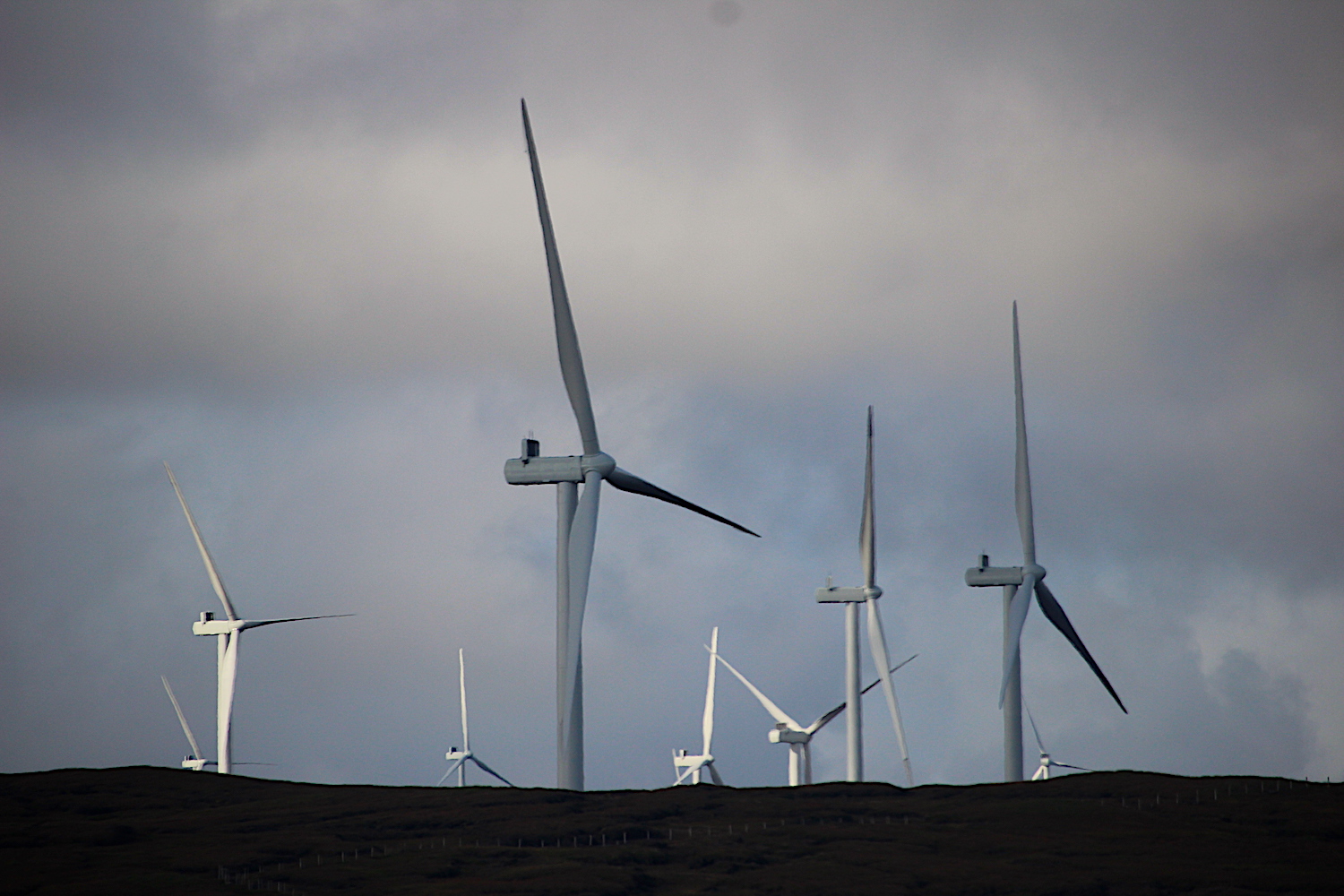
The issue of Shetlanders expecting high energy bills despite the large, 103-turbine Viking wind farm located on their doorstep continues to be a source of frustration for many.
This is exacerbated by the wind farm’s developer SSE taking in millions in constraint payments from the national grid when there are bottlenecks in the wider system down south.
The SNP argues that in an independent Scotland the country would be able to gain powers on energy currently held at a UK level in Westminster.
The party’s paper said that Scotland would “no longer be subject to a discriminatory UK transmission charging regime, which sees our most renewable-rich regions paying some of the highest transmission charges in Europe”.
Become a member of Shetland News
Regarding community benefit, the paper says the SNP would look to replicate a scheme in Denmark where local communities are entitled to shared ownership of up to 20 per cent of new onshore wind projects.
This would be on top of plans to put into law community benefit payments, which are currently recommended at £5,000 per megawatt and are voluntary.
Goodlad said: “Meaningful community ownership is exactly what we need with self-governance, and I’m glad to have worked with the SNP for this policy that I know many across Shetland will welcome.
“This is the ambition we need. This is us rewriting the rule book and being courageous – this is the SNP offering new ideas and hope for local folk.
“There is still a more to be done and I’ll keep working to ensure that Shetland’s voice is always heard and that we have a seat at the table where decisions like this are taken.
“Local folk, local companies, and local communities need to feel the benefit of local wealth – not Westminster. These plans show how that is possible.”
There are three consented onshore wind farms in the offing in Shetland – two in Yell, and one on the outskirts of Lerwick – owned by Statkraft.
The company has signalled a desire to explore shared ownership, as has Shetland Aerogenerators in relation to its proposed energy park near Sullom Voe Terminal.
In a speech delivered today (Monday) in Glasgow, first minister and SNP leader John Swinney said “because it is Scotland’s energy, it is Scotland’s opportunity”.
He also pointed to Norway, which has used its oil and gas wealth to “build an economy and society that is wealthier and fairer than the United Kingdom”.
Swinney was introduced at the Glasgow event by Goodlad, who said “energy is ours” was a key message she took from leaders and everyday people in self-governing Faroe following a recent visit there.
She said wind farms in Faroe put income back into the community, and added that “fuel poverty doesn’t exist” there.
Goodlad said the “very wind that creates profit for Viking Energy is the same wind that leaves too many Shetlanders struggling to heat their homes”.
“Something doesn’t add up – something is deeply broken,” she said.
Goodlad also advocated a move from community benefit to community ownership.
Following on, Swinney – who said the energy policy would be a key part of the SNP’s election campaign ahead, told Goodlad: “Your part of the world, Shetland, is at the very heart of Scotland’s energy story, from the first years of oil and gas […] right up to today and the beginnings of our second energy opportunity.”
There are two other publicly confirmed candidates for the 2026 Scottish parliament election in Shetland. They are, in alphabetical order, John Erskine of Labour and Emma Macdonald of the Liberal Democrats.
Become a member of Shetland News
Shetland News is asking its readers to consider paying for membership to get additional perks:
- Removal of third-party ads;
- Bookmark posts to read later;
- Exclusive curated weekly newsletter;
- Hide membership messages;
- Comments open for discussion.
If you appreciate what we do and feel strongly about impartial local journalism, then please become a member of Shetland News by either making a single payment, or setting up a monthly, quarterly or yearly subscription.