

Pilot project could pave way for ‘exposed’ salmon farms off east coast of Shetland

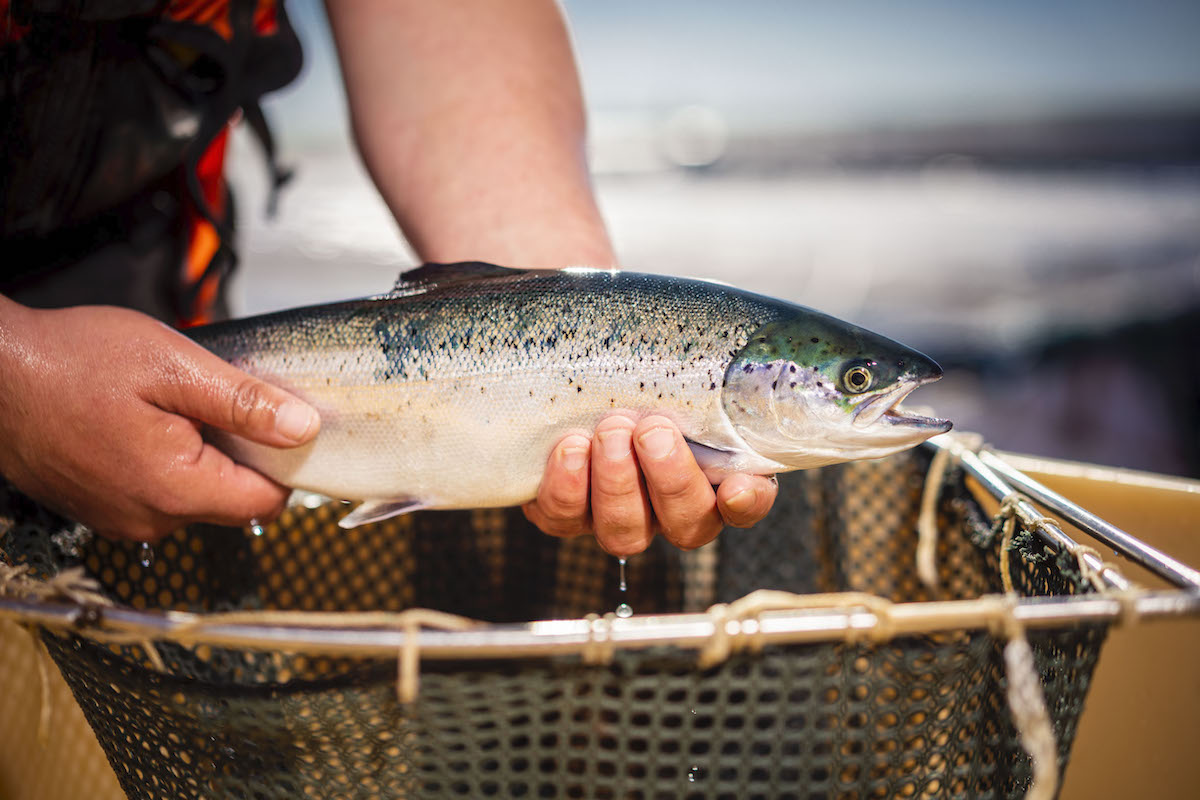
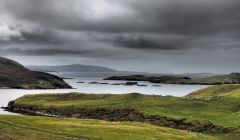
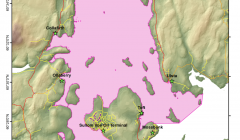
A NEW pilot project which will see aquaculture development areas being extended is to be trialled in three areas off the east coast of Shetland.
The extension will see the current three-mile limit expanded to a new 12-mile zone.
Crown Estate Scotland said the pilot will allow “new technological innovations and management approaches” to finfish aquaculture to be assessed and evaluated.
It said that the opportunity for finfish operations to take place in more exposed locations, with higher energy waters, has the potential to reduce environmental interactions and to support fish health and welfare.
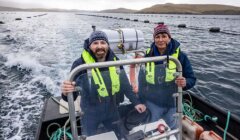
It comes after Shetland News revealed last year how Norwegian firm SalMar Aker Ocean was exploring the idea of an “exposed” salmon farm off the east of Shetland which would be further out at sea than traditional aquaculture.
The company said at the time that it was collaborating with regulators on a pilot project in a zone three to 12 nautical miles off the east of Shetland.




















Crown Estate Scotland, which manages leases for seabed around Scotland, said it is working closely with the Scottish Government and the agencies which regulate the aquaculture industry to oversee the trial.
Crown Estate Scotland’s director of aquaculture and marine ecosystems Mike Spain said: “This is an important pilot, offering the chance to examine how the aquaculture sector might evolve in the future.
“The proposed changes have the potential to support positive improvements to how finfish farming is carried out, as well as simplifying the process for providing overview and management of the industry.”
The pilot aims to support a “consistent, robust and efficient consenting framework” for Scotland’s inshore marine areas, allowing greater innovation in Scottish aquaculture, attracting more investment and driving development of new technologies.
The total seabed area available under the lease option agreement process is 12 square kilometres. Individual sites within the pilot zone may be a maximum of five square kilometres in extent, and a maximum of three sites may be awarded lease option agreements across the zone.
Help keep Shetland’s news open to everyone

Good local journalism takes time, care and people on the ground. Membership helps us keep reporting the stories that matter to Shetland — and keep them free for everyone to read. Members get a weekly newsletter created especially for them, local ads only, and can bookmark stories and join the conversation in the comments.
Application guidance said proposals must be for a higher maximum total biomass than current Scottish finfish farms – essentially at least 6,000 tonnes.
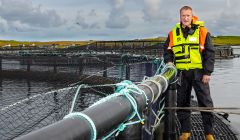
Six thousands tonnes will be the biomass for Scottish Sea Farms’ planned Fish Holm salmon farm in Yell Sound, which will be Scotland’s largest when it goes live next year.
The Scottish Government’s minister for agriculture, marine and the islands Jim Fairlie said: “This pilot represents the first practical implementation of the Scottish Government’s decision to extend marine planning zones for aquaculture from three to 12 nautical miles.
“It marks a significant milestone in the collaborative work of the Scottish Government and relevant public bodies to establish a clear consenting framework for fish farm development out to the 12-nautical-mile limit of Scotland’s inshore territorial waters.
“The scheme is expected to unlock economic opportunities, attract inward investment, and support delivery of the vision for sustainable aquaculture and the National Islands Plan.
“Fish farming in more exposed locations holds real potential, backed by advances in technology and engineering. We want to support developers into these locations, where conditions can be better for fish health and welfare and for reducing environmental impact.
“Crown Estate Scotland’s pilot will help explore opportunities in this area. Any future development proposals would be subject to full assessment and would need to secure all necessary consents before they could proceed under Scotland’s regulatory framework.”
Keep Shetland’s news open to everyone
Your membership helps us report the stories that matter to Shetland — and keep them free for everyone to read.