
Surely Shetland can do better
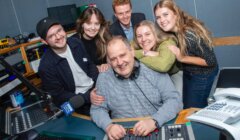
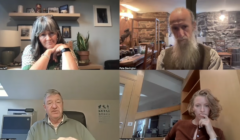
In the latest edition of Sheeks Aboot Shetland, hosts Pete Bevington and Jane Moncrieff speak to former councillor Dr Jonathan Wills about the distinct lack of public debate on the proposed reform of public service in Scotland

A month ago the Scottish government announced a three month consultation with communities throughout the nation asking for ideas about how local government, including the health service, should be reformed.
There is not much time, the clock is ticking, and yet here in Shetland the silence has been deafening…that is until former councillor and journalist Jonathan Wills published his thoughts here on Shetland News.
We are talking here about the biggest opportunity for changing the face of how public services are run in half a century since local government reorganisation in the 1970s, when Shetland Islands Council was created.
Perhaps people in Shetland are content with the way things are, though recent events such as the closure of Scalloway pool and the packed meeting of community councils seeking a moratorium on renewable energy developments would suggest otherwise.
And how often do we hear of social services being unable to cope, staff off work with stress from the bureaucratic pressures they face, ridiculous demands from building control, not to mention frustration around transport services.























In his opinion piece Jonathan posed a number of questions to consider, such as reducing the number of councillors and paying them a living wage so more people could consider taking on such a role.
He talked about extending local control out to the 12 mile limit for whitefish boats, and the final say over big energy developments being held in these islands.
In other countries such as Brittany, France, small towns are able to take their cut from local taxation before handing the rest to central government; in Faroe small municipalities raise income tax and pay for no less than 20 swimming pools.
When Jonathan first stood for the council in 1995, he was paid nothing, and when he returned to the chamber in 2017 he received £16,000 a year, not enough to raise a family and pay a mortgage and thus limiting the range of applicants.
Help keep Shetland’s news open to everyone

Good local journalism takes time, care and people on the ground. Membership helps us keep reporting the stories that matter to Shetland — and keep them free for everyone to read. Members get a weekly newsletter created especially for them, local ads only, and can bookmark stories and join the conversation in the comments.
He also suggested some of the local powers over the environment and local heritage could be returned.
“Every time a power has left the council, it’s not gone to another democratic body, it’s gone to a bureaucracy,” he pointed out, while reminding us of the same loss of democratic influence over Shetland Charitable Trust.
Local control of fishing in local waters would increase profitability and improve management, he suggested.
And yet…and yet…where is the conversation happening around this opportunity the government has presented?
Jonathan suggested it was the responsibility of our elected councillors to organise public meetings to get this conversation going, but where is the initiative?
In the 1970s Shetland Islands Council stood up to the oil industry and gained for these isles the only good deal in the country and we have lived off the benefits ever since.
Since then, perhaps, we have become, as Hannah Mary Goodlad put it, “lazy pessimists” watching over “managed decline”.
Jonathan, sadly, said he did not hear “a groundswell of people” wanting to give this council more power. “What? Give this lot more powers? You’ve got to be joking.
”Well how sad is that! Surely Shetland can do better.
Keep Shetland’s news open to everyone
Your membership helps us report the stories that matter to Shetland — and keep them free for everyone to read.