Hopes that modular units will improve welfare facilities at some fire stations

MODULAR welfare units are being proposed for a handful of Shetland’s fire stations to upgrade facilities.
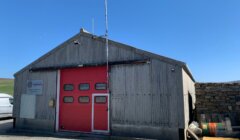
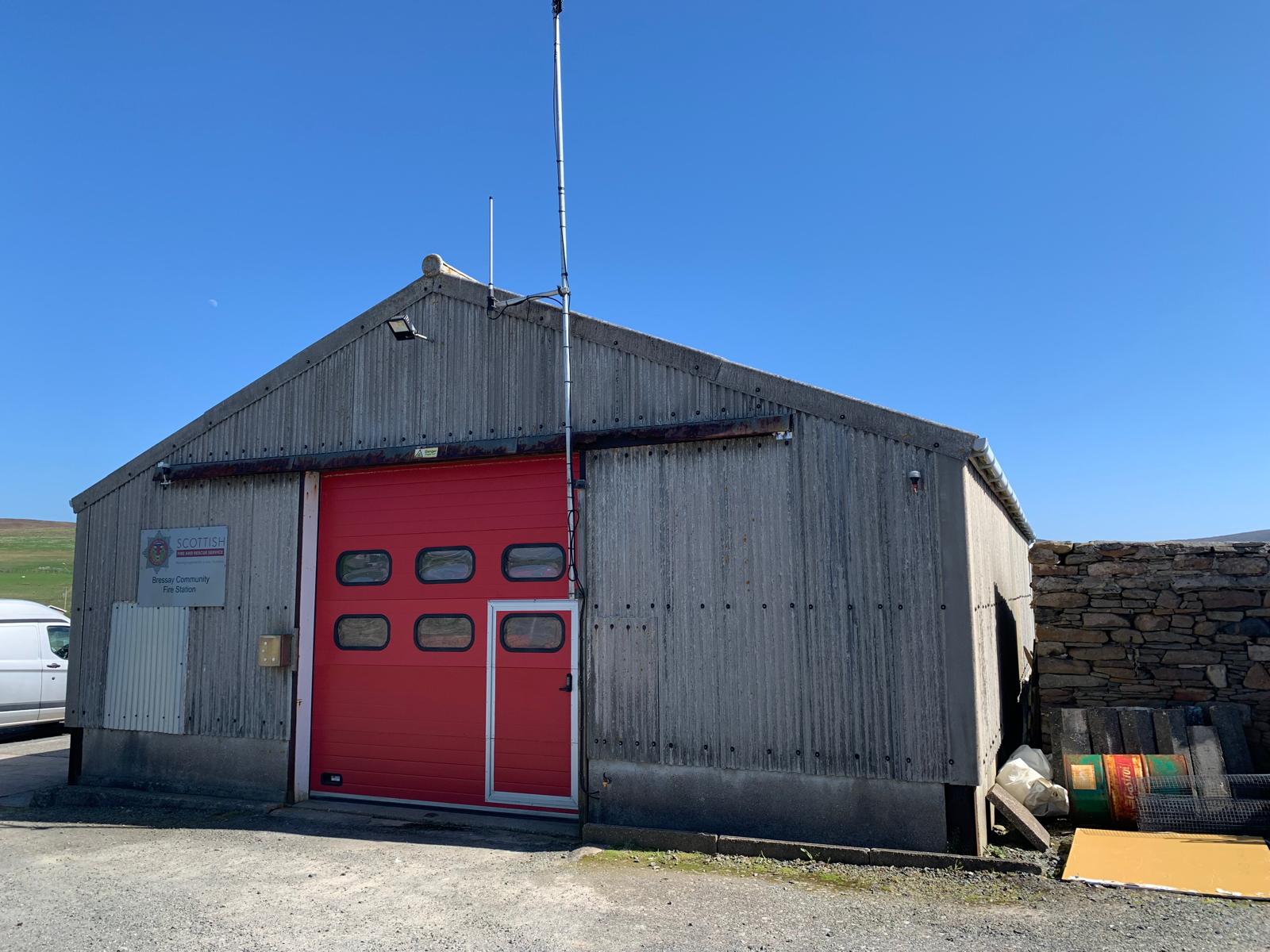
Bixter, Bressay, Fair Isle and Hillswick have been identified as stations which could benefit from the units.
Scottish Fire and Rescue Service’s (SFRS) head of asset management Ijaz Bashir told a meeting of Shetland’s community safety and resilience board on Wednesday that the cost of each unit is around £50,000.
However, variables on site – including ground conditions and drainage – may affect the overall cost.
The units are in effect a Portacabin split into two “wash pods” which include a shower and a toilet, while there is also locker space.
Bashir said the plan is to get them in “quickly”, adding that there is £600,000 in total allocated to modular units across Scotland.
Two of those four stations – Bressay and Hillswick – were subject to a Health and Safety Executive (HSE) improvement notice in recent years over a lack of welfare facilities.


























Showers have also been installed in the Unst and Whalsay fire stations.
Welfare upgrades are also planned for the Sumburgh training centre, but Bashir told the meeting that there are some planning hold-ups.
He also warned that capital funding needs to be spent in-year, so if an estate project is delayed the funding may end up being allocated to another job.
A review of SFRS’ assets also shows that nearly 60 per cent of stations in Shetland are deemed to be of “satisfactory” condition.
Bixter, Bressay and Walls are deemed to be “bad”, with Brae, Fetlar, Hilslwick and the Sumburgh training centre’s carbonaceous unit regarded as “poor”.
Fair Isle, Lerwick, Sandwick, Scalloway, Sumburgh, the Sumburgh’s welfare and training unit, Unst, Yell and Whalsay are regarded as “satisfactory”.
Help keep Shetland’s news open to everyone

Good local journalism takes time, care and people on the ground. Membership helps us keep reporting the stories that matter to Shetland — and keep them free for everyone to read. Members get a weekly newsletter created especially for them, local ads only, and can bookmark stories and join the conversation in the comments.
Half of the SFRS facilities in Shetland are deemed to be “bad” when it comes to suitability, with only Lerwick and the Sumburgh welfare and training unit satisfactory.
But Bashir warned that rising costs across the board is creating financial challenges for the government-funded fire service.
He said the cost of new build fire stations on the mainland is showing up as around between £7,000 and £8,000 per square metre.
Bashir also told the board that the cost of an 18-tonne Scania fire appliance has risen around 63 per cent since 2021, to around £374,000.
When it comes to fleet, the percentage of vehicles in Shetland which are beyond the recommended age is slightly above average.
For the heavy fleet this is 50 per cent, compared to a target of 44 per cent, and for light fleet it stands at 31 per cent against a target of 23 per cent.
Meanwhile a decision is expected soon on the proposed closure of the dormant Fetlar fire station.
It is one of number of options for change put forward by the SFRS as part of a service delivery review.
Community safety and resilience board chairman Allison Duncan however called the Fetlar situation a “saga” and said it has taken a “ridiculous” amount of time.
“Is it possible you could take forward our concerns here to look at a policy review on timescales and procedures attached to it,” he asked local fire chief Matt Mason.
Mason said he would relay the councillor’s concerns back to management, but he stressed the need to pay “due diligence” to changes to public assets.
He also said the recent pre-election period delayed matters, adding that there was a lengthy public consultation too.
Keep Shetland’s news open to everyone
Your membership helps us report the stories that matter to Shetland — and keep them free for everyone to read.