


Wind turbine the focus for Brae district heating study
The cost of connecting to and getting electricity from the grid is considered to be ‘prohibitive’

THE IDEA of a Brae district heating system getting power from the electricity grid has been ruled out due to the anticipated cost.
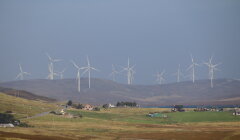
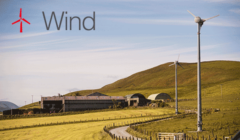
Instead, the only “economically viable” option would be an off-grid scheme such as a wind turbine, with energy generation “not for profit”.
A feasibility study of a district heating scheme in Brae has been undertaken by consultants COWI, as part of the UK Government funded Rural Energy Hub project which also involves Shetland Islands Council (SIC).
The SIC’s climate change strategy team leader Claire Ferguson said the first phase of the feasibility study and outline business case study ruled out a connection to the electricity grid.

“The cost of connecting and getting electricity from the grid was prohibitive,” she explained.
“Following this, we secured funds through local heat and energy efficiency strategy funding to undertake a study and develop a business case for a ‘not for profit’ wind turbine to power the district heating scheme.




















“We’re currently working through the wind turbine study, and we will update the district heating scheme outline business case with the findings.”
Shetland’s only district heating scheme in Lerwick – which has been up and running for more than 20 years – uses heat generated from burning rubbish, which would otherwise go to landfill, in the town’s energy recovery plant to provide hot water to homes and businesses in the area.
There is also a feasibility study proposed for a district heating scheme in Scalloway.
Meanwhile Ferguson said options for “community micro grids” in Brae are also being explored.
Generally, she added that the piece of work on a district heating scheme in Brae was initiated to look at “non-technical” barriers to decarbonisation.
Help keep Shetland’s news open to everyone

Good local journalism takes time, care and people on the ground. Membership helps us keep reporting the stories that matter to Shetland — and keep them free for everyone to read. Members get a weekly newsletter created especially for them, local ads only, and can bookmark stories and join the conversation in the comments.
“Economic viability of community energy systems and energy regulation are two of the main barriers to affordable energy in Shetland,” she said.
“This piece of work has highlighted the difficulty in making an economically viable community energy system, which could reduce emissions and alleviate fuel poverty, in an area where there is an abundance of energy generation.”
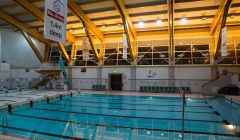
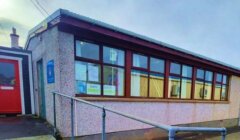
One key strand of the rural energy project is a revamp of the Brae Youth and Community Centre, which is set to re-open its doors early next year.
Keep Shetland’s news open to everyone
Your membership helps us report the stories that matter to Shetland — and keep them free for everyone to read.