Damage to vital communication links caused by fishing activity, Faroese cable owner confirms
Fishing industry demands subsea cables are buried to reduce risk of entanglement


FISHING boats – not hostile nations – are responsible for damage to vital subsea communications, it has been confirmed.
The owner of the Faroese Shefa-2 fibre optic subsea cable said this week it had reached a compensation agreement with the insurers of one Scottish fishing vessel which caused damage in October 2022.
Managing director Pall H Vesturbu added that with regards to further damage that knocked out internet services in Shetland in July this year, the company was in “dialogue with the relevant parties”.
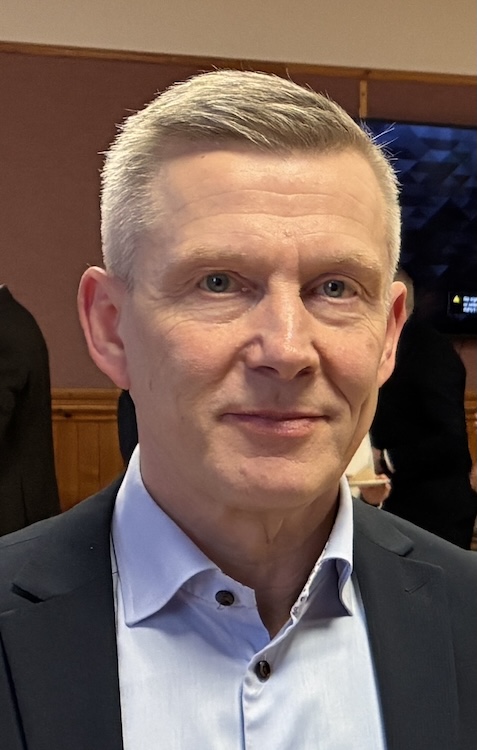
Vesturbu said he was not in a position to give details of the size of the compensation settlements or the identity of any vessel involved.
However, it is known that the deployment of specialist cable repair and maintenance ships is expensive. Recent repairs to the Shefa-2 cable have cost anything between £400,000 and £800,000.
It comes amid calls from the fishing industry for subsea cables to be buried rather than allow them to float on or near the seabed because of the safety risk.
With UK warships on high alert and watching the movement of Russian ‘spy ships’ in UK waters, there has also been increased scrutiny on whether foreign countries had played a part in any outages.
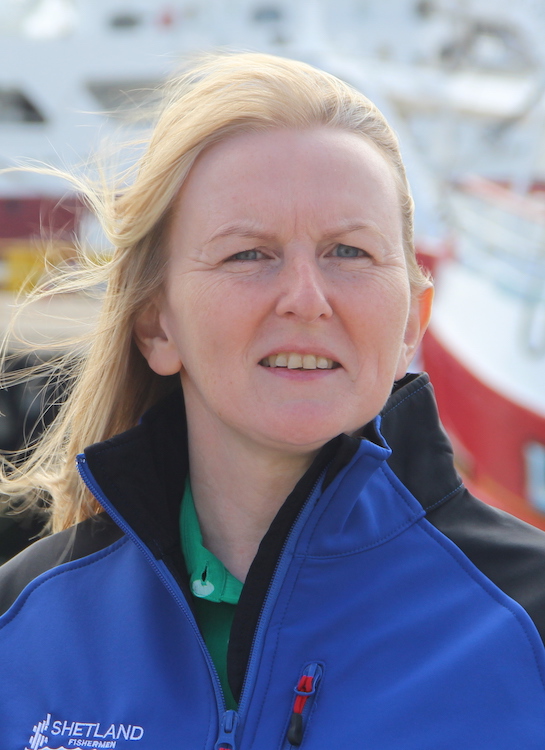
Executive officer of Shetland Fishermen’s Association Sheila Keith gave her categorical assurance that the two vessels involved in the incidents were not local.
The Scottish Fishermen’s Federation (SFF) declined to comment.
Last week during the connectivity resilience summit in Lerwick, Vesturbu confirmed that the vessels the company was negotiating with were not foreign flagged.
Help keep Shetland’s news open to everyone

Good local journalism takes time, care and people on the ground. Membership helps us keep reporting the stories that matter to Shetland — and keep them free for everyone to read. Members get a weekly newsletter created especially for them, local ads only, and can bookmark stories and join the conversation in the comments.
This week he added: “Regarding the recent speculation locally: we have no information at all suggesting anything other than that the cases we have handled relate to normal fishing activity, primarily in situations where AIS has been turned off, and not to hostile actions or state actors.
“The October incident this year was related to natural environmental conditions, including wave activity.”
Keith meanwhile said floating subsea cables were adding to the spatial squeeze that excluded the fishing industry from ever larger areas of its traditional fishing grounds.
She said: “Burying the cables is the only way for fishing vessels not running the risk of getting entangled”, adding that because they were floating the route of the cables were often different to where they are marked on the charts.
She added that burying would increase connectivity resilience for island communities, add to the safety of fishermen and protect the assets of companies such as Shefa.
Vesturbu told last Friday’s meeting in Lerwick that it would be of great help for protecting subsea cables if there was greater enforcement in UK waters for vessels keep their automatic identification system (AIS) on.
He added: “On protection of our infrastructure, we continue to work closely with the relevant UK authorities, maintain accurate cable charts, monitor AIS activity, and follow up promptly when vessels operate close to our routes.
“Our focus is on practical measures to reduce risk and ensure resilience.”
Keep Shetland’s news open to everyone
Your membership helps us report the stories that matter to Shetland — and keep them free for everyone to read.