
Politicians stop short of backing energy moratorium and call for Shetland specific plan

SHETLAND’S MP and MSP have stopped short of supporting a unified statement calling for a pause on new energy developments in the isles.
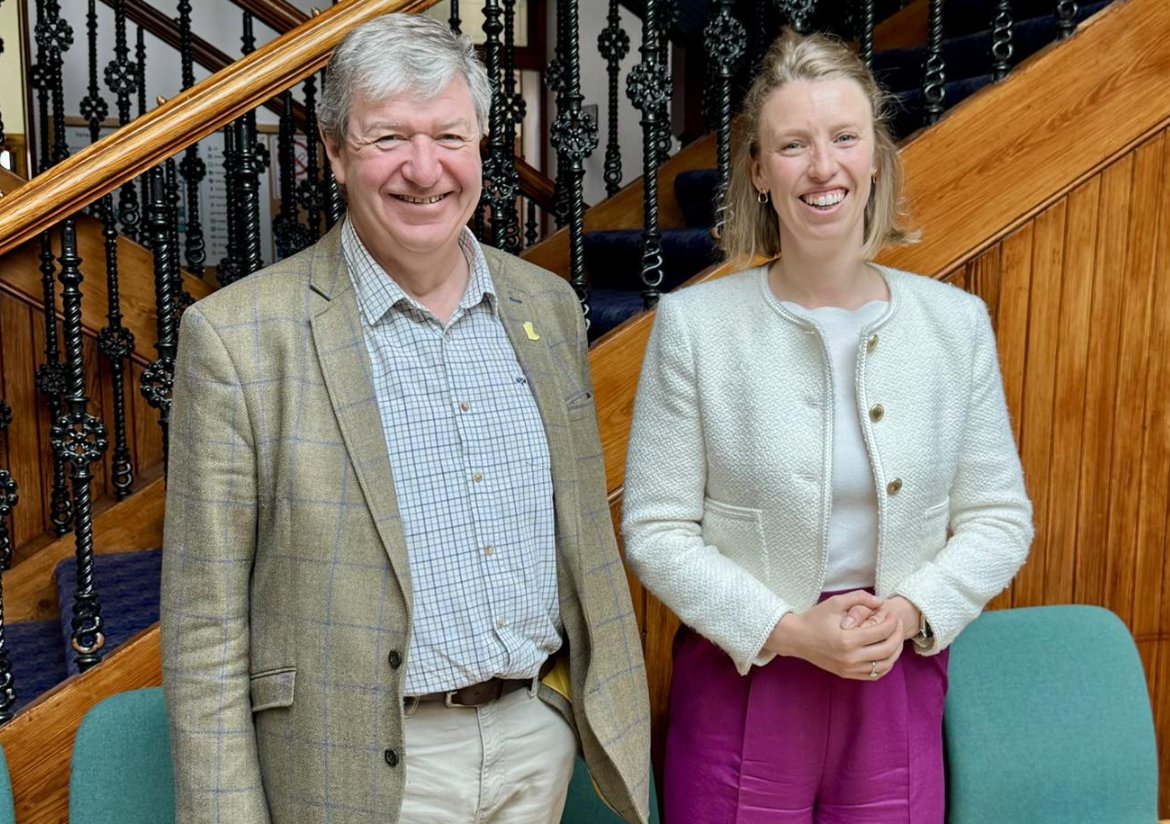
Both Alistair Carmichael and Hannah Mary Goodlad said that the document, which was started by a Highlands councillor, was not Shetland-centric enough.
Liberal Democrat MP Carmichael said that he would support the movement if a Shetland specific version was created.
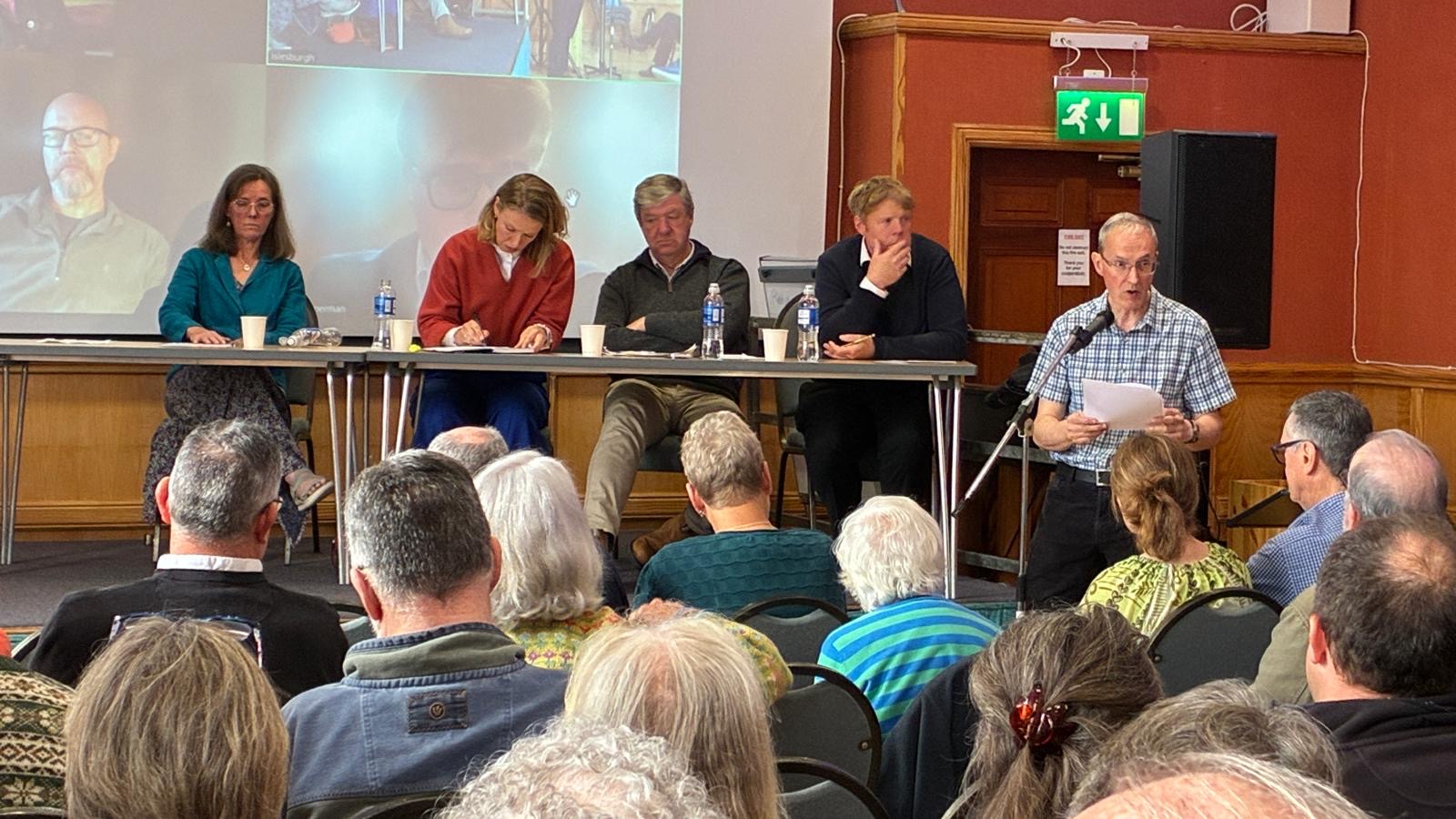
That came at the end of a two-hour convention on Shetland’s energy future, which was organised by the Association of Shetland Community Councils (ASCC) and held at Islesburgh this morning (Saturday).
A packed crowd in room 16 heard testimonies from 12 of Shetland’s community councils, who broadly spoke in support of a moratorium on any new energy developments until a more cohesive plan could be put in place.























Attendees criticised the “piecemeal” approach to planning applications being presented, the lack of meaningful consultation with communities and residents not seeing any tangible financial benefits from the developments they were living with.
Highland councillor Helen Crawford, who was the driving force behind a meeting calling for a pause on energy developments in Scotland last year, was the first to speak at today’s convention.
She said people were “asking what had happened to local democracy” as planning applications they objected to were waved through.
“We do not want to see an unjust or unnecessary industrialisation of rural Scotland,” she said.

A pause on new energy projects would allow for a cumulative impact assessment to be carried out, as well as a national planning inquiry commission.
Community councillors from Burra to Tingwall, Whiteness and Weisdale then took the floor to give representations from their local areas, with the unanimous majority of those present backing a moratorium on further energy developments.
Sandness and Walls Community Council said that new developments “shouldn’t be sold as part of a green revolution” if the projects were simply there for the financial gains of the companies behind them.
And Sandwick Community Council chairman Kevin Sandison said that though their area was “unscathed” by energy developments, there was a feeling of “powerlessness” from some people at what was happening to Shetland at large.
Delting Community Council chairman Alastair Cooper took a different tack, however, saying that while they supported the moratorium they had differing views on future energy projects.
He said the proposed Neshion Energy Park would bring benefits to residents in Mossbank and Firth through discounts of between £800-£1,000 on their energy bills.
And he said that they would also be in favour of any future work at Sullom Voe oil terminal to preserve its lifespan and to protect jobs.
Tingwall, Whiteness and Weisdale chairman Andrew Archer, who brought the moratorium suggestion to the ASCC in July, was the last to speak.
Archer said that they were not saying they were not in favour of renewable energy – but that communities needed to have a greater say and to share properly in the wealth generated.
Pointing to the decision to build a network of overhead lines through Tingwall, he said they had repeatedly asked for the cables to be undergrounded instead – but to no avail.
He claimed that 10 days of generation at the Viking Energy windfarm would have given SSE enough money to have buried the cables.
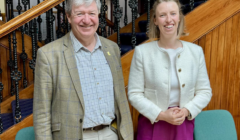
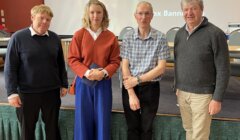
As well as Carmichael and Goodlad, list MSP Tim Eagle from the Conservative Party was in attendance, while MSP Max Bannerman – from Reform UK – attended remotely.
Both Bannerman and Eagle backed the moratorium plans, with Bannerman calling what was happening in Shetland currently “quite indefensible”.
After repeated comments about what more the Scottish Government could do, Goodlad said she could “feel the weight of expectation in the room” about her speech.
However she said her role was to “listen with care” and to take people’s remarks back to colleagues within the SNP government.
She pointed to her own Shetland Energy Act plans – calling for greater local control of energy and fairer prices – as the answer.
Carmichael said he would not support the unified statement presented at the meeting at present, adding: “Just because something works in other parts of Scotland, doesn’t necessarily mean it’s going to work here”.
He pointed out that it did not mention fishing – a major concern raised by Whalsay Community Council – and said a Shetland-specific document should be generated.
“I think we can do better than this ourselves,” he said. “Language matters.”
Similarly Goodlad said she would not support the document at present, saying it did not feel strongly related to Shetland.
Carmichael said he felt it could be re-drafted even across this weekend to make it feel more like it was written in these isles.
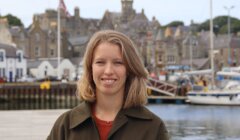
Moraig Lyall, who represents Shetland Central in the council chamber, chaired the meeting and thanked everyone who had given their views.
She said it would now be over to the ASCC to see what the next steps would be.