

Chestnut Bunting adds to list of ‘mega rarities” found this autumn

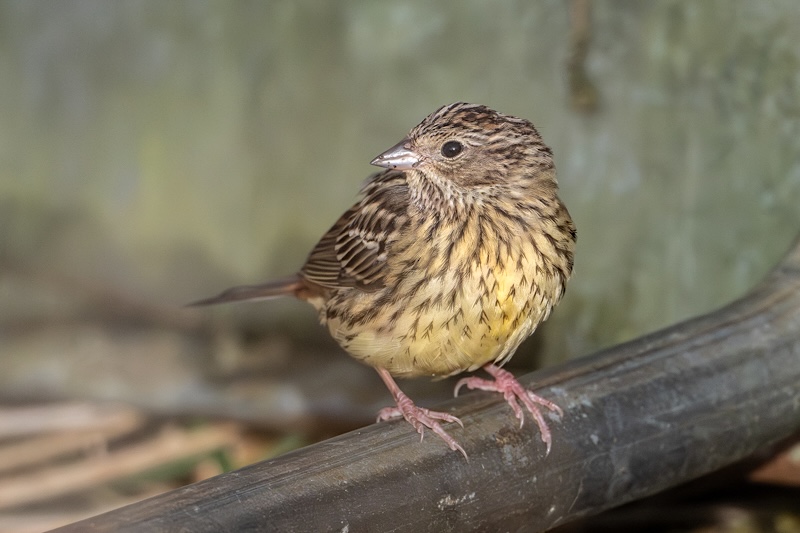
FOR THE third time this autumn, Shetland has set the UK birding scene ablaze with what has been described by insiders as “another mega rarity”.
The Chestnut Bunting found in Baltasound by Unst-based naturalist Brydon Thomason is the first time the species has been recorded in Shetland, and only the second time it has been recorded in Britain.
The only other accepted record on the British list was on Papa Westray in October 2015.
The tiny bird breeds widely across various regions of Eastern Asia, from the southern Taiga forests of Siberia, Northern Mongolia and northeast China and should be migrating south to winter in such regions as northeast India, southern Vietnam, northern Thailand or even southernmost Burma.
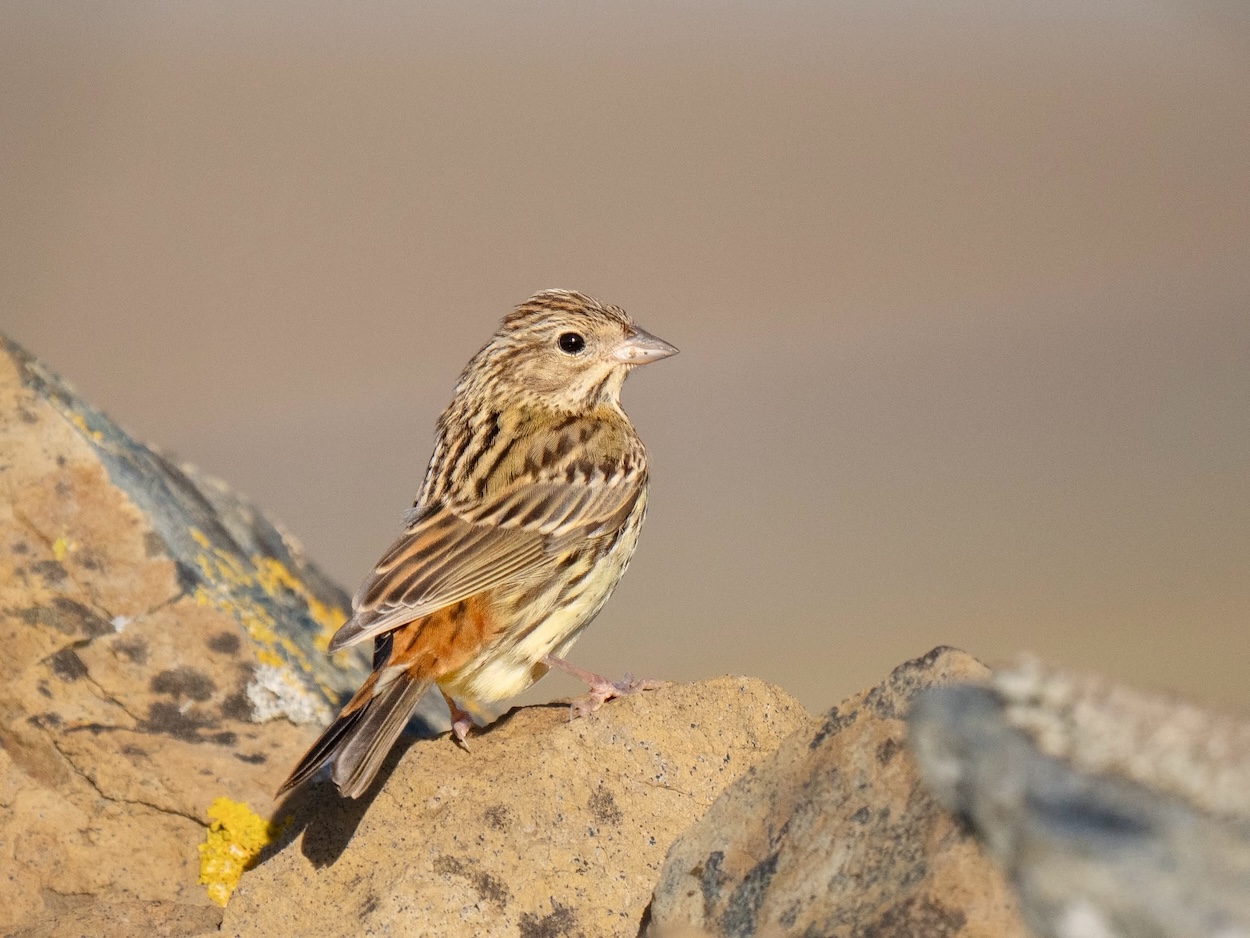
Speaking to Shetland News, a delighted Thomason, of wildlife tour operator Shetland Nature, recalled how he came about the rarity earlier in the week.


























“Work and family commitments leave little time for birding these days so my dog walks with our fox red lab Jango do tend to be pretty strategic,” he said.
“I have various routes I walk him, each targeting different habitats and birding potential which was exactly how I, or should I say, ‘we’ found the bunting!
“Sharing the once-in-a-lifetime experience with my fellow Unst birders, Dave Cooper, Mike Pennington and Richard Fairbank, who were with me (and Jango) within minutes made the whole event all the more memorable.”
The Chestnut Bunting follows hot on the heels of the Siberian Blue Robin and Egyptian Nightjar found earlier this autumn, and which saw twitchers travelling the length of the country to add the species to their lists.
Thomason said so far over 100 birders had travelled north to see the bird for themselves, which was still around yesterday.
“It was a relief this turned up now in the later period of autumn when most visiting birders are gone as managing crowds always adds a stress to what should be a totally mind-blowing and euphoric experience,” he said.
“I was hugely grateful to be able to arrange access to the farm while the bird is present.”


