Faroese hopes for Rosebank to get the go ahead

THE FAROESE Government has expressed its support for the development of the Rosebank oil and gas field to the west of Shetland as it seeks to accelerate efforts to develop its own oil industry.
It comes as newly elected prime minister Beinir Johannesen invites foreign energy companies to search for fossil fuels in Faroese waters.
“Never before has our knowledge of the Faroese continental shelf been greater than it is today. The technology for exploring and drilling for oil continues to improve, and the high oil price has led to renewed exploration activity in our region,” Johannesen said.
“We will therefore step up efforts to encourage foreign oil companies to come to the Faroe Islands to explore for oil.” He added that the new government does not see a contradiction between developing an oil and gas industry and its pledge to accelerate the green transition.
“We believe it is not just about green energy or black energy, but a combination of both,” he said.




















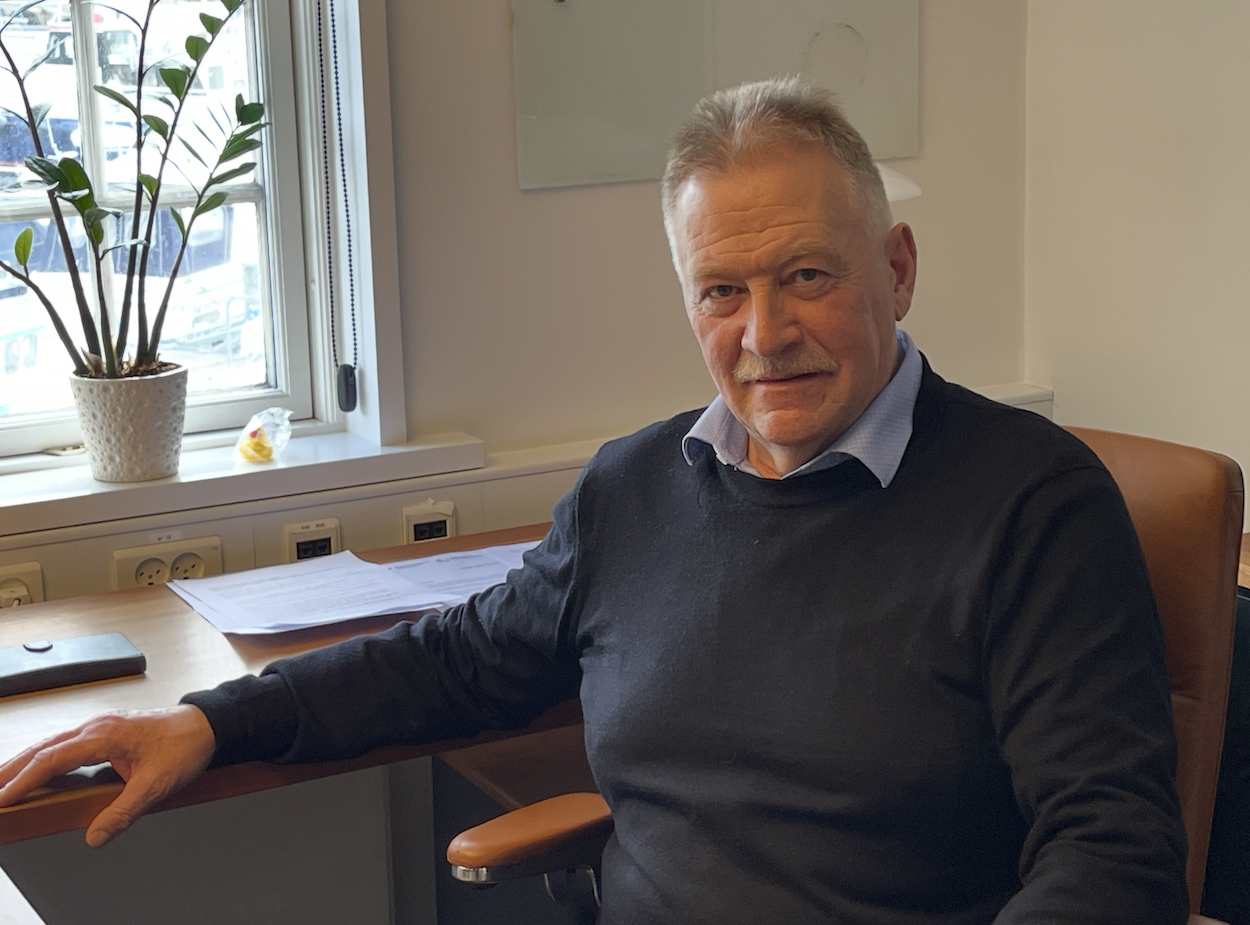
Meanwhile responding to the public consultation on the future of the Rosebank field, the minister for trade and industry Jacob Vestergaard said it was of “great importance to the Faroe Islands” that development of oil activities east of the maritime boundary should be be allowed to continue.
Rosebank, the UK’s largest undeveloped oil and gas field, is just miles from the Faroe’s maritime boundary with the UK and has thus acquired a huge symbolic importance to the Faroese because of this proximity, Vestergaard is reported to have said.
It holds out the promise of finds in the nearby Faroese sector as well as lucrative opportunities for local supply firms, the Faroese government continued.
The same applies to the Cambo field, again a stone’s throw from the maritime boundary.
Exploration took place in the Faroese sector over the period from 2000 to 2014. Traces of oil and gas were found, albeit not in commercial quantities.
A total of nine wells were sunk.
Keep Shetland’s news open to everyone
Your membership helps us report the stories that matter to Shetland — and keep them free for everyone to read.