


Election / University denies Sullom Voe research is shaped by corporate interests


THE UNIVERSITY of Strathclyde has defended its appointment process after the integrity of its research was called into question by the Shetland parliamentary candidate for Scottish Greens.
Earlier this week the university’s Centre for Energy Policy (CEP) warned of another Grangemouth or Mossmorran unless early action is taken towards a “viable transaction to e-fuels and other low carbon activities at Sullom Voe Terminal (SVT)”.
The terminal is operated by oil and gas company EnQuest, whose wholly owned subsidiary Veri is leading the energy transition at the terminal.
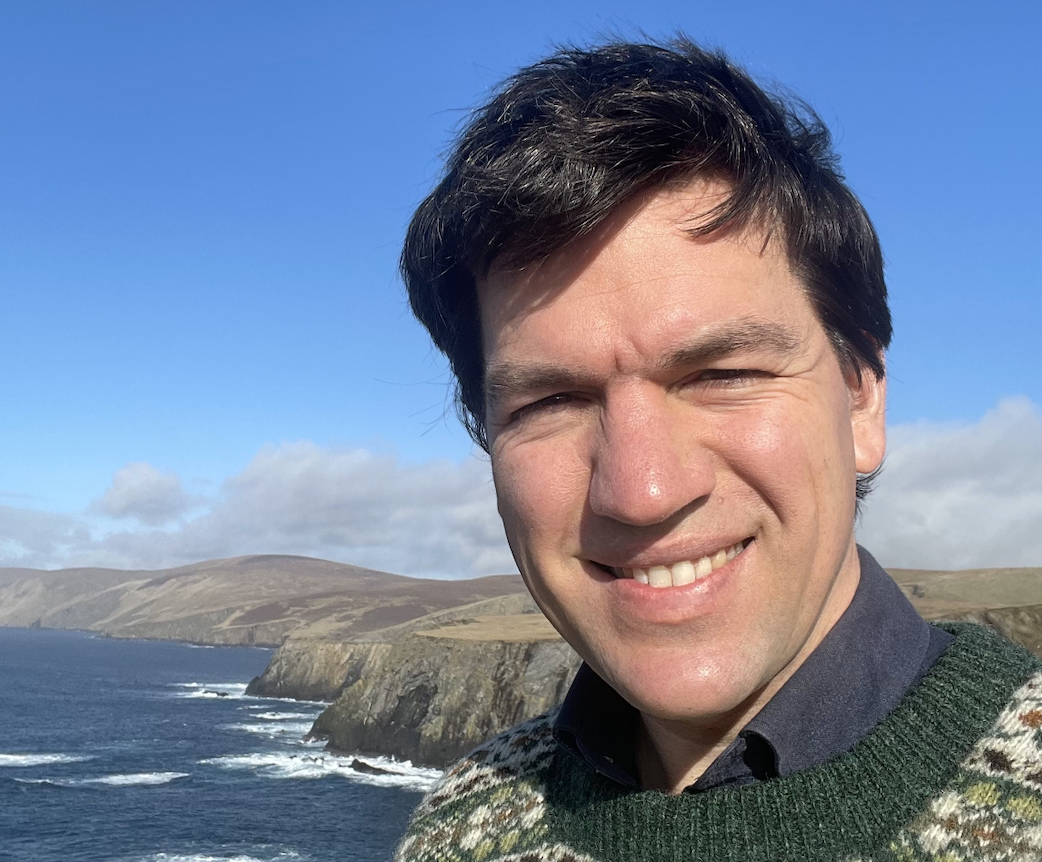
Green candidate Alex Armitage said he found it “highly suspicious that one of Veri Energy’s top executives should take up a university professorship just weeks before that very same university issues a briefing urging government support for Veri Energy”.
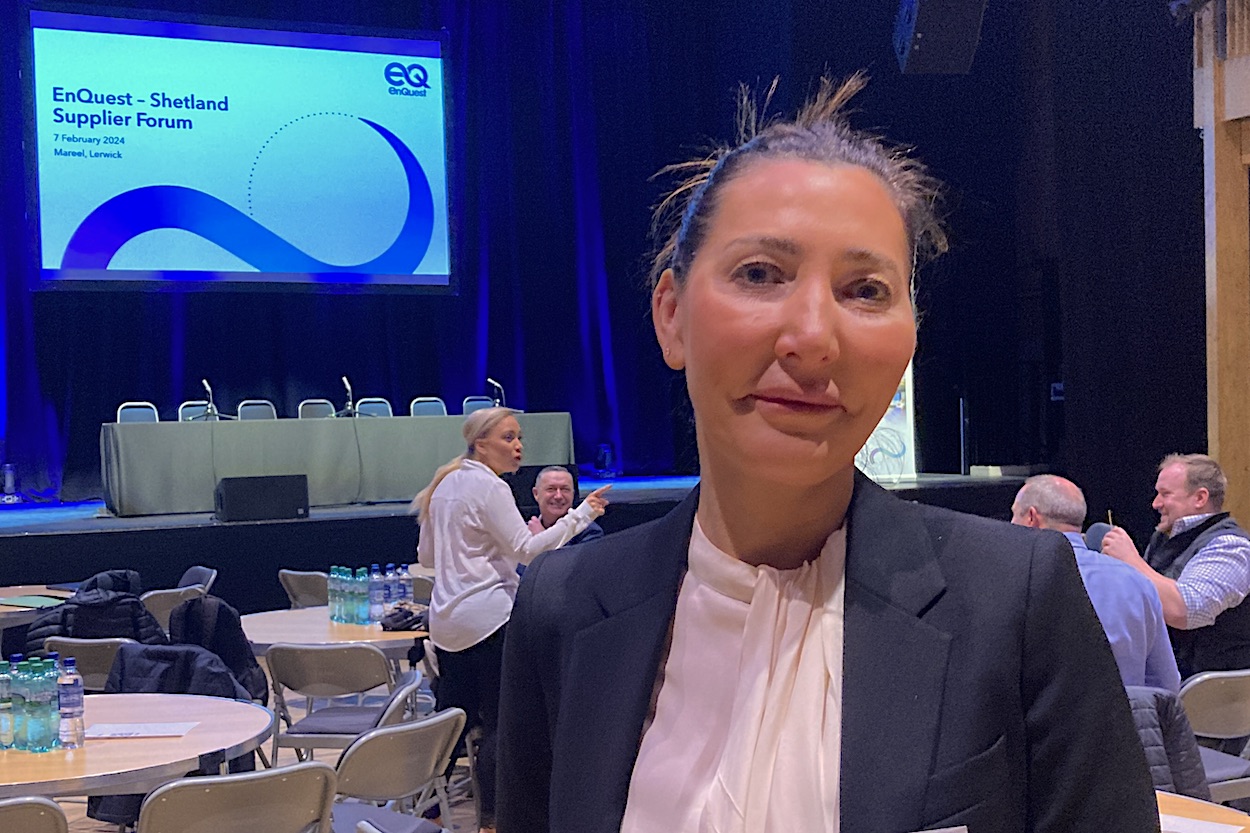





















Last month the company’s commerical head Donna Sutherland announced in a LinkedIn post that she had been appointed as visiting professor at CEP.
Sutherland was contacted yesterday by Shetland News but did not respond.
In her LinkedIn message she said she was grateful for the trust placed in her.
“I am genuinely honoured to contribute alongside a small group of leaders active in the energy and policy space, and I look forward to supporting CEP’s mission to advance rigorous, impactful, and solutions-focused energy policy,” she added.
But Armitage, who also is the Green councillor for the Shetland South ward, said he “could smell a rat” when “a seemingly reputable university department, specifically urging public backing for a corporate energy project”.
He added: “A spanner needs to be jammed firmly in the revolving door between corporate boardrooms and our public institutions.
Become a member of Shetland News
“The tentacles of these big corporations reach deep inside political parties, the media, think tanks and in this case, university departments, to act as supposedly reputable fronts for their lobbying operations.”
The university however responded strongly saying that “any suggestion any suggestion that our research and analysis is shaped by corporate interests is simply wrong”.
A spokesperson, who responded after professor Karen Turner, who led the Shetland research had been contacted, said the University of Strathclyde treats questions about research integrity with the utmost seriousness.
“The Centre for Energy Policy regularly publishes independent research, analysis and policy papers. These draw on information from a range of sources as part of established academic processes,” he said.
“Neither Veri Energy, nor any other external party, had any role in drafting, reviewing or approving the analysis or conclusions of the policy briefings relating to proposed activities at Sullom Voe, which were commissioned by UK Research and Innovation, the UK Government’s national funding agency.
“The university works with industry partners through established governance and ethical frameworks to ensure our research remains independent, credible and focused on delivering public benefit.
“The university appoints a wide range of visiting professors; these are unpaid positions.”
Become a member of Shetland News
Shetland News is asking its readers to consider paying for membership to get additional perks:
- Removal of third-party ads;
- Bookmark posts to read later;
- Exclusive curated weekly newsletter;
- Hide membership messages;
- Comments open for discussion.
If you appreciate what we do and feel strongly about impartial local journalism, then please become a member of Shetland News by either making a single payment, or setting up a monthly, quarterly or yearly subscription.