
Marine / Fishing concern as large salmon farm receives planning consent
There have been a range of reactions to news that Scottish Sea Farms’ 6,000 tonne Fish Holm development has received planning approval

CONTRASTING views have been expressed after planning consent was given for what would be Scotland’s largest salmon farm, in Shetland – with local fishing representatives particularly disappointed.
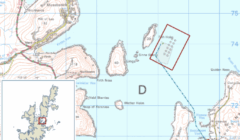
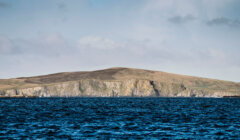
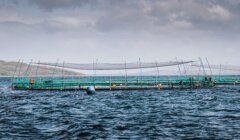
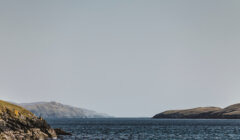
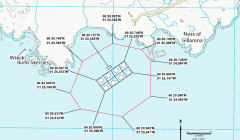
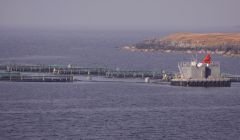
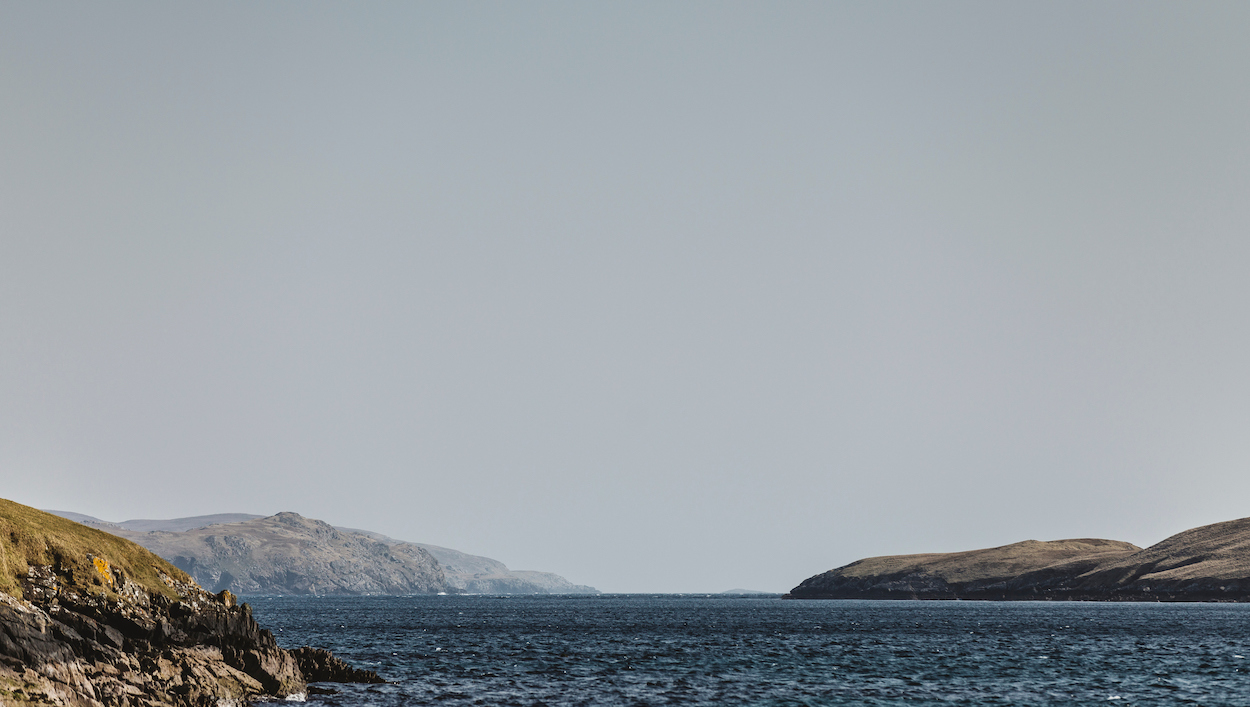
Scottish Sea Farms’ Fish Holm development will contain 12 pens of 160 metres circumference in waters east of Mossbank.
The company said it is part of a move towards “fewer, larger sites in deeper, high-energy waters that support fish health and welfare”, while also referencing the employment opportunities salmon farming brings to Shetland.
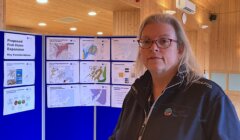
But Shetland Fishermen’s Association executive officer Sheila Keith said “disappointment doesn’t come close to describing how fishermen feel about the decision” in relation to the salmon farm’s impact on traditional grounds.
Green election candidate for May’s Scottish Parliament election Alex Armitage has meanwhile called for a moratorium on new salmon farms around Shetland.
But the other salmon farm company operating in Shetland – Cooke Aquaculture – has now also submitted a planning application for a 12-pen development off Vementry.



















This development, which has been in the pre-planning phase for several years, would be much smaller than Fish Holm and feature 120 metre circumference pens.
Scottish Sea Farms’ Fish Holm development drew concern from a number of parties during the planning process, including from fishing representatives who said it would impact on traditional grounds.
The Shetland Shellfish Management Organisation called on the SIC to refuse the application “rather than gamble with this vital part of Shetland’s fisheries ecosystem”.
The salmon farm will be able to deal with 6,000 tonnes of fish. It will be Scotland’s largest in terms of tonnage, and is thought it would also be the UK’s biggest.
Scottish Sea Farms is relinquishing other licences in the area, but there will be an overall increase in biomass of nearly 1,000 tonnes.
Become a member of Shetland News
The development was the first fish farm in Scotland to go through a pilot pre-planning process, which aimed to streamline things.
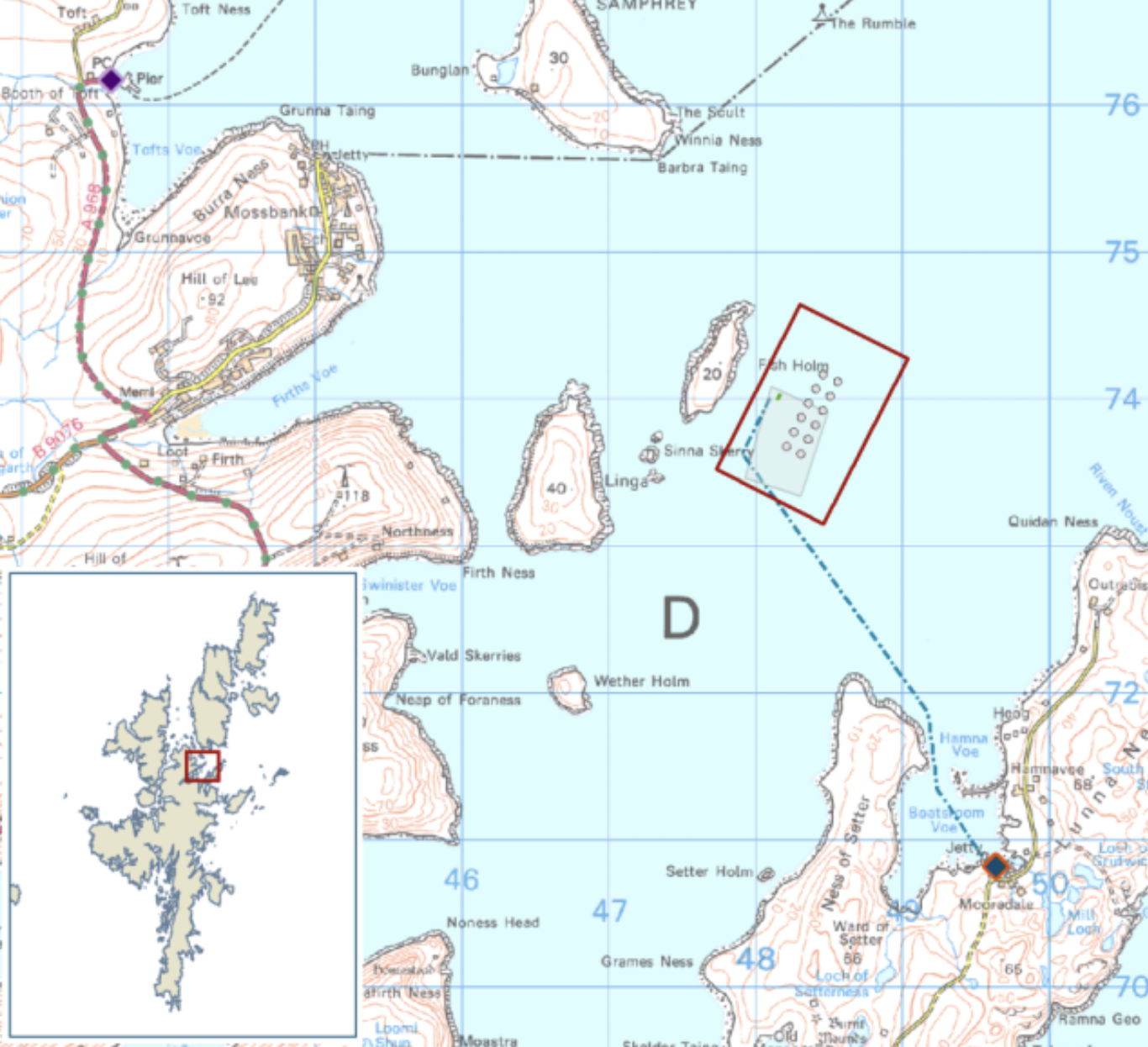
Fish Holm was originally set to be larger, with 200 metre pens initially proposed, before being reduced to 160 metres.
Statutory consultee NatureScot initially lodged an objection to the plans following concerns over the impact on some protected bird species, but it ultimately removed this.
In its decision, Shetland Islands Council’s planning service said the development is “considered to be acceptable and will have no significant adverse impact on the natural and historic environment, nor upon the landscape and visual amenity of the site and surrounding area”.
The decision added that on balance it is “considered to be acceptable with regards impacts on other marine users when account is taken of socio-economic effects”.
The planning authority however did acknowledge that “addressing competition for the same space in the marine environment by competing sectors is a significant challenge”.
It also said it “accepted and understood that fishermen and their representative bodies” do not consider that proposed mitigation would “meaningfully address the impacts the proposed development will have on the fishing sector”.
But planners added: “The view of the fishing sector that aquaculture developments should consider locations where fishing does not occur is understandable, but it is also the case that there are instances where optimum and viable locations for fish farm developments are situated in areas where fishing takes place.”
They also said Scottish Sea Farms selected the site as it was the “most suitable location in this area for a development of this scale”.
A spokesperson for the company said they welcomed the planning decision, adding that “developments such as Fish Holm help retain and support skilled local jobs now and into the future”.
The company employs nearly 300 people in Shetland, making it the largest private employer with a salary spend of around £15 million a year. It also said it supports more than 120 Shetland-based suppliers with annual spending of £27.1 million.
A number of local companies wrote letters of support for Fish Holm during the planning process to highlight the economic benefits it could bring, including Ocean Kinetics, Ocean Farm Services and haulage firm DFDS.
Scottish Sea Farms also said it believes salmon farming “must co-exist with other marine users while delivering long-term benefits for the islands”.
It added: “The proposals at Fish Holm are not about creating a new farm in new waters. They involve expanding an existing consented site and vacating another, creating one larger farm that improves fish health and welfare while freeing up space for other marine users.
“As part of this approach, we have already worked with fishermen to consolidate activity into fewer locations, demonstrating that marine space can be shared.”
But Shetland Fishermen’s Association executive officer Sheila Keith said fishermen have opposed the development for “good reason”.
“It represents yet another erosion of the inshore grounds that generations have relied on to make a living,” she said.
“Fish Holm is not a blank space on a chart. It is an active, productive fishing ground worked by small, locally-owned boats whose crews depend on it to support their families and sustain the island economy. For scallop fishermen in particular, these waters are irreplaceable.
“By approving a development of this scale directly over such grounds, the decision effectively shuts out those who have fished them responsibly for decades.
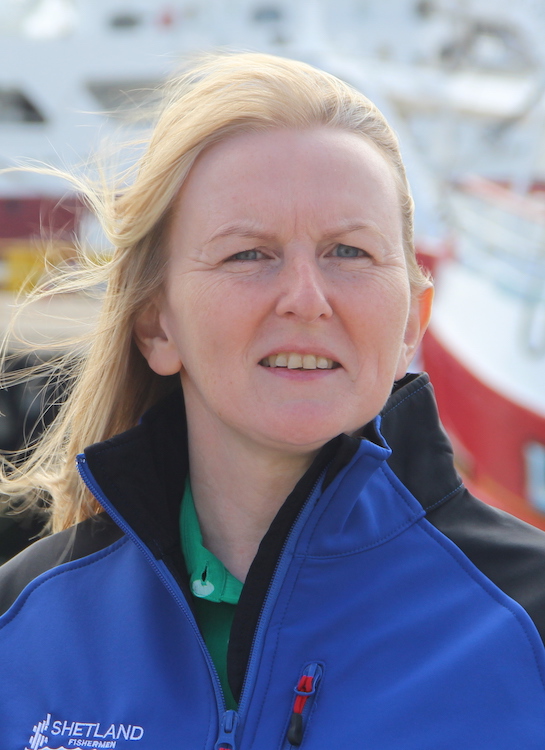
“We have repeatedly tried to work constructively with the aquaculture sector, urging greater respect for the fishing industry and its importance to island life. Yet this decision makes it harder for fishermen to believe their concerns carry any weight with developers or with the local authority.
“Shetland’s fishing industry remains one of the last truly local, community‑rooted sectors in the isles. It deserves space to operate and decisions that recognise its value. Instead, fishermen are left wondering what future remains for them, especially with more proposals of this kind already lining up behind Fish Holm.”
Meanwhile conservation group WildFish said it is “deeply disappointed” by the decision.
Scotland director Nick Underdown said: “Like many others with a concern about our wild salmon populations, WildFish is deeply disappointed that Shetland Islands Council has approved the development in Yell Sound, slated to be Scotland’s largest ever salmon farm.
“This represents an unprecedented expansion of industrial salmon farming in an area already hosting multiple large sites. The proposed 6,000-tonne biomass raises serious concerns about cumulative impacts on wild sea trout, particularly from sea lice.”
Scottish Greens’ local election candidate Alex Armitage said “profits from this salmon farm will flow out of Shetland into the bank accounts of the super rich, at the expense of the natural environment and our community owned, community managed shellfish fishery”.
He added that the Greens are “not calling for the destruction of salmon farming – we are calling on a moratorium on new salmon farms around Shetland”.
Fish Holm comes in addition to the company’s already consented 4,100-tonne Billy Baa farm to the west of South Whiteness, which will launch this year.
Meanwhile Cooke Aquaculture’s plans for a new salmon farm off Vementry are progressing.
A planning application has now been submitted to Shetland Islands Council, highlighting it would have a maximum biomass of 1,350 tonnes.
Cooke wrote in a non-technical summary that “with embedded mitigation in place, the development is not predicted to result in any significant adverse environmental effects and is expected to operate safely and sustainably within the receiving environment, while delivering meaningful socio-economic benefits for the local area and the wider Shetland community”.
However, planning documents do say that the ‘moorings containment area’ overlaps with areas used by local commercial fisheries, particularly small-scale static gear operators such as shellfish creelers.
The new comes as the industry said today (Thursday) that Scottish salmon remains the UK’s top food export, with international sales of nearly £830 million in 2025.
Scottish salmon was exported to 45 countries last year, with growth of more than 18 per cent in Asian markets.
Tavish Scott, chief executive of trade body Salmon Scotland, said: “Today’s exports show the surging global appetite for Scottish salmon, a product widely regarded as the finest in the world and increasingly chosen by consumers who care about quality.
“Salmon farmers in our rural and coastal communities work every day to raise healthy fish that ends up on plates in dozens of countries worldwide. This success matters for the rural and island communities that depend on salmon farming for skilled, year-round employment.”
Become a member of Shetland News
Shetland News is asking its readers to consider paying for membership to get additional perks:
- Removal of third-party ads;
- Bookmark posts to read later;
- Exclusive curated weekly newsletter;
- Hide membership messages;
- Comments open for discussion.
If you appreciate what we do and feel strongly about impartial local journalism, then please become a member of Shetland News by either making a single payment, or setting up a monthly, quarterly or yearly subscription.