

Marine / Fishing report on offshore wind calls for ‘sustainably managed, multi-use marine future’

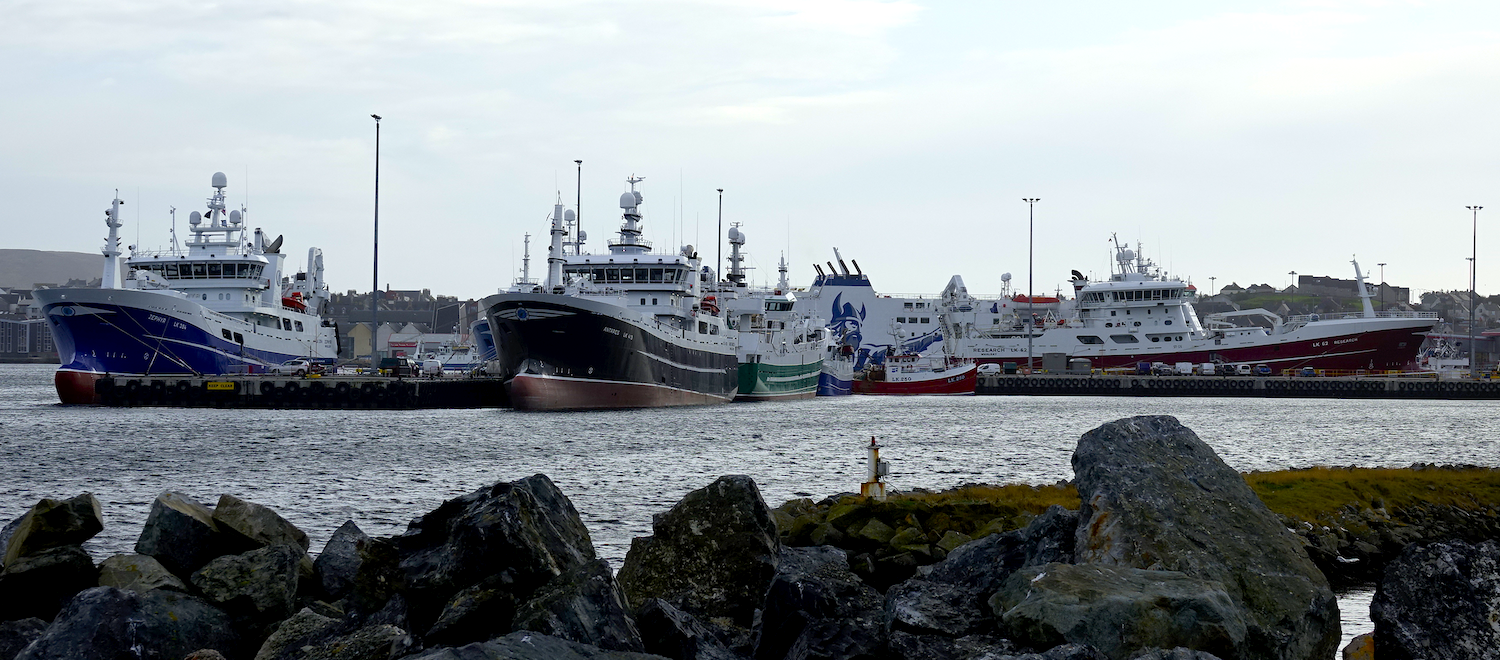
THE DEVELOPMENT of offshore wind farms in waters off Shetland must only proceed “in tandem with robust measures” to safeguard fishing livelihoods, a report has concluded.
The report, compiled by consultants Voar for the Shetland Fishermen’s Association (SFA), repeats the long-held concern over the so-called “spatial squeeze” offshore wind farms could create.
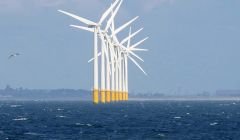
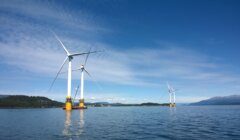

Two offshore wind projects are proposed to the east of Shetland – Arven and Stoura – and although they have yet to receive the final go-ahead, estimates suggest they could enter production in the 2030s.
While both projects say they are liaising with the fishing sector, they have drawn significant concern from the industry over potential displacement in areas used for demersal and pelagic fishing.
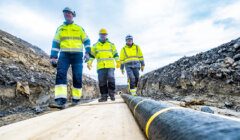
The concern also extends to the associated cabling.
The report says that “fishermen fear a patchwork of exclusion areas that collectively erode their accessible grounds and viability”.
Its introduction said the report seeks to inform both “local stakeholders and national policymakers” about the challenges and choices ahead.























It added that the report’s findings are intended to contribute to policy and marine planning decisions to support “fair, sustainable working arrangements for fishermen alongside other sea users”.
The Voar report highlighted that the projects to the east of Shetland have lease areas of around 558 square kilometres – equivalent to 38 per cent of Shetland’s land area.
The combined generating capacity would be 2.8GW, which is 56 times Shetland’s current peak electrical demand.
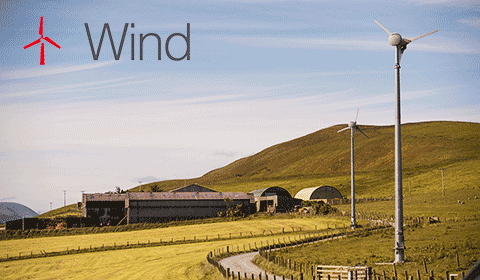
The offshore wind projects come on top of significant activity proposed on land in Shetland in the coming years, from more wind farms to substations, pylons and ammonia plants.
There also could be potential electrification of oil and gas assets to the west of Shetland by cable from Shetland.
Shetland’s surrounding waters produce around 33 per cent of the nation’s fish catch, despite making up around 17 per cent of the UK’s sea area.
Become a member of Shetland News
The report also highlights how a small percentage loss of Shetland pelagic catch translates to a large tonnage of fish and value.
It said if five per cent of Shetland’s overall pelagic catch was negatively affected by exclusion zones, this would represent 15 to 20 thousand tonnes of fish annually, worth around £20 million.
It added: “In summary, the potential impacts on Shetland’s fishing grounds from offshore wind, tidal, hydrogen, cabling, electrification and MPAs [marine protection areas] are significant and multifaceted.
“Demersal fisheries risk losing key trawling areas to wind farms and conservation zones; pelagic fisheries face exclusion from productive open-water zones; and shellfish fisheries are squeezed in the inshore areas by a variety of uses and protections.
“It is imperative that all stakeholders – from national government to energy developers to regulators – acknowledge the scale of the spatial challenges identified, so that proactive steps can be taken to ensure Shetland’s fishermen are not simply left as ‘accidental casualties’ of the energy transition, but rather partners in a sustainably managed, multi-use marine future.”
The report also raises the idea of compensation for displacement from fishing grounds.
In the UK there is no standardised scheme for this, and instead is negotiated on an ad-hoc basis.
However, developers in other countries have begun offering structured compensation packages, including in Poland.
Fishing vessel owners who historically worked in a planned wind farm area in Poland are now receiving annual payments ranging from about €3,500 up to €11,500 per year.
The report added: “It was noted during interviews with Shetland fisherman that such compensation schemes fell far below the values of actual loss.
“Other UK-based fishermen similarly noted that compensation measures have been inadequate. They argue for a nationwide, industry-wide standard so that a crew put out of work by an offshore wind lease isn’t left to negotiate alone.”
The report does highlight the potential economic benefits of offshore renewable energy development around Shetland.
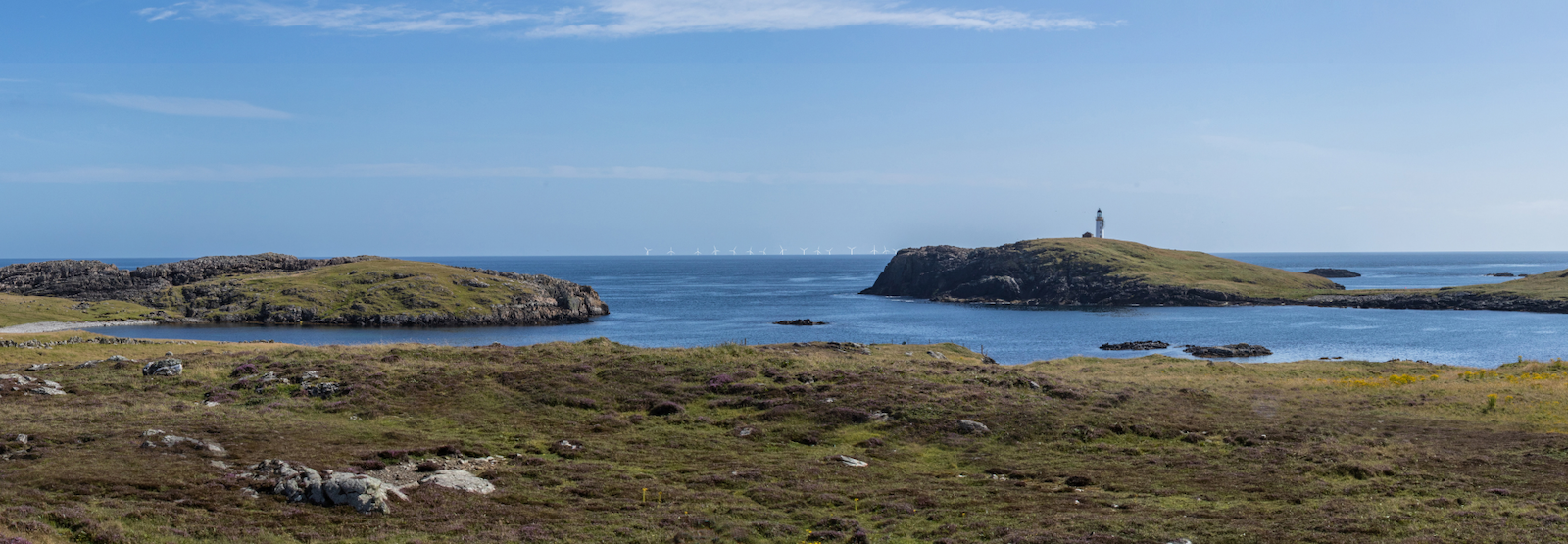
It noted the Moray Firth offshore wind farm, which at 882MW in capacity involved an investment of around £2.5 billion and during construction created roughly 1,500 full-time equivalent “job-years” of employment in Scotland.
The report also highlighted the supply chain benefits as well as potential upgrades to port infrastructure.
There is also a focus on balance, where fishing and offshore wind development co-exist.
The report said local politicians and fisheries stakeholders are “not trying to halt new sectors outright; rather, they searching for a balance where renewable projects are done in a measured way […] and where the economic gains are shared”.
It also calls for stricter rules to steer energy infrastructure away from fishing grounds and nursery areas, stronger consultation with fishermen and “fair benefit-sharing” and meaningful compensation mechanisms.
Commenting on the report, SFA executive officer Daniel Lawson said the locally owned fishing fleet is being put in “serious jeopardy” by offshore wind projects.
“Government and energy industry leaders need to realise that skippers cannot just move somewhere else,” he said.
“Wind farms of the type and scale proposed to the east of Shetland will permanently exclude vessels from some of the most productive fishing grounds in the world.
“Worst of all, unlike the fishing industry, ownership of these projects lies outwith Shetland, meaning the economic benefits derived from Shetland’s seas will shift away from local hands to outside interests.”
Voar’s Daniel Gear added: “Our analysis shows that the key issue isn’t any individual project, but the way multiple developments or restrictions interact to narrow the sea space that fishermen rely on.
“Unless that cumulative impact is actively managed, the balance of who benefits from Shetland’s waters will shift, not by design, but by default.”
The report has also received the backing of candidates for the 2026 election Scottish Parliament election in Shetland.
Liberal Democrat candidate Emma Macdonald said Shetland’s fishing industry is “woven into our economy, our identity, and our way of life” – yet the “growing scale and pace of offshore development now risk pushing our island fleet to the margins”.
“We are not opposed to renewable energy – far from it. But a just transition cannot mean sacrificing our local livelihoods or treating Shetland’s seas as a playground for distant developers,” she said.
“The industry has been clear: it does not object to sharing the sea – it objects to being ignored.
“Decisions about Shetland’s waters must involve Shetland from the very start, with safeguards that protect key fishing grounds and ensure our communities benefit fairly.”
SNP candidate Hannah Mary Goodlad said the report was “thorough and well researched”.
“Shetland needs industry, we always have had industry,” she said in a post on social media.
“It is important for jobs and for folks wanting to call Shetland home and raise a family.
“But industry should not be at any cost. It must be on our terms. Our fishing industry is such an important part of our island economy and way of life.”
Labour candidate John Erskine was contacted for a comment but did not provide a response prior to publication.
Earlier this year during a visit to Shetland, Scottish first minister John Swinney gave an assurance that the views of the fishing industry will be listened to as the offshore wind sector develops.
He said the government “engages closely with fishing interests about all of the different questions that are involved”.
“We have to make sure that all of the perspectives of the fishing industry are taken into account as we take forward all of the decision making,” he added.
Arven meanwhile previously said it will “continue to engage with representatives of fisheries associations and organisations”, in order to “corroborate baseline data, gain insight into fishing methods used, understand the views of fisheries stakeholders and discuss approaches to mitigation and monitoring”.
Meanwhile project director of Stoura, Dr Cian Desmond, previously said fisheries is a “huge” thing for developer ESB.
In September he said the company had a “strong relationship” with the industry and a lot of engagement and meeting with senior representatives have already taken place.
“We’re working closely with the fisheries organisations and it’s all about understanding what the impact is going to be of what we’re proposing,” Desmond also said last year.
Become a member of Shetland News
Shetland News is asking its readers to consider paying for membership to get additional perks:
- Removal of third-party ads;
- Bookmark posts to read later;
- Exclusive curated weekly newsletter;
- Hide membership messages;
- Comments open for discussion.
If you appreciate what we do and feel strongly about impartial local journalism, then please become a member of Shetland News by either making a single payment, or setting up a monthly, quarterly or yearly subscription.