Health board keen to hear more about plans to deliver medicine by drone
It comes as a national project to launch a medical drone delivery network reaches its next phase

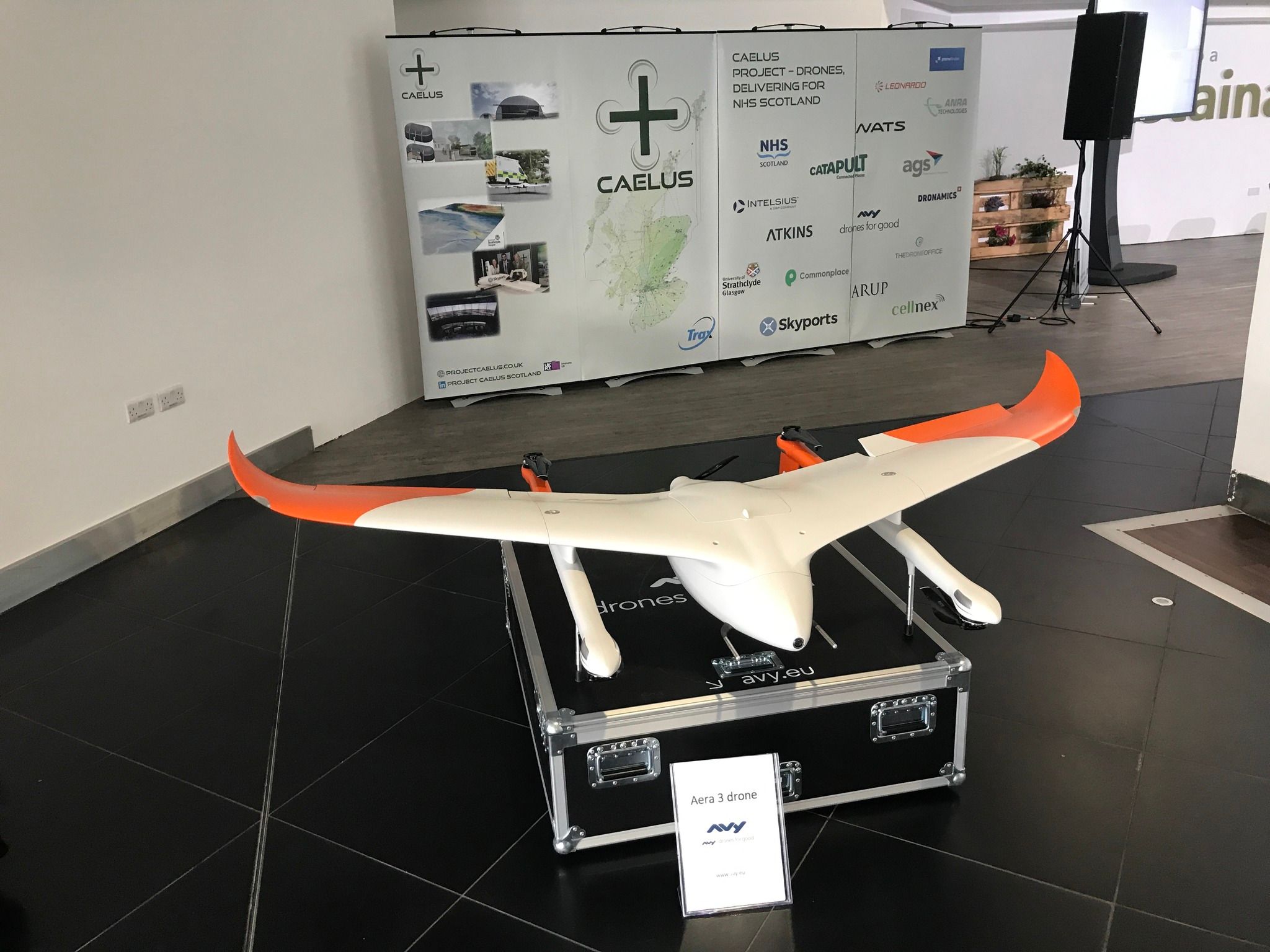
NHS Shetland is continuing to engage in discussions around opportunities to use drones to deliver essential medicines.
It comes as a project to develop the UK’s first medical drone delivery network reaches its next phase.
The CAELUS programme secured just over £10 million of government funding via the UK Research and Innovation body last month.
It brings together 16 partners, including NHS Scotland and the University of Strathclyde, to work on plans for a system in which essential medicine, blood and other medical supplies could be transported by drone – including to remote communities.
The project also involves AGS Airports Limited, the owner of the Aberdeen and Glasgow airports.
It echoes separate plans by the Royal Mail to use drones to deliver mail to islands before posties distribute the letters and parcels.
Director of pharmacy for NHS Shetland and NHS Orkney Anthony McDavitt said the local health board recognises how beneficial a drone service could be.
“While we haven’t been directly involved in the first stage of the [CAELUS] project, a member of staff was present at a recent workshop where further stages were discussed,” he continued.
“However, it is possible that during the next two years as the project progresses, the board, along with other North of Scotland health boards, will become more involved with the work.
“As part of this, we will continue to work with other health boards facing similar geographical challenges to look to understand how we use new technologies to support logistics in medicines supply in the future.”
The consortium behind CAELUS has already designed drone landing stations for NHS sites across Scotland and developed a virtual model of the proposed delivery network which connects hospitals, pathology laboratories, distribution centres and GP surgeries.
The second phase will involve live flight trials and removing remaining barriers to safely using drones at scale within Scotland’s airspace.
Help keep Shetland’s news open to everyone

Good local journalism takes time, care and people on the ground. Membership helps us keep reporting the stories that matter to Shetland — and keep them free for everyone to read. Members get a weekly newsletter created especially for them, local ads only, and can bookmark stories and join the conversation in the comments.
NHS Grampian’s program lead for innovation Hazel Dempsey said: “We are incredibly excited to be the lead board for this high-end innovative project.
“Our aim, from an NHS perspective, is to test the use of drone technology in urban, remote, rural and island landscapes.
“We want to test if using drones to will improve important aspects of our logistics service, for example, to test the transportation of laboratory samples, blood products, chemotherapy, and medicine delivery.
“Ultimately, we want to explore if drone technology can speed up diagnosis and treatment of medical problems.
“This has the potential to improve services for those whose care is dependent on rail, ferry or airline timetables and help keep people at home where they can be supported by families and loved ones.”
Keep Shetland’s news open to everyone
Your membership helps us report the stories that matter to Shetland — and keep them free for everyone to read.