

Energy / Lease for 500MW Arven offshore wind farm set to be handed back

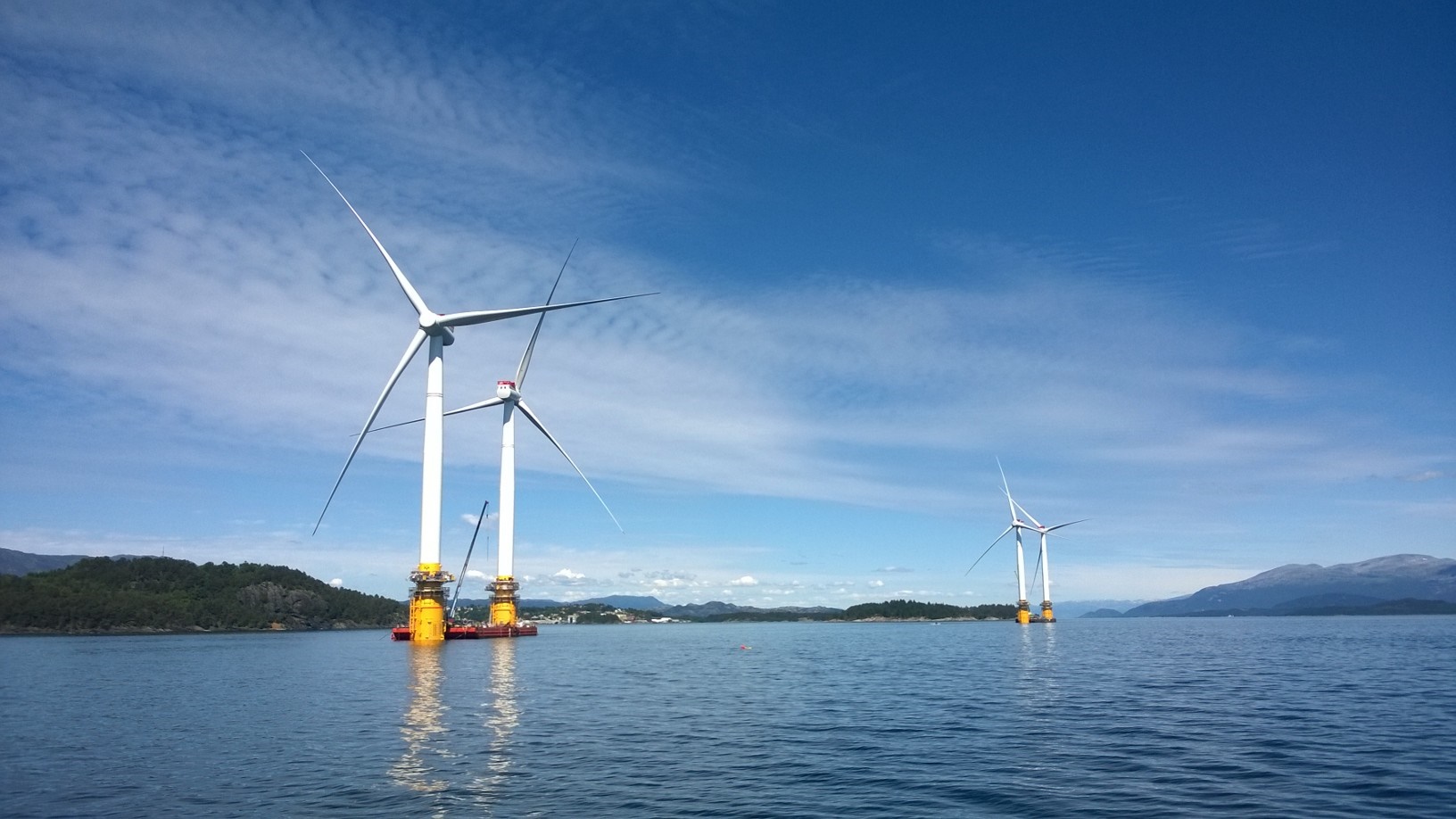
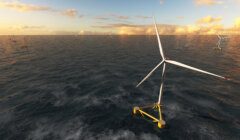
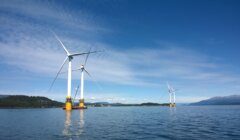
THE COMPANY behind a planned 500MW offshore wind farm off the coast of Shetland is set to give up the lease.
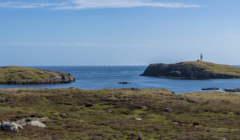
Ocean Winds is to hand the lease option for the 500MW Arven South site – around 22km east of Bressay – back to Crown Estate Scotland.
But it will keep its lease for the larger 1.8GW Arven wind farm site in the same area.
The move comes a year after the other developer on the project, Mainstream Renewable Power, pulled out.
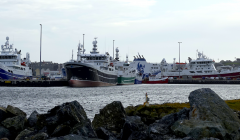
Strong representations from the fishing industry were cited by the energy developer as one of the key reasons for the move.
Mainstream Renewable Power and Ocean Winds signed a £36 million seabed lease agreement with Crown Estate Scotland to for the development of a 1.8 GW floating offshore wind farm off Shetland.
























Separately a 500MW offshore wind farm site was awarded to Ocean Winds just south of this, but a deal was later struck for both sites to be developed jointly under the Arven name.
Arven South’s board of directors said the decision to hand back the lease on the 500MW development had been “driven by the viability of the site” within the lease agreement time.
It said that “specifically the lack of a viable grid connection” and “no foreseeable alternative route to market” left them with no choice.
“The decision has also been influenced by discussions with various local stakeholders specifically the fisheries-related interests at the proposed site,” Arven South’s board said.
Arven project director Mark Baxter said that the company remained “committed to Arven’s overall success” but would be handing back the lease for the smaller 500MW site.
While the sites had been developed jointly, the 1.8GW and 500MW sites were contractually different entities under the Crown Estate Scotland lease scheme.
Become a member of Shetland News
“The decision reflects the limitations of the available route to market options, and challenges in the offshore wind market, not least transmission charging signals which significantly constrain investment in our Scottish projects,” Baxter said.
Baxter said they were planning to develop the remaining 1.8GW Arven site “incrementally”, through the proposed Shetland 2 HVDC subsea link.
He added that local and national fishing representatives had made “strong and consistent requests for consolidation away from the Arven South site”.
The Arven project director said they recognised that the Arven South site was closer to traditional fishing grounds than the 1.8GW development.
Shetland Fishermen’s Association executive officer Sheila Keith said the decision was a “significant moment” in the debate over offshore wind farms and fishing communities.
“We welcome the company’s acknowledgement that the impacts on fishing were a major factor in reaching that conclusion,” she said.
“It reinforces what our industry has said consistently: large scale offshore wind, or any other development, cannot simply be imposed on productive fishing grounds without fully assessing the impact on the ecosystem, the environment, the economy, or the communities that depend on them, and these assessments must be carried out before any leases are awarded.

“The withdrawal of Arven South highlights another example of how the rush toward marine development has outpaced proper planning, evidence, and respect for existing marine users.
“While we are pleased with this decision, financial viability clearly played a major role alongside the acknowledged impacts on fishing.
“This underlines the urgent need for reform of the marine planning system, offshore and inshore, to ensure that fishing is properly valued and protected in future decision making.”
Keith said the decision “again highlights the Crown Estate’s flawed approach to selecting offshore wind lease areas”.
“We support the transition to cleaner energy, but not at the cost of undermining a sustainable, locally rooted industry that has fed the nation, and supported Shetland’s economy, for generations.
“The cancellation of Arven South should be a turning point and act as a reminder that the sea is a working environment that must be managed responsibly, not treated as an empty canvas for outside interests.”
Arven project director Baxter said that, despite this decision on the 500MW site, they still expected Arven to be an “important part of the Shetland community”.
He added it would support the economy, deliver “transformational jobs” and “play a substantial part in Shetland, Scotland and the UK’s energy transition”.
A report in December concluded that offshore wind farms off Shetland could only proceed “in tandem with robust measures” to protect fishing livelihoods.
Both the Arven project and the nearby Stoura offshore wind farm – which could generate up to 500MW of energy and is being developed by Irish firm ESB – have drawn significant concerns from the fishing sector over potential displacement.
Arven has said previously that construction of its wind farm could start in the early 2030s, and be in operation by the mid 2030s.
Become a member of Shetland News
Shetland News is asking its readers to consider paying for membership to get additional perks:
- Removal of third-party ads;
- Bookmark posts to read later;
- Exclusive curated weekly newsletter;
- Hide membership messages;
- Comments open for discussion.
If you appreciate what we do and feel strongly about impartial local journalism, then please become a member of Shetland News by either making a single payment, or setting up a monthly, quarterly or yearly subscription.