

Energy / Viking responsible for over quarter of Scotland’s wasted energy in 2025
SSE Renewables earns almost £10m in constraint payments during same period

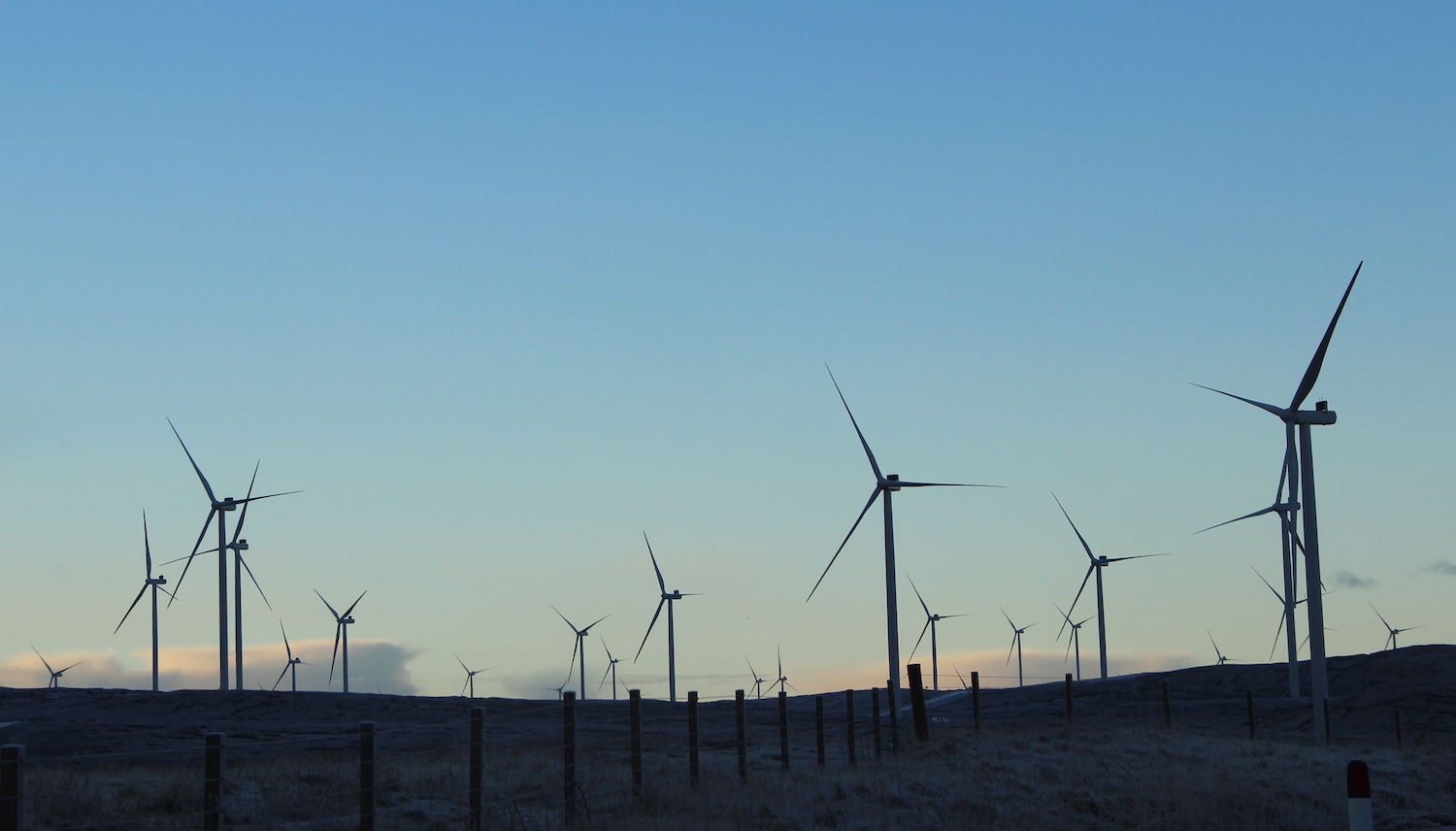
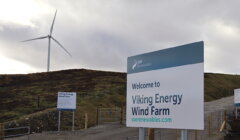
MORE THAN a quarter of Scotland’s wasted onshore energy came solely from the Viking wind farm in 2025, earning SSE nearly £10 million in constraint payments.
Over one million MWh of energy went unused after being generated by the Viking wind turbines last year, making it comfortably the worst-offending onshore development in Scotland for wasted energy.
The second-worst performer, the Dorenell wind farm in Moray, discarded just 290,062MWh by comparison – a difference of 810,676MWh.
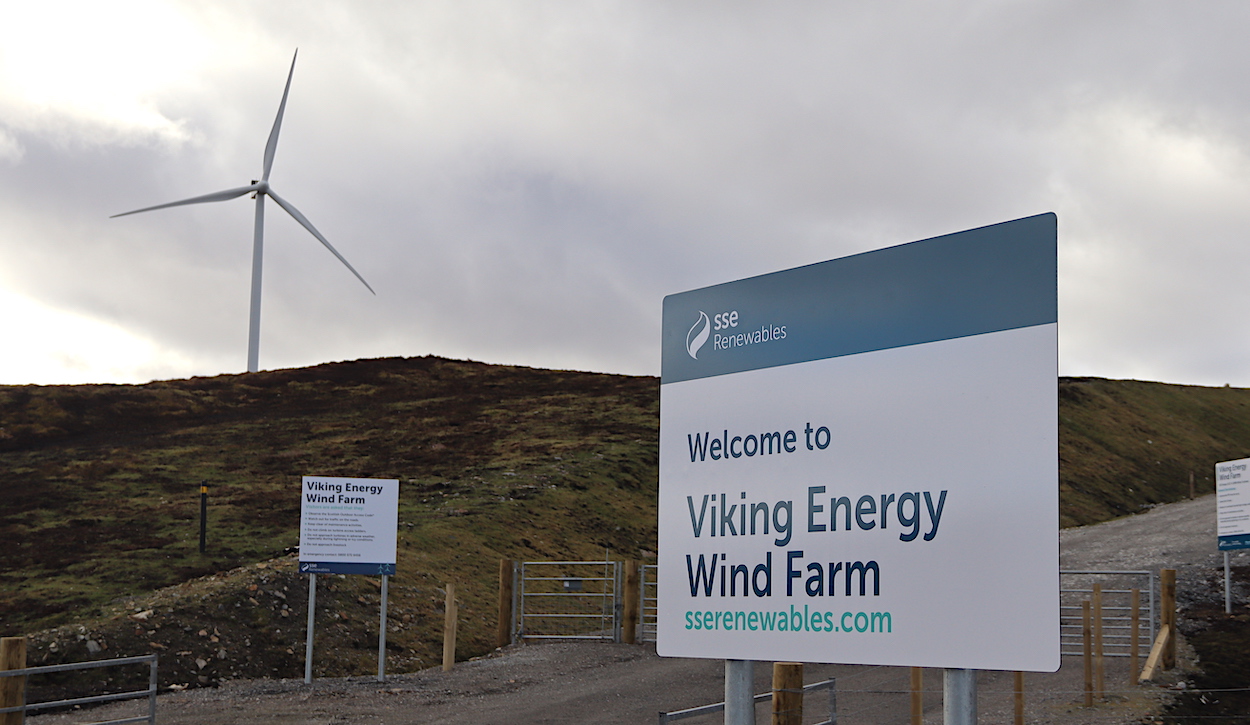
SSE received £9,631,696 in constraint payments as a result of wasted energy and turbines being turned off at its 103-turbine Viking site in Shetland’s central mainland.
The payments are given to energy companies when they are asked to reduce their output because energy cannot be used by the National Grid.
It means that SSE has now received £19 million for energy which has gone unused at the Viking wind farm since it became operational in just August 2023.




















Comparatively, the company pays out £2.2 million a year in community benefits for Shetland – a disparity which has been increasingly criticised.
The UK energy system has been labelled a “complete mess” by anti-windfarm campaigner and Sustainable Shetland chairman Frank Hay.
“UK energy costs are currently amongst the highest in the developed world and it is easy to see why, especially as energy producers are been paid huge sums to switch off,” he told Shetland News.
“As SSE meets more and more resistance to their grid upgrade plans, especially pylons, addressing the constraints issue could take a lot longer to resolve, if ever.
“At some point the government needs to take stock of just how much money and resources are being thrown at net zero and see if it is in any way affordable for energy consumers.”
£660k paid for one week of lost energy
Become a member of Shetland News
The stark reality of the amount of energy going unused and the level of payments SSE has received for the Viking development have been laid bare in year-long data from the Renewable Energy Foundation (REF).
On 10 separate days in 2025 SSE was paid more than £100,000 for electricity which was unable to be used at the Viking wind farm.
It received £113,489 after 10,277MWh was discarded on 8 August last year, its highest single-day payment for the year.
SSE also was paid £667,412 over the course of one single week, when 62,372MWh in energy went unused between 4 and 10 October.
Of the 3,947,783MWh of energy discarded by Scotland’s onshore wind farms in 2025, 27 per cent came directly from Viking.
A total of 1,100,738MWh – or 1.1 terawatts-hour – was not used after being generated by Viking in 2025.
The UK’s largest onshore wind farm, the 215-turbine Whitelee development, saw just 70,810MWh of energy going unused throughout the year – mainly due to its proximity to the National Grid.
In eight of the 12 months of 2025, more energy was constrained at Viking wind farm than Whitelee constrained throughout the whole year.
SSE Renewables has repeatedly said that decisions on how much energy to constrain were made by the National Energy System Operator, not it or any other individual company.
That was a sentiment repeated by SSE this week when approached by Shetland News.
And a spokesperson for the company said that a wind farm switched off “represents potential waiting to be unlocked”.
“The UK has built renewables where the resources are strongest, and now we need to upgrade the grid to eliminate bottlenecks so we can harness more of that energy, more of the time,” they said.
“SSE is investing £27bn between 2025 and 2030 to remove bottlenecks and unlock the full potential of our clean power system – helping deliver energy security and lower bills for households and businesses.”
Hay said that the money SSE had received in constraint payments for Viking was “actually very disappointing” for the energy giant, compared to what it could have been paid.
“Around £10 million for a year is a poor return on an investment of close on £1.5 billion,” he added.
“In addition they will of course have earned money for the energy that Viking actually did produce, but I don’t know what that figure is.”
Become a member of Shetland News
Shetland News is asking its readers to consider paying for membership to get additional perks:
- Removal of third-party ads;
- Bookmark posts to read later;
- Exclusive curated weekly newsletter;
- Hide membership messages;
- Comments open for discussion.
If you appreciate what we do and feel strongly about impartial local journalism, then please become a member of Shetland News by either making a single payment, or setting up a monthly, quarterly or yearly subscription.