


Energy / ‘Urgent’ Sullom Voe transition away from oil and gas needed to save hundreds of jobs, energy centre says

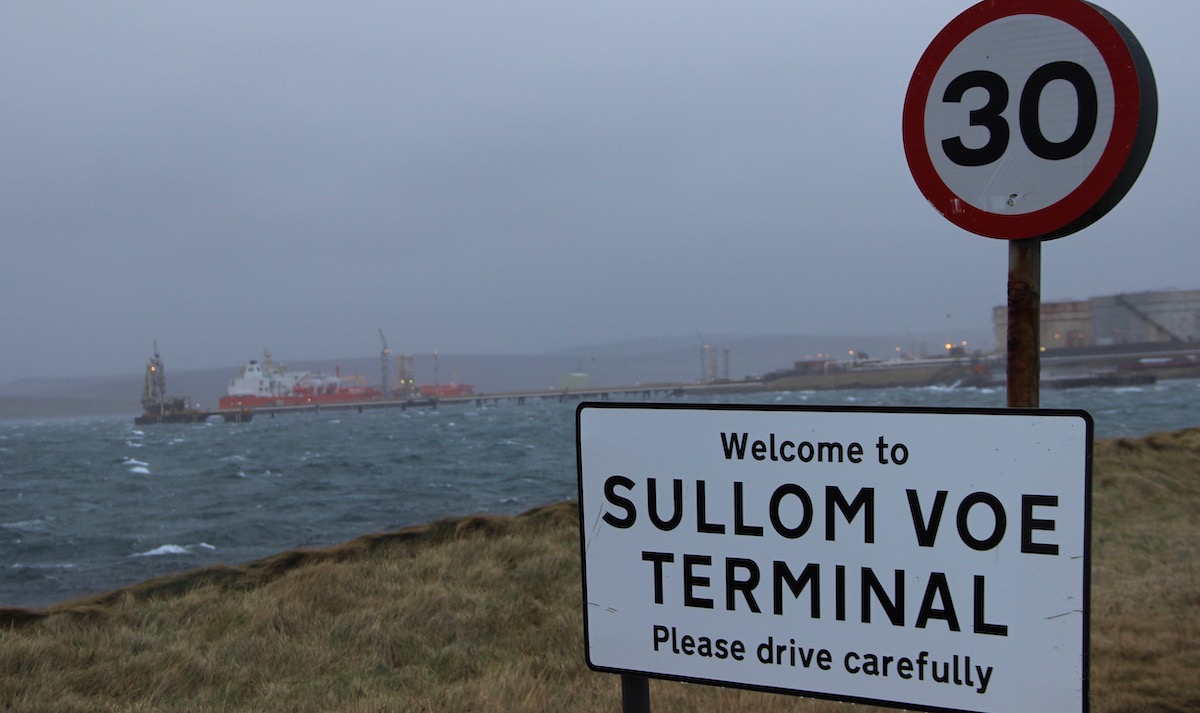
MORE THAN 400 jobs could be lost across the Shetland economy by 2050 if no action is taken to transition Sullom Voe Terminal (SVT) to low-carbon fuels.
That is the bleak outlook from the University of Strathclyde’s Centre for Energy Policy (CEP), which has claimed Shetland’s economy could also lose £30 million per year.
The CEP has urged backing to be given to Veri Energy’s phase one of planned low-carbon fuel production at Sullom Voe – which it says could almost offset all job losses.
Shetland News reported last week that the first phase of the e-fuels proposals would need £300m in investment, with Veri Energy in the process of seeking funding.
However the CEP has painted a dire picture of what Shetland could look like if nothing is done at SVT instead.
It said that inaction would ultimately cost 234 jobs across the Shetland economy in the next 10 years, which could climb to 402 jobs by 2050.





















And it has said that if the proposed extension to the Clair oil field, which sits around 70km west of Shetland, is not allowed to go ahead then almost 250 jobs could be lost by the mid-2030s.
Pointing to the so-called “windfall tax” on oil and gas companies, the CEP said that 80 jobs could be lost at SVT from 2036 if these were allowed to continue.
“A short-term boost could be delivered if the Clair oil field is extended but, even in that scenario, 340 jobs are at risk across the Shetland economy,” it said.
The CEP said the message from its analysis was “clear” – if nothing was done to transition SVT away from oil and gas then the effect on Shetland “will extend well beyond the terminal gates”.
“There are multiple reasons why the need for early planning and investment in new low-carbon fuel production and other replacement activity at SVT (which could also include extending Scotland’s carbon capture and storage capacity) is becoming increasingly urgent,” it said.
Become a member of Shetland News
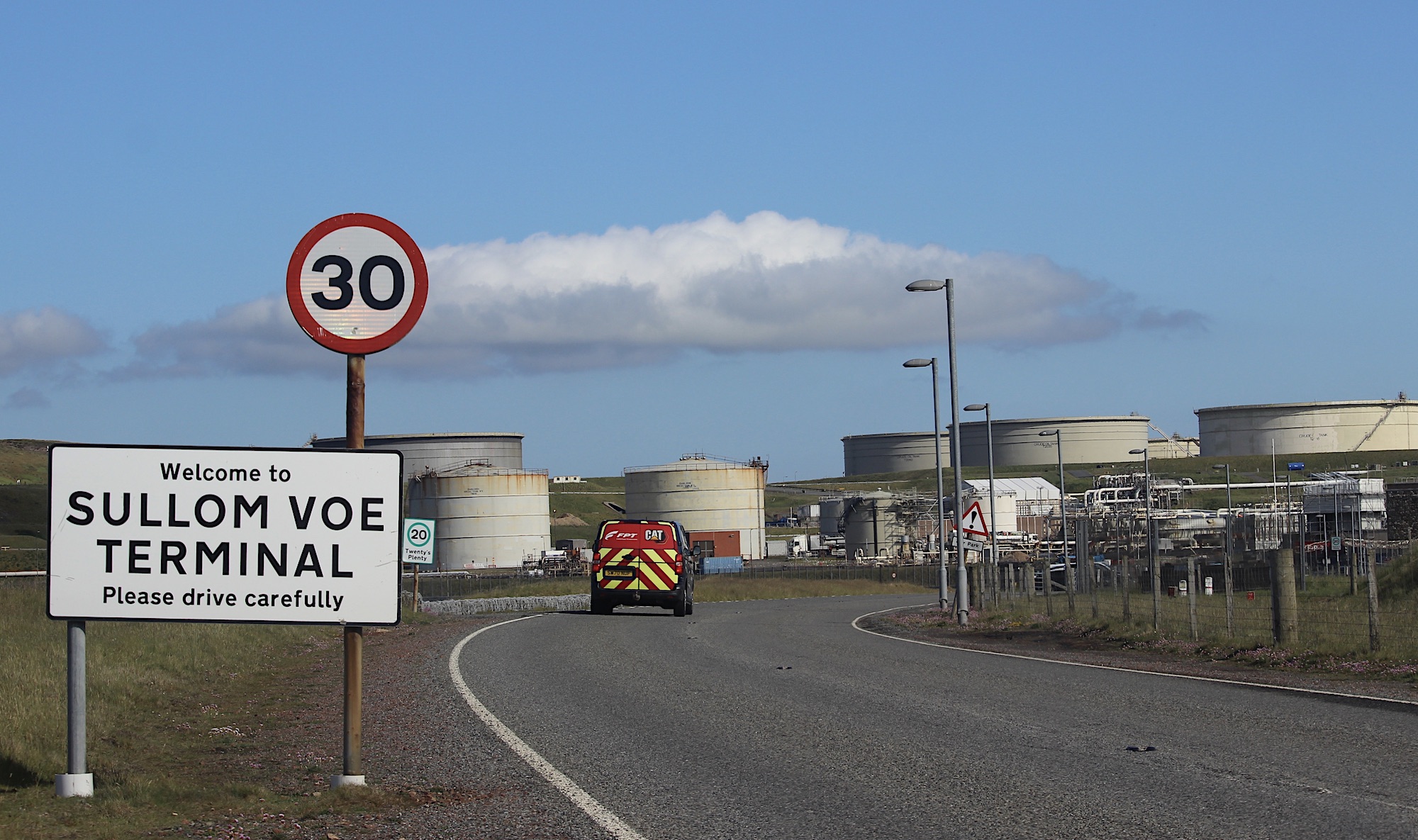
“If we are to avoid another Grangemouth or Mossmorran, in a highly vulnerable remote island community, early action to ensure a commercially viable transition to e-fuel and other low-carbon activities at SVT is becoming increasingly critical.”
In its analysis, the CEP said that Veri Energy’s low-carbon fuel production plans at Sullom Voe offer a “clear view of the potential future” for the terminal.
Developer Veri Energy wants to produce e-fuels on an industrial scale for domestic use and export to “help reduce emissions across the transport sector worldwide”.
Described as more environmentally friendly than traditional fuels, e-fuels are produced with the help of electricity from renewable energy sources, water and CO2 from the air.
Veri previously revealed plans to create a 50MW plant powered by “local wind”.
The CEP said that the first phase of low-carbon fuels production at SVT could provide a “strong backbone for Shetland’s transition”, with net local GRDP gains of between £2.8m and £6m.
“Early action on a transition to low-carbon fuel production at SVT would save up to 350 jobs across Shetland in the 2030s and would limit long-term job losses to a maximum of 55,” it said.
“Our results show that this one development could be sufficient to largely, if not entirely, mitigate the total job losses across the Shetland economy and has strong potential to deliver net positive impacts on Shetland’s overall economic performance and the GRDP that it generates.”
It has stressed there needs to be an “early shift” and transition from oil and gas, but said it could become “an essential resource if the Shetland economy is to transition to a sustainable and prosperous future”.
Veri has been working with a range of partners on the project, including Neshion Limited – which is planning a wind farm and battery storage park next to SVT.
A memorandum of understanding was agreed between Veri and Neshion last year, which is focused on how energy from the park could be used to supply a low carbon fuel plant at SVT.
A listing on an investment website for government agency Scottish Development International confirmed that the e-fuels scheme would involve “private-wire” power, meaning Neshion would not need to wait for a connection to the electricity grid.
Become a member of Shetland News
Shetland News is asking its readers to consider paying for membership to get additional perks:
- Removal of third-party ads;
- Bookmark posts to read later;
- Exclusive curated weekly newsletter;
- Hide membership messages;
- Comments open for discussion.
If you appreciate what we do and feel strongly about impartial local journalism, then please become a member of Shetland News by either making a single payment, or setting up a monthly, quarterly or yearly subscription.