

Health / NHS issues advice on protecting community against measles

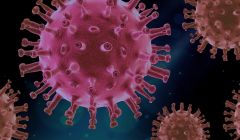
THE NHS has highlighted the importance of vaccination against measles amid higher rates in other parts of the UK and overseas compared to Scotland.
While there have been no recent cases of measles in Shetland, NHS Shetland said measles is “highly contagious, and even a small drop in vaccination uptake can lead to rapid spread of the infection”.
The measles virus spreads through the air when people with the virus cough or sneeze.
It can cause serious health complications, like pneumonia and inflammation of the brain. In very serious cases, measles can be life-threatening.
NHS Shetland’s director of public health Dr Susan Laidlaw said: “The best way to protect our Shetland community against measles is to have a high uptake of measles vaccine, either as MMR or the new MMRV (Measles, Mumps, Rubella, and Varicella (chickenpox) vaccine, which was introduced this year for young children.
“This not only protects the individuals who have been vaccinated but also protects babies and people who are unable to have the MMR or MMRV vaccine, such as pregnant women and those with a weakened immune system.






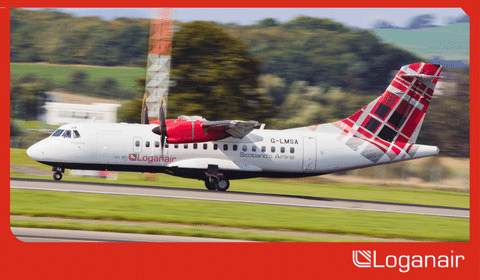














“It’s important you’ve had the two doses of the MMR (or MMRV) vaccine before travelling outside Shetland. The vaccinations are safe, effective, and the MMR vaccine can be given to older children and adults if they did not have it when they were younger.
“If you are unsure if you, or your child, have had two doses of the MMR (or MMRV vaccine), you can contact your GP practice to check.
“Your GP practice may be able to give you the vaccines if you need them, or you can contact the vaccination team on 01595 743319 or email shet.vaccination-team@nhs.scot. If you have missed any appointments, don’t worry, please get in touch to arrange another.”
Become a member of Shetland News
The NHS added that the symptoms associated with measles, such as a runny nose, fever and rash, are more likely to be caused by other more common bugs, especially in children and if there has been no travel to places that have measles cases.
There is information on the NHS Inform website about many other causes of skin rashes in children, including which signs could indicate serious illness and when and how to get medical help.
The measles rash looks brown or red on white skin, but on darker skin tones the redness may be harder to see, or it may appear purple or darker than surrounding skin.
Anyone concerned that they or their child may have measles, or anyone who is are pregnant or have a weakened immune system and have been in contact with someone with measles, is asked to follow the guidance on the NHS Inform website, which includes when to seek urgent medical advice.
Become a member of Shetland News
Shetland News is asking its readers to consider paying for membership to get additional perks:
- Removal of third-party ads;
- Bookmark posts to read later;
- Exclusive curated weekly newsletter;
- Hide membership messages;
- Comments open for discussion.
If you appreciate what we do and feel strongly about impartial local journalism, then please become a member of Shetland News by either making a single payment, or setting up a monthly, quarterly or yearly subscription.