

News / ‘Chancing their luck’ – complaints about lack of compensation from Vodafone for broadband outages
Company claims Shetlanders now have to phone them to get payment

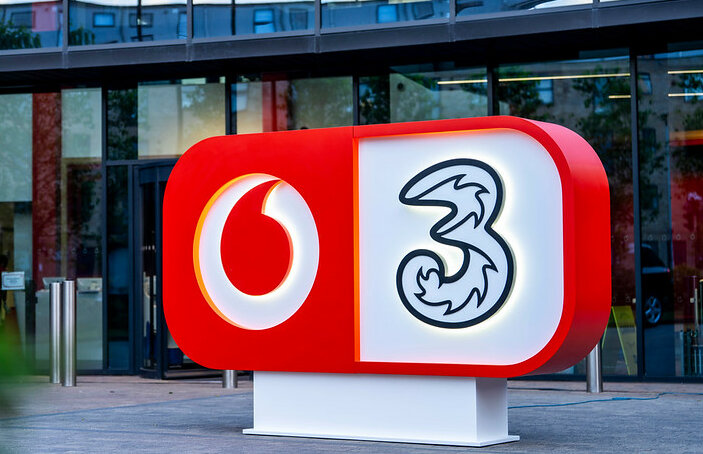
VODAFONE has told its Shetland customers they will have to call to claim compensation for October’s internet outage – despite Ofcom saying payment should be automatic.
A number of Shetland customers who were left without broadband during October’s lengthy outage have reported they have still not been paid compensation for the lack of service.
Despite a number of providers – including Vodafone – being signed up to an Ofcom automatic compensation scheme, the company has now said people in Shetland will have to speak to them if they want their money to be paid.
Asked by Shetland News if the company had finished paying all of its customers in Shetland for the October outage, Vodafone insisted people would have to phone first.
“I can confirm customers in the Shetland area will need to call 191 to discuss compensation for outages,” a Vodafone spokesperson said.
Providers such as Vodafone, Sky, TalkTalk and Utility Warehouse – the four companies worst affected by the broadband outage in October – are signed up to Ofcom’s automatic compensation scheme.


The scheme means that broadband customers should get money back from their provider within 30 days of the outage, without having to ask for it.
But a number of Shetlanders have reported that they are still without payment, almost two months after the damaged Shefa-2 subsea cable was repaired.
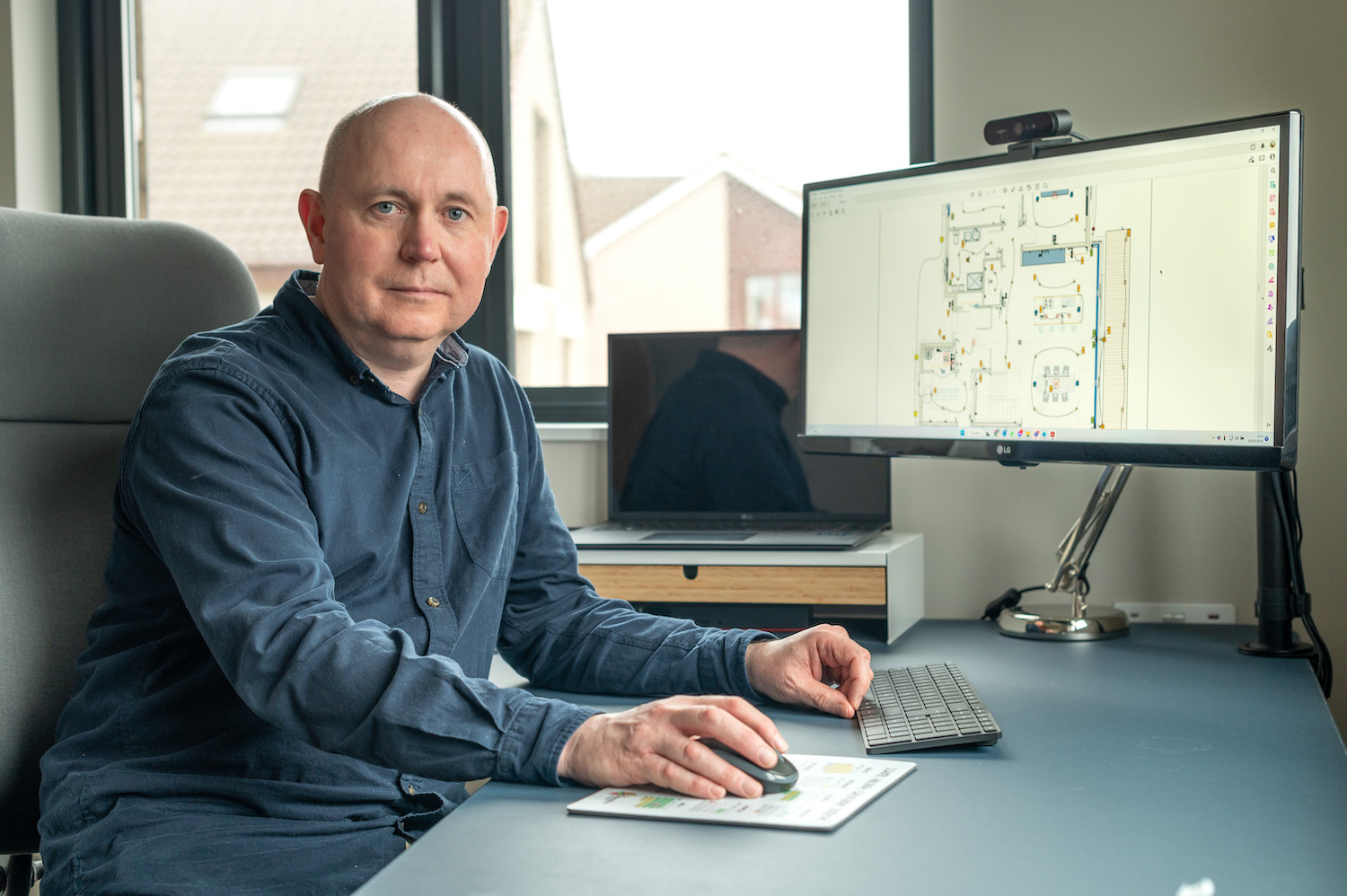
Justin Rhodes successfully secured a payment of over £600 from Vodafone on Sunday night – but only after filing a complaint with the company.
Rhodes said Vodafone “weren’t going to pay anything as far as I could see”, and when he raised the complaint, they “argued over everything”.
Without his complaint the compensation “definitely wouldn’t have been paid”, he claimed.
“I think they’re just chancing their luck that people won’t get in touch with them,” Rhodes said.
Become a member of Shetland News
Ofcom says that compensation should come in the form of a credit on your next bill, and should be paid within 30 calendar days of an outage being resolved.
“If your broadband or landline service stops working, you will simply have to report the fault to your provider,” it says.
If the service is not fixed after two full working days, you would not need to ask for compensation or contact your provider again, as your provider has systems in place that mean you will start receiving compensation automatically if the repair takes too long.
“You will receive an initial £9.98 if the service is not fixed two full working days after you report it, and then £9.98 for each full day it is still not fixed after that.”
The scheme requires companies such as Vodafone and Sky to pay customers automatically even when it is an event outside their control, such as “extreme weather”.

















October’s near-month long outage was caused by weather-related damage to the Shefa-2 subsea cable.
Rhodes said they had two broadband lines and were paying for a 4G back-up, all with Vodafone, to ensure his household were able to work from home.
However after July’s broadband outage they found that the 4G back-up did not even work because of Lerwick’s poor connectivity.
At the end of September their internet again went down, just before the Shefa-2 cable disruption began.
Rhodes spoke to Vodafone during October and was reassured that he would be automatically compensated once the issue was resolved.
But after receiving his December bill last week without any compensation, he decided to raise a complaint with the company.
“They told me that the service was repaired initially and that they wouldn’t pay for that, but I said ‘it never was repaired’,” he told Shetland News.
“Then they said they weren’t going to pay the final day of disruption.
“I said, ‘really, you’re going to argue over £9.98?’
“They argued literally every time about what they would and wouldn’t pay.”
Rhodes said Vodafone also tried to claim that his service was restored two days earlier than it actually came back online.
He called it “very poor behaviour” from Vodafone, which he accused of attempting not to pay and then incorrectly trying to negotiate down the level of compensation.
Eventually Vodafone agreed to pay him £618.76 for the outages across the two lines, with Rhodes adding they had donated the money to local charities.
He has since switched over to the more expensive but satellite-dependent Starlink service, which has signed up a number of Shetlanders in the wake of the outages.
“It’s a relief not to have to go to the neighbour’s house just to ask if we can use their internet,” he added.
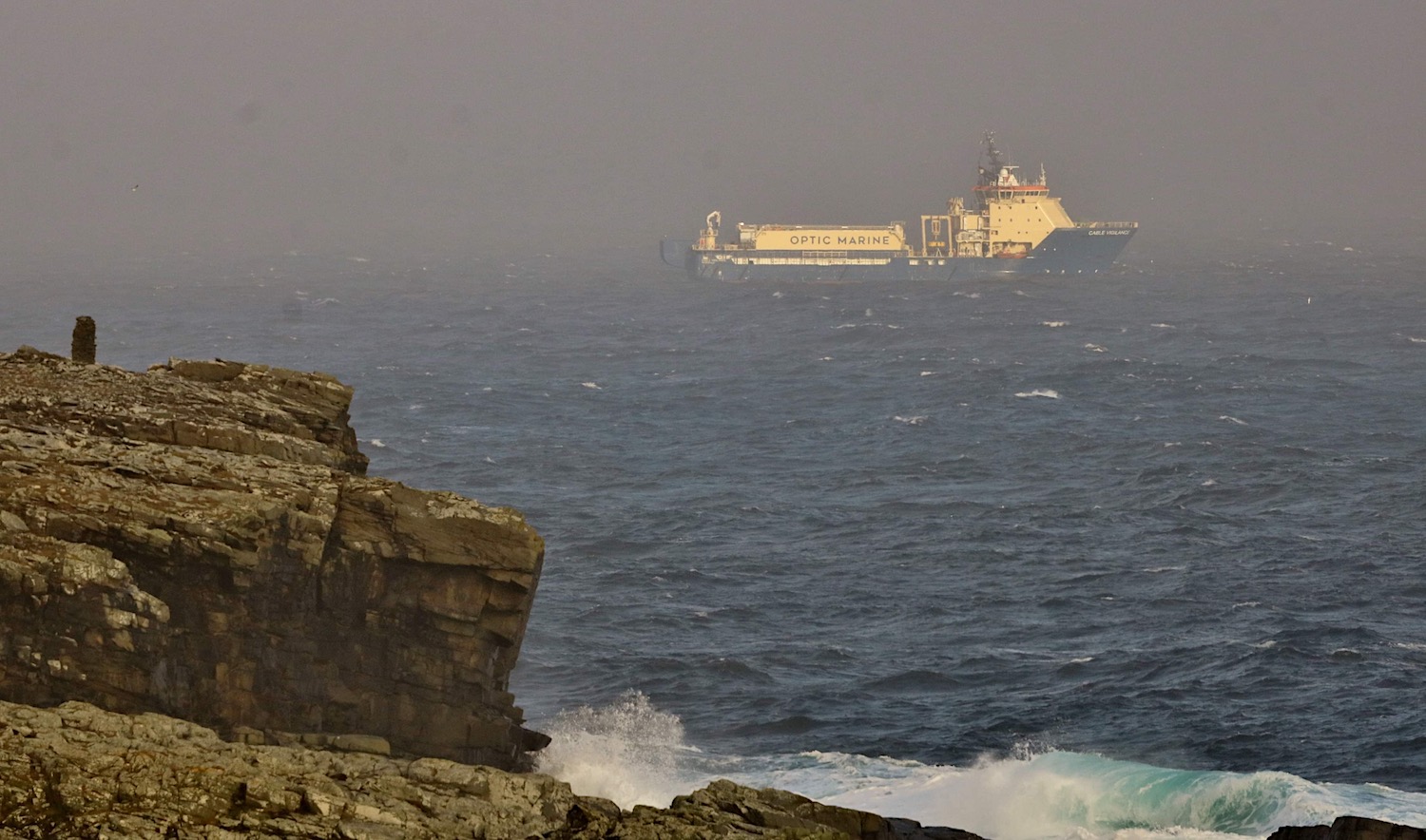
The outage mainly affected Vodafone, Sky, TalkTalk and Utility Warehouse customers, and was first reported on Friday 3 October before the Shefa-2 cable was fully fixed on 28 October.
James Waring, VodafoneThree’s government affairs manager, said last month the company had been able to offer Shetland customers “the compensation they are entitled to”.
He added they had, in some cases, “also made gestures of goodwill on top of that.”
Become a member of Shetland News
Shetland News is asking its readers to consider paying for membership to get additional perks:
- Removal of third-party ads;
- Bookmark posts to read later;
- Exclusive curated weekly newsletter;
- Hide membership messages;
- Comments open for discussion.
If you appreciate what we do and feel strongly about impartial local journalism, then please become a member of Shetland News by either making a single payment, or setting up a monthly, quarterly or yearly subscription.