

History / UK and Norway combine for ‘Lunna House’ navy agreement

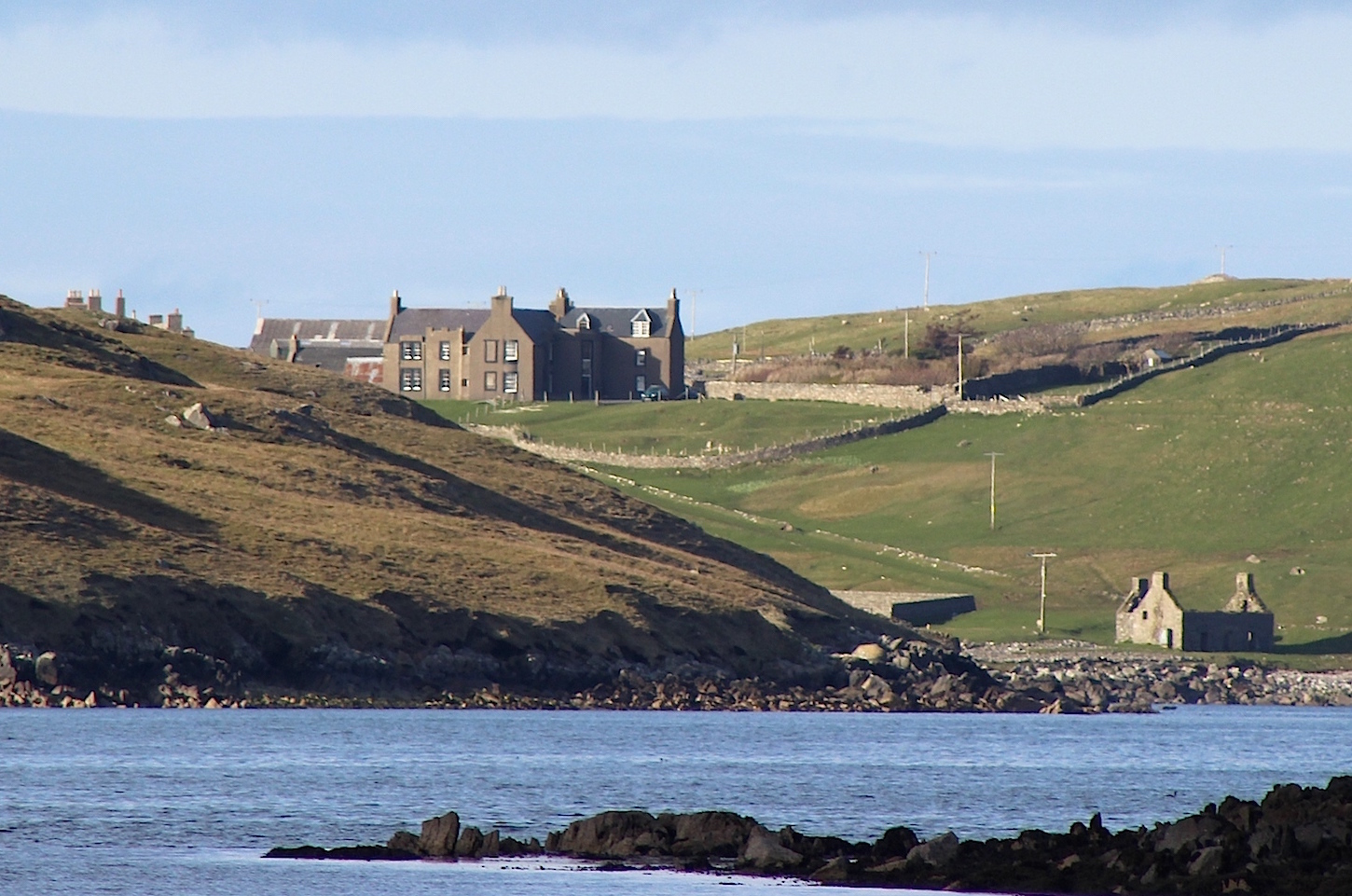
A NEW navy agreement between the UK and Norway has been named after a well-known and historic building in Shetland.
The new Lunna House Agreement will see the UK and Norway navies operate interchangeable fleet of new, British-built Type-26 frigates.
The ships will patrol the “strategically vital” gap between Greenland, Iceland and the UK, monitoring Russian naval activity and defending critical infrastructure such as underwater cables and pipelines.
The UK Government said this follows a “30 per cent increase in Russian vessels threatening UK waters in the past two years”.
The new joint fleet of frigates comes as part of a £10 billion deal between the UK and Norway, which is said to support 4,000 British jobs.
The B-listed Lunna House, located near Vidlin and built in the 17th Century, was used as the operational base for the Shetland Bus operation in World War II, before moving to Scalloway in 1942.



The operation played a vital role in the resistance against the occupation of Norway by Nazi-Germany by transporting resistance fighters, agents and refugees across the sea between Shetland and Norway.
It first operated using fishing boats, but not all of those trips were successful, and 44 lives were lost during the crossings. However, the introduction of sub-chaser ships in 1943 brought an end to the fatalities.
These days the wartime operation is highlighted as an example of the shared and strong connection between Shetland and Norway.
In 2001 the Erwood family bought Lunna House, where their ESPL Regulatory Consulting business is based.
They confirmed they were briefed about the decision to name the agreement after their home prior to it being announced.
Become a member of Shetland News
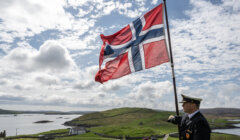
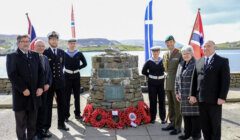
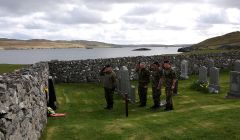
This included a convoy of historic boats – some of which took part in the Shetland Bus operation – travelling from Norway to Shetland.
The photo below shows the Andholmen returning to her roots as she visited Lunna.
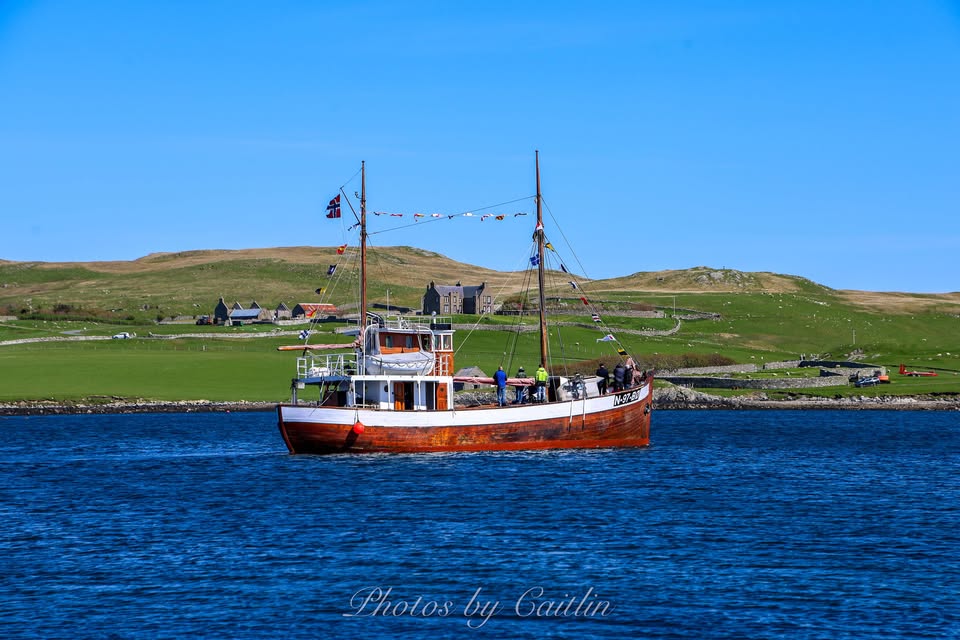
Photo by Caitlin
Meanwhile commenting on the Lunna House Agreement, prime minister Sir Keir Starmer said: “At this time of profound global instability, as more Russian ships are being detected in our waters, we must work with international partners to protect our national security.




















“This historic agreement with Norway strengthens our ability to protect our borders and the critical infrastructure our nations depend on.
“Through joint navy cooperation in the North Atlantic, we’re boosting security, supporting thousands of UK jobs, and showcasing Britain’s world-class shipbuilding on the global stage.”
The agreement will also see:
• UK joining a Norwegian programme to develop motherships for uncrewed mine hunting and undersea warfare systems.
• Year-round training of Royal Marines in Norway, preparing them to fight in sub-zero conditions.
• Royal Navy adopting advanced Norwegian naval strike missiles.
• Deeper collaboration on Sting Ray torpedoes, helping to boost munitions stockpiles.
• Joint wargaming between our Armed Forces.
• UK and Norway leading NATO’s adoption of autonomous systems in the High North.
Become a member of Shetland News
Shetland News is asking its readers to consider paying for membership to get additional perks:
- Removal of third-party ads;
- Bookmark posts to read later;
- Exclusive curated weekly newsletter;
- Hide membership messages;
- Comments open for discussion.
If you appreciate what we do and feel strongly about impartial local journalism, then please become a member of Shetland News by either making a single payment, or setting up a monthly, quarterly or yearly subscription.