Infrared cameras help to monitor Mousa petrels

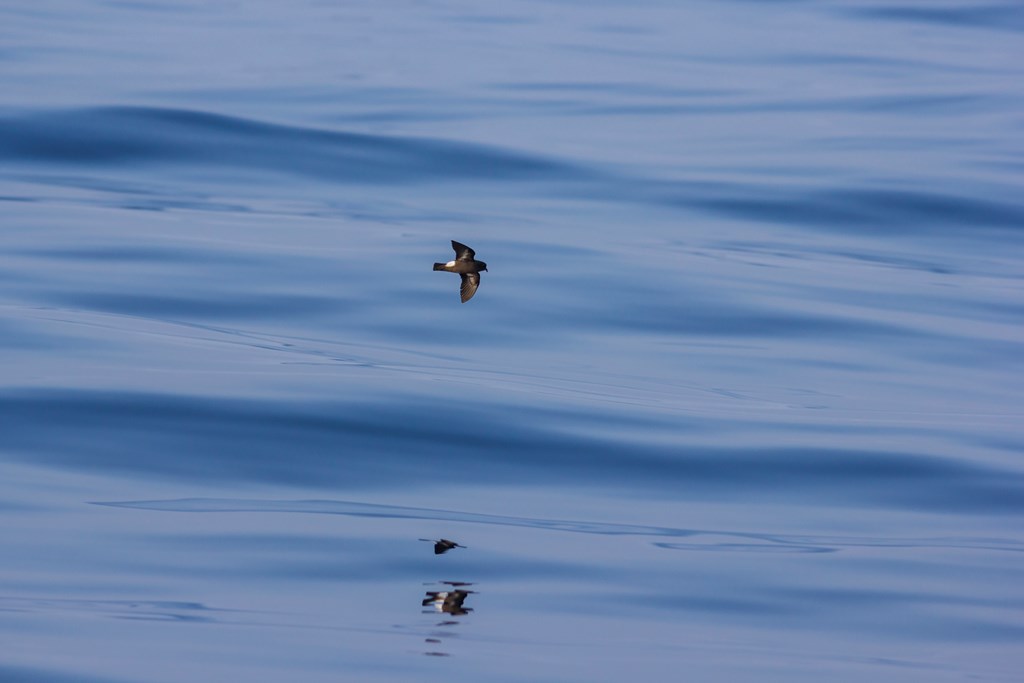
A STUDY into whether infrared cameras can be used to survey storm petrels on the island of Mousa has come back with positive results.
The research was undertaken by two RSPB scientists who spent ten weeks on the uninhabited island back in 2014.
Mousa has the largest colony of storm petrels in the UK, but detecting their numbers has been difficult because they only come ashore in the darkness after feeding at sea.
Playback surveys are used at the moment, which involves playing a recording of the ‘purring’ song at potential nest sites and listening out for a response.
During the new research, infrared cameras were set up to film the birds leaving and entering their nest sites, with over 200 hours of footage attained.
The results showed that the infrared method was an “accurate and effective” way of recording census details, although it didn’t work as well in areas with drystone walls – while poor weather also had a negative impact on image quality.
Allan Perkins, a senior conservation scientist for RSPB Scotland who led the research, said a total of 2,064 entries and exits were recorded.
“Storm petrels are notoriously difficult to census due to their nocturnal, burrow-nesting lifestyle, so testing this new method and showing that it does indeed work in certain situations is a big step forward,” he said.
“In particular, it will allow surveyors to safely count storm petrels from a distance at sites that are too dangerous for conventional playback transect methods, such as steep scree slopes above cliffs.
“This could allow many previously unsurveyed breeding areas to be counted in future, thereby improving the precision of colony size estimates and make population trends easier to detect.”
The RSPB, however, said that the cost and size of equipment used in infrared filming means it is unlikely to become the norm anytime soon.
The study was published in the ornithological journal Ibis and the results will help to inform storm petrel surveys in a new count of seabirds in Britain and Ireland, which follows up the last survey in 2000.
Keep Shetland’s news open to everyone
Your membership helps us report the stories that matter to Shetland — and keep them free for everyone to read.