Biologist in isles visit

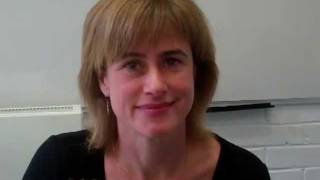
A SENIOR biologist from Edinburgh University will be visiting Shetland schools later this week before delivering a public lecture on the subject of “epigenetics” in Lerwick on Saturday night.
Shetland Science Outreach Group, with the help of funding from the British Science Association, will be hosting Dr Heather McQueen for four days beginning on Thursday.
She will speak to standard grade, higher and advanced higher publics at the Anderson High School, Brae High School and Sandwick and Aith junior highs about genetic engineering.
Her public lecture, at the Shetland Museum on Saturday will cover epigenetics, a subject which has only emerged over the last 20 years.
McQueen will explain the concept of epigenetics and given an overview of the mechanisms involved.
It will highlight some common everyday examples of epigenetics at work, such as the tortoiseshell cat, and also look at less common examples of epigenetics gone wrong.
She will ask if epigenetics provides a route for the environment to affect our genes, and look briefly at the increasingly popular idea that events in our lives might affect the epigenetics of our unborn descendants.
Finally she will describe some novel and exciting ways in which our knowledge of epigenetics might provide hope for new treatment of some diseases.
Dr McQueen has published numerous articles in Genetics Society News, Biochemistry and Molecular Biology Education, Chromosome Research and the pre-eminent science magazine Nature.
Speaking ahead of the visit, she told Shetland News that epigenetic marks on people’s DNA were associated with “changing how our genes are expressed”.
“These marks are really important for our healthy growth and development, and they’re important for our cell function,” Dr McQueen said. “They’re like a memory – they help the cells to remember what they’re meant to be doing.”
The tortoiseshell cat, she said, was an example where epigenetics “are controlling where the colours of the coat are expressed in the body – switching the orange gene on or off”.
Help keep Shetland’s news open to everyone

Good local journalism takes time, care and people on the ground. Membership helps us keep reporting the stories that matter to Shetland — and keep them free for everyone to read. Members get a weekly newsletter created especially for them, local ads only, and can bookmark stories and join the conversation in the comments.
She will be speaking to school pupils about genetic engineering, but “not as we normally think about it, but about what goes on in the research lab, and how commonplace it is”.
“I am hoping that in both the school workshops and in the lecture, I’ll be able to explain the phenomena in such a way that anybody should be able to understand it.”
She added: “There’s a fashionable idea at the moment that epigenetics is perhaps something to fear, because it’s some way in which the way that we live can affect our offspring.
“I’ll be discussing some of the evidence, and lack of evidence, for that. I’ll be explaining my view of this fashion, that I’m not convinced, and I’ll be explaining why.”
Keep Shetland’s news open to everyone
Your membership helps us report the stories that matter to Shetland — and keep them free for everyone to read.