Shetland hazelnuts – a long time coming

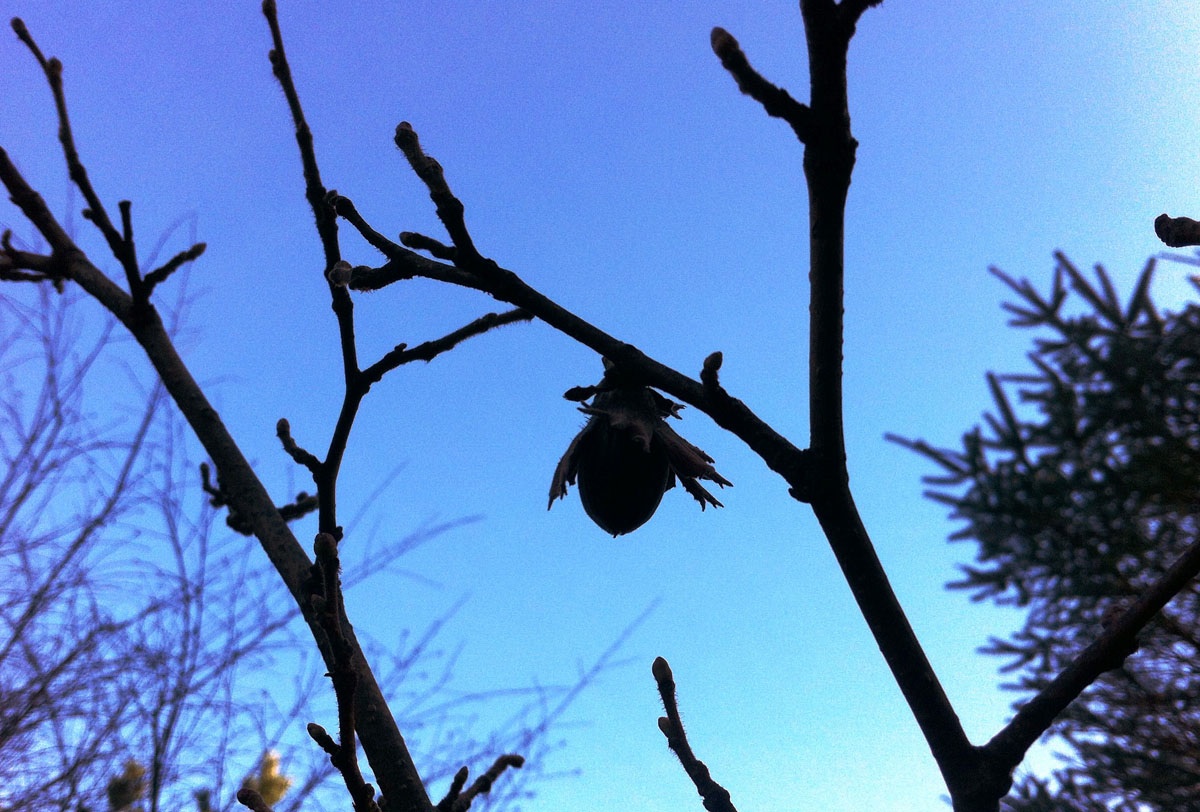
A HANDFUL of ripe hazelnuts found in a small Shetland woodland are believed to be the first that have ripened in the isles for 4,500 years.
The nuts were found on a cluster of about two dozen hazel trees in the Loch of Voe community woodland, which were planted around 15 years ago from seeds sourced in Torridon.
The isles’ woodland project officer James Mackenzie said he would not have expected hazelnuts to grow in Shetland’s harsh conditions, but discounted climate change as a cause.
“The fact that these hazels are in a sheltered spot, will mean that they are in a warmer microclimate than the Lerwick Observatory, where temperature records are taken,” he said.
“Considering it was a pretty cold last year I think it’s more down to local than global conditions.”
Scandinavian experts have suggested that hazel trees need a temperature of 11 to 12°C in August and September, while Shetland averages just below that at 10.5°C.

























“In a sheltered location temperatures can rise a bit higher and at Voe they are surrounded by conifers and birch and face south east so they get a fair bit of sun,” Mackenzie said.
He asked to hear if any fellow islanders had managed to grow hazelnuts outdoors.
“We do know that nuts have been found buried in peat, coincidentally also near Voe, and that hazel was probably widespread in Shetland between about 9,000 and 4,500 years ago.
“If it turns out that these few nuts are the first recorded ripe ones since that time, then it seems a quite remarkable event – and could guarantee the future of hazel in Shetland as a woodland and garden shrub with several useful purposes.”
Shetland has two indigenous hazels still growing in the wild at Catfirth, South Nesting and at Punds Water in Northmavine.
Mackenzie added that neither of these trees have fruited, which was not surprising as they are too far apart and hazels do not self-fertilise.
Keep Shetland’s news open to everyone
Your membership helps us report the stories that matter to Shetland — and keep them free for everyone to read.