
Skerries rat extermination being considered as offshore wind farm bird compensation scheme

A PLANNED large offshore wind farm to the east of northern England has a link to Shetland – through a potential rat extermination and seabird restoration scheme in Skerries.
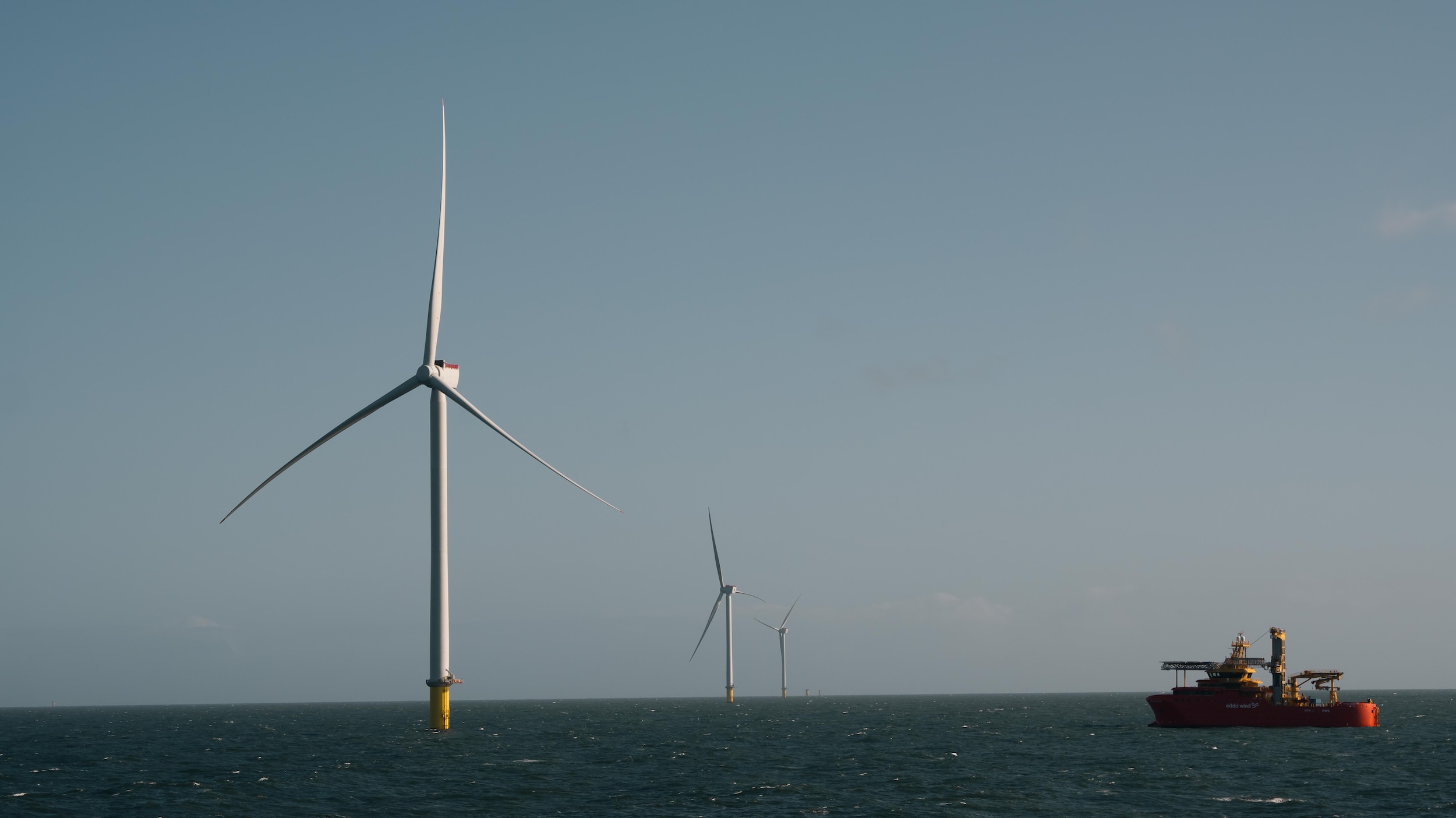
Removing rats in Out Skerries is viewed as a way of compensating for the impact the 3GW Dogger Bank South offshore wind farm could have on guillemots, and razorbill.
The thinking is that getting rid of predators like rats would help seabird colonies to recover, thereby compensating for the potential displacement of birds which could come with operating the wind farm.
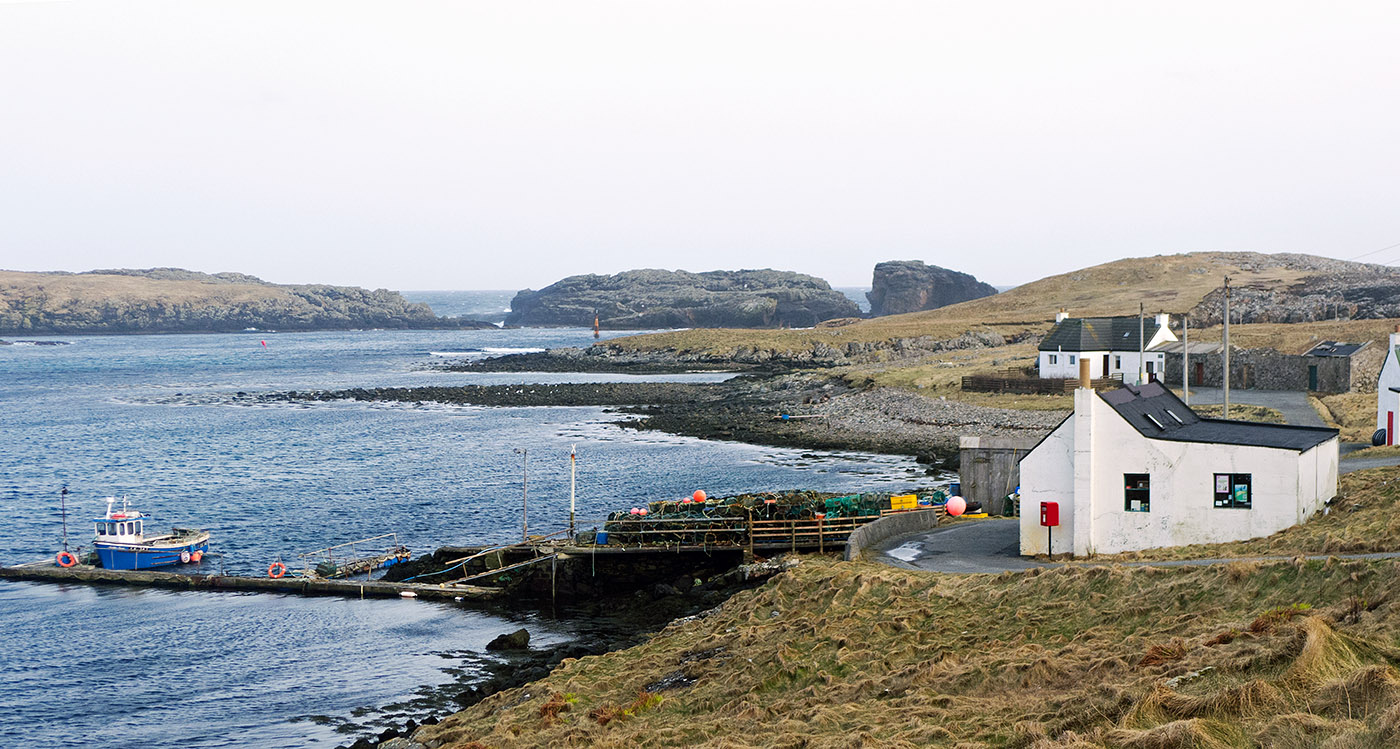
Skerries, the group of a few islands off the east of mainland Shetland with a population of around 30, has been shortlisted as a possible site for the scheme.
The RSPB’s Shetland manager Helen Moncrieff said assessing whether the Skerries plan will benefit guillemot and razorbill will “take time, and we look forward to seeing the evidence”.
Skerries is one of two sites under consideration by developer RWE, in addition to one in the Outer Hebrides, and no final decision has yet been made.























A letter shows that the landowner of Skerries is supportive of the project, while the chair of the island’s community council Paul James said local people also back the scheme.
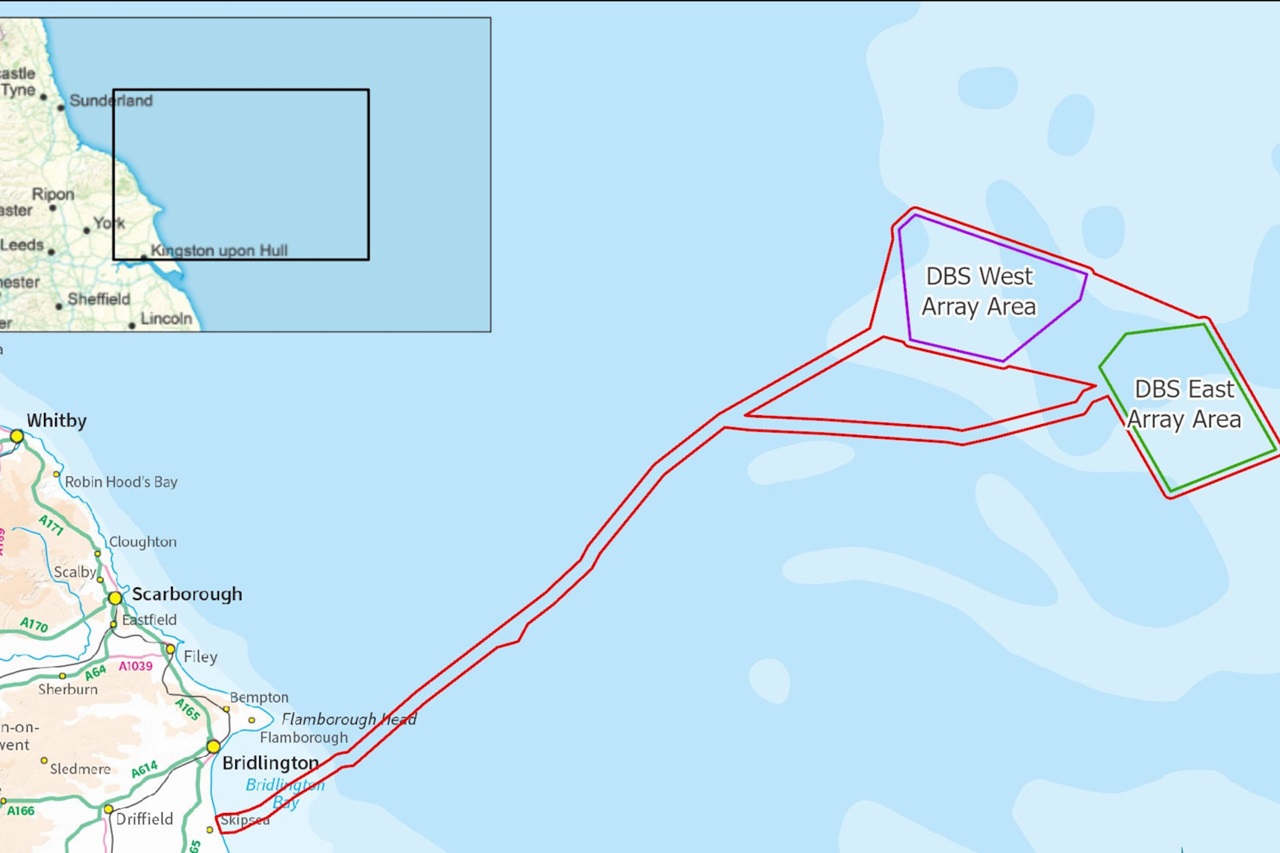
Dogger Bank South – which comprises of two 1.5GW wind farms around 100km off the North East of England – was given planning approval earlier this year, and a guillemot and razorbill ‘compensation’ scheme is part of the thinking.
Documents show the stated aim is to “remove invasive mammalian predators” from an island group to “enable seabird populations, primarily guillemot and razorbill to recover in a predator-free environment”.
“Removal of predators will increase the amount of safe habitat available allowing colonies to grow, and will result in increased colony productivity due to reduced chick and egg losses,” they add.
Help keep Shetland’s news open to everyone

Good local journalism takes time, care and people on the ground. Membership helps us keep reporting the stories that matter to Shetland — and keep them free for everyone to read. Members get a weekly newsletter created especially for them, local ads only, and can bookmark stories and join the conversation in the comments.
It is expected any scheme would involve “rodenticide baited traps”, although consideration will be given to the use of non-toxic lethal traps.
An RWE spokesperson on behalf of the Dogger Bank South projects told Shetland News: “We are working with specialist restoration ecologists to develop a rat-eradication programme that will help protect and enhance nesting habitat for guillemots on an island site.
“The Skerries is a highly promising potential location.
“We are engaging with landowners and progressing plans for further ecological surveys before confirming the final site for the programme.”
The frequency of sightings of rats vary – minutes from a Skerries Community Council meeting in January last year said, at that point, the issue of rats was like an “infestation” with the rodents said to be “everywhere”.
RWE said it formally recorded presence of rats in Skerries during a study in late September and early October last year, with thermal camera enabled drone flights and “lethal trapping” used.
A seabird survey was also carried out in July 2025, although this recorded no nesting common guillemots or razorbills.
A report from RWE said: “Due to the relatively late July timing of the survey, it is unclear whether this was due to absence or the chicks had fledged already. However, there were many groups of auks observed feeding close to the islands amongst puffins.”
In a planning submission RWE explained that an adverse effect on the integrity of a special protection area on the English coast and guillemots “can be ruled out”.
Displacement though is a risk when factoring in other consented offshore wind farm projects, including Hornsea Four.
It said for razorbills, adverse impacts on the special protection area can also be ruled out – but it had acknowledged that the government “may not agree with this conclusion”, hence why the bird is also included in compensation measures.
Speaking last week, Skerries Community Council chair Paul James said the “whole island is right behind” the proposal.
“Anything that helps to A, keep the rat population down, and B, restore our seabird population [is welcome].”
He said the island has struggled with pest control for a number of years, adding that it needs a “very persistent and coordinated approach” to deal with the issue.
“Everything from access, to the actual bins that we’ve got, [to] the skips down at the harbour. Environmental health tend to treat the public areas, so private areas tend to get left behind.”
James also said rats can swim between Skerries’ two main islands.
“The bird restoration project will be taking care of all that, and they’re talking about putting traps and monitoring stations all over Skerries,” he said.
He said the project, if it comes to fruition, could see monitoring taking place over around 35 years.
Shetland archivist Brian Smith said brown rats were noted in Skerries by naturalists Venables and Venables as far back as the 1950s, and while they did not say where they came from, “it is almost certain, I suppose, that rats must have arrived on islands via boats”.
Smith said rats going ashore from vessels in Lerwick Harbour were mentioned all the way back in 1701.
RSPB’s Shetland manager Moncrieff said offshore wind farms have a “critical role in addressing climate change, but they must be located carefully so that areas important for nature are protected”.
Local RSPB Shetland staff contributed to the written submission for the Skerries proposal, she added.
“Rat eradication and strong biosecurity practices can help seabirds,” Moncrieff said.
“Assessing whether the Out Skerries plan will benefit guillemot and razorbill will take time and we look forward to seeing the evidence.
“It is important that any compensation projects are carefully monitored and assessed so that they can be adapted, or other measures put forward if they are not providing the required compensation.”
However, the wider RSPB said earlier this year that it had concern that there is a lack of evidence of rat predation of guillemots or razorbills in Skerries, and questioned the benefit – or scale of benefit – a scheme might bring to the birds.
It said in a response to government that “given our concerns over the lack of detailed survey work and evidence”, estimates for the number of breeding pairs that could be supported from the proposed scheme should be treated with “utmost caution”.
It also said the “full and long-term support of the local community is essential to any eradication project, both for the initial eradication phase and, more critically, to ensure the sustained effectiveness of the long-term biosecurity measures required”.
The RSPB raised extra concern about the prospect of offshore wind farms closer to home – the Arven and Stoura developments proposed to the east of Skerries.
The charity said that if consented, the projects have the potential to cause displacement to any breeding guillemots and razorbills which rely on the marine area in and adjacent to them for feeding and transit to feeding areas.
The RSPB said “serious account needs to be taken of the potential long-term negative impacts on those species from the proposed offshore wind farms”.
Otherwise, the charity added, there remains a risk that the rat proposal may be “seriously compromised in its ability to achieve the required compensation objectives”.
Dogger Bank South is effectively two projects, each of around 1.5 GW. It was given consent by the UK Government in May.
Based on an estimated combined capacity of 3GW, RWE said the projects could be capable of generating enough electricity to meet the average annual domestic electricity needs of more than three million typical UK homes.
Keep Shetland’s news open to everyone
Your membership helps us report the stories that matter to Shetland — and keep them free for everyone to read.